Dental Implant Bridge Timonium MD: 7 Amazing, Smart Benefits
You’re missing more than one tooth.
And by now, you’ve probably become surprisingly good at hiding it.
You chew on the other side.
You choose foods that won’t cause trouble.
You smile a little differently in photographs.
Maybe you avoid laughing too widely.
Maybe you find yourself thinking about your teeth during conversations when you should be thinking about the person in front of you.
And eventually, you start wondering whether replacing several missing teeth means having an implant placed underneath every single tooth.
It doesn’t always.
For appropriately selected patients, a dental implant bridge Timonium MD treatment can use strategically placed implants to support multiple replacement teeth as one connected restoration.
That can provide a different approach to replacing several adjacent missing teeth.
At Dr. Steven W. Haywood’s Timonium dental practice, implant treatment includes implant bridges, single-tooth implants, front-tooth implants, fixed full-arch implant teeth, and computer-guided implant surgery. The practice describes treatment as personalized around the patient’s needs, comfort, and budget.
If you’re considering replacing several missing teeth, the important question isn’t simply, “How many implants can I get?”
It’s:
“What treatment makes the most sense for my mouth?”
What Is a Dental Implant Bridge?
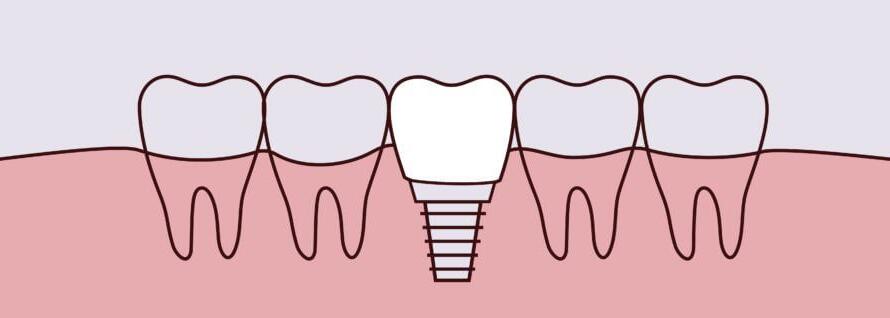
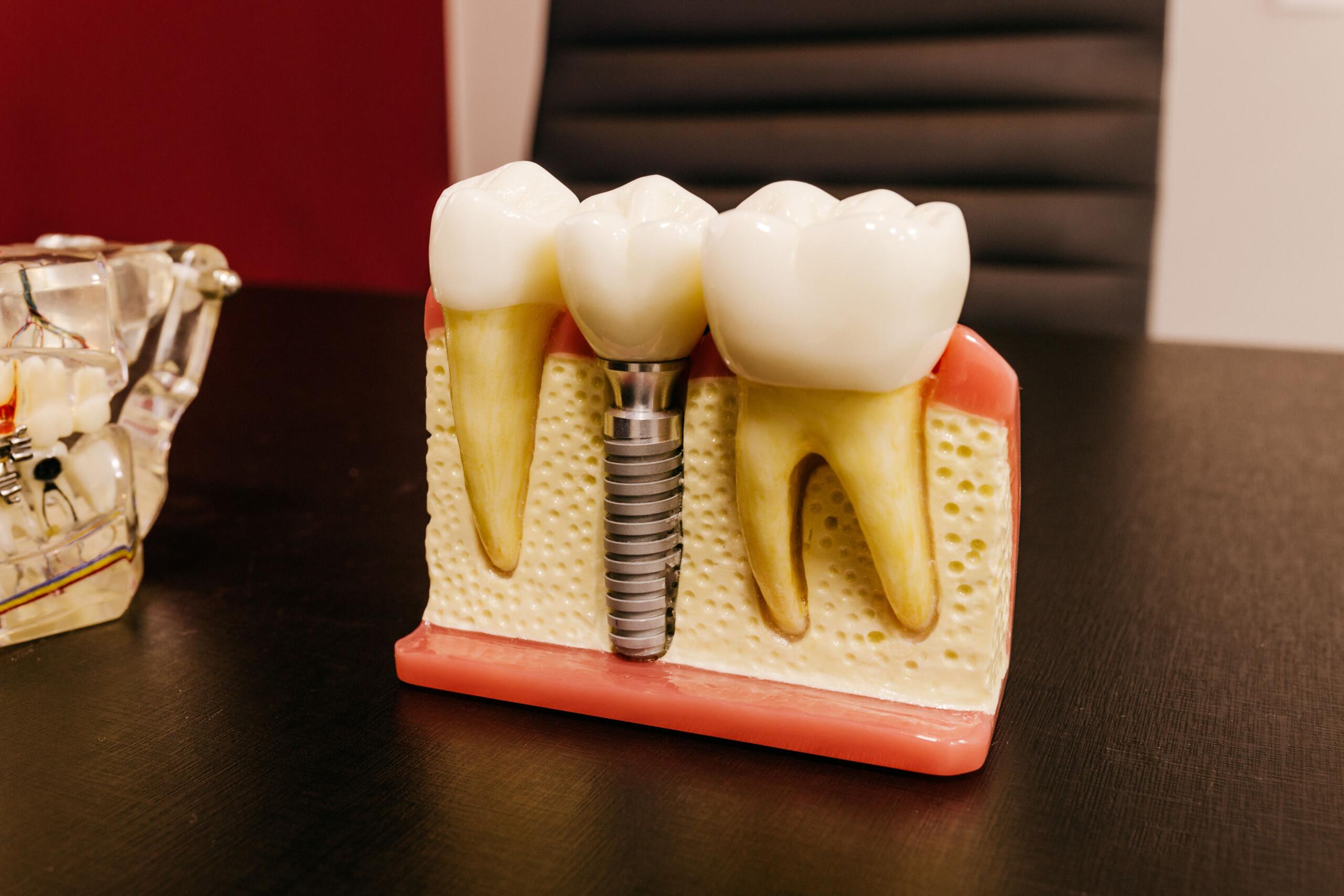
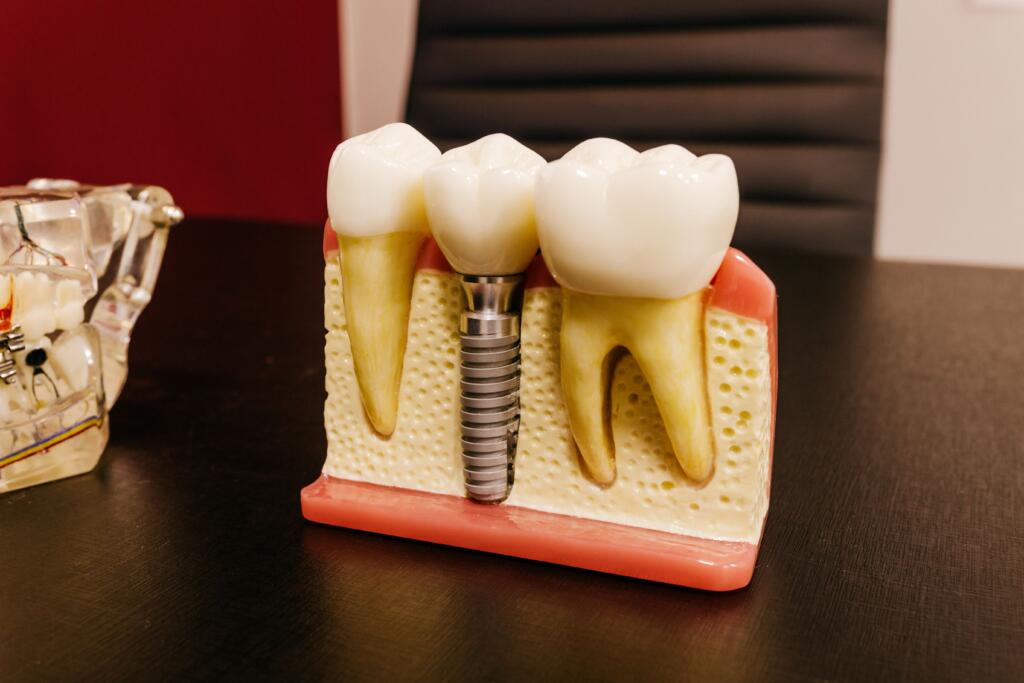
A dental implant bridge is a fixed restoration designed to replace several missing teeth.
Instead of placing an individual implant beneath every missing tooth, two or more implants may be used to support multiple connected replacement teeth, depending on the patient’s anatomy and treatment plan. Flossem’s dedicated implant bridge page specifically describes using two or more implants to replace three or more teeth by joining the replacement teeth together as a bridge.
That’s an important distinction.
Imagine three neighboring teeth are missing.
You might initially assume that means three implants and three separate crowns.
But an implant bridge creates another possibility.
The implants act as support.
The bridge replaces the missing teeth.
And because the teeth are connected, the restoration is designed as a single unit rather than several independent crowns.
This doesn’t mean an implant bridge is automatically better.
It means it may be another option worth discussing.
Why Replace Several Missing Teeth?
Some patients delay treatment because they’ve already adapted.
That’s understandable.
You’ve figured out how to eat.
You’ve gotten used to the space.
You’ve learned which side of your mouth feels more comfortable.
But missing teeth aren’t simply an appearance issue.
They can affect chewing and may allow surrounding teeth to shift over time. Flossem’s conventional bridge information explains that missing teeth can make chewing more difficult and may contribute to movement of the remaining teeth and changes in bite.
That doesn’t mean every missing tooth will create the same complication.
It does mean leaving the situation completely unexamined isn’t necessarily the best long-term strategy.
And for someone missing several adjacent teeth, an implant-supported solution can be worth investigating.
7 Powerful Benefits of a Dental Implant Bridge Timonium MD Patients Should Know
1. You May Not Need an Implant Under Every Missing Tooth
This is probably the first question patients ask.
And it is one of the biggest potential advantages of an implant bridge.
With multiple adjacent missing teeth, strategically placed implants can potentially support a connected bridge rather than requiring an individual implant for each tooth. Flossem specifically describes this approach on its implant bridge service page.
That doesn’t mean fewer implants are always appropriate.
Bone quality matters.
The size of the missing-tooth area matters.
The location matters.
Your bite matters.
The final bridge design matters.
But knowing this option exists can completely change the treatment conversation.
2. It Can Restore a Larger Missing-Tooth Area With a Connected Restoration
A missing-tooth problem covering several neighboring teeth can be awkward to replace individually.
An implant bridge addresses the area as a whole.
The replacement teeth are connected.
That can create a cohesive restoration designed to restore the missing section of your smile.
For patients who want a fixed alternative to living with multiple spaces, that’s an important consideration.
And for someone missing visible front teeth, having the replacement teeth designed as one coordinated restoration can make the aesthetic planning particularly important.
3. It May Offer a More Efficient Implant Strategy
More implants don’t automatically mean better treatment.
The goal is to place the right number of implants in the right positions to support the planned restoration.
Flossem’s implant bridge service explains that an implant bridge can sometimes eliminate the need for additional individual implants and supporting components.
That can make the treatment plan more efficient in appropriately selected cases.
But don’t confuse efficient with cheap.
A lower number of implants doesn’t necessarily mean the final treatment is inexpensive.
It means the treatment may be designed differently.
The entire plan still has to be evaluated.
4. It Can Be an Option When Several Teeth Are Missing in One Area
An implant bridge makes the most sense conceptually when missing teeth are adjacent.
For example, suppose you are missing three teeth next to each other.
That is a very different situation from losing three unrelated teeth in different areas of your mouth.
An implant bridge is designed around a specific span.
Flossem’s service information specifically discusses multiple missing teeth in a defined area, including situations involving several back teeth or several front teeth.
Your dentist can determine whether your missing-tooth pattern makes an implant bridge appropriate.
5. It Can Provide a Fixed Replacement Instead of a Removable Appliance
This matters emotionally.
People who have lived with removable dental appliances often become exhausted by thinking about whether they will move.
They worry about eating in public.
They worry about laughing.
They worry about speaking.
They may become hyper-aware of their teeth.
A fixed implant-supported bridge is secured to implants rather than simply resting on the gums.
For appropriately selected patients, that can offer a different day-to-day experience.
It can mean less mental attention directed toward whether your replacement teeth are staying where they belong.
6. It Allows the Dentist to Plan the Teeth and Implants Together
This is where implant dentistry becomes more sophisticated than simply replacing empty spaces.
The location of the implant affects the final restoration.
The final restoration affects where the implants should ideally be positioned.
The bite matters.
The available bone matters.
The gum tissue matters.
The smile matters.
Flossem offers computer-guided implant surgery, which supports detailed treatment planning based on the patient’s anatomy.
That means the implant isn’t being planned independently of the bridge.
The entire system is being considered together.
7. It Can Be Designed Around Your Actual Smile
Your missing teeth don’t exist in isolation.
The bridge needs to fit the rest of your smile.
That includes tooth shape.
Tooth color.
Gum contours.
Bite.
Facial proportions.
And the visibility of the restoration when you speak and smile.
This becomes especially important for front-tooth cases.
Dr. Haywood’s practice specifically offers front-tooth implants, recognizing that visible tooth replacement involves important aesthetic considerations alongside implant stability.
That’s why an implant bridge shouldn’t be selected simply because it seems efficient.
It should be selected because it can provide an appropriate result for your particular situation.
Who May Be a Candidate for an Implant Bridge?
There isn’t a simple checklist that can tell you whether you’re a candidate without an examination.
But an implant bridge may be worth discussing if you have:
Several adjacent missing teeth
A desire for a fixed tooth replacement
Healthy enough surrounding tissues for implant treatment
Adequate bone—or a treatment plan to address insufficient bone
A bite that can support the proposed restoration
A desire to compare multiple implant options
The practice’s dedicated implant bridge page is specifically aimed at patients missing multiple teeth in one area.
The important thing is that candidacy is determined by your mouth.
Not by a photograph.
Not by an online quiz.
And not by somebody else’s implant story.
What If You Have Bone Loss?
This is where some patients stop before they even make the appointment.
They remember hearing:
“You don’t have enough bone.”
And they assume that means:
“You can’t get implants.”
That’s not necessarily the end of the conversation.
Bone availability is an important consideration in implant treatment, but some patients may require additional treatment such as grafting before implant placement.
Dr. Haywood’s broader implant services include bone and tissue grafting, along with computer-guided implant surgery.
Whether grafting is necessary depends on your individual anatomy.
That’s why imaging matters.
An implant consultation should answer the actual question:
“What does my jaw look like, and what would it take to support the treatment we’re considering?”
What Does the Treatment Process Look Like?
The exact treatment sequence varies.
But an implant bridge generally involves several stages.
Examination and Planning
Your dentist evaluates the missing-tooth area and surrounding structures.
Digital imaging may be used to evaluate the available anatomy and plan implant positioning.
Flossem emphasizes detailed planning and computer-guided implant surgery as part of its implant services.
Implant Placement
The supporting implants are placed according to the treatment plan.
Healing and Integration
The implants need time to heal and integrate with the surrounding bone before the final restoration is completed, depending on the individual treatment.
Final Bridge
Once the implants are ready, the custom bridge is fitted and secured.
The goal isn’t simply to fill the missing space.
The goal is to restore the area as part of your overall bite and smile.
What About an Implant Bridge for Front Teeth?
A front-tooth implant bridge can have additional aesthetic demands.
When you’re missing several teeth toward the front of your mouth, people notice.
You notice.
You may become conscious of the area when you speak.
A smile that used to feel automatic suddenly becomes something you manage.
That makes the design of the final restoration especially important.
The practice offers dedicated front-tooth implant care and discusses the additional considerations involved with the front region of the mouth.
A successful result isn’t simply about making sure the teeth stay in place.
It is about creating replacement teeth that look believable when you smile.
Implant Bridge vs. Individual Implants
This is a conversation worth having with your dentist.
Individual implants may offer one treatment path.
An implant-supported bridge may offer another.
The decision may depend on:
- Number of missing teeth
- Location
- Bone availability
- Soft tissue
- Bite
- Aesthetic requirements
- Final restoration
- Long-term maintenance
Neither approach is universally superior.
An experienced dentist should be able to explain why one option is appropriate for your situation.
The American Academy of Implant Dentistry provides patient education on implant treatment and the importance of individualized implant care.
That’s much more useful than simply hearing:
“Everybody gets implants this way.”
How Do You Clean an Implant Bridge?
An implant bridge requires consistent maintenance.
Because the replacement teeth are connected, you need to clean around and beneath the bridge carefully.
That may involve tools specifically designed for cleaning around implant-supported restorations.
Flossem’s implant bridge information highlights the importance of using a floss threader to clean beneath the bridge and around the restoration.
This is something you should discuss before treatment.
Ask:
How will I clean under the bridge?
What tools will I need?
How often should I have professional maintenance?
Understanding maintenance before treatment helps you make a more informed decision.
How Long Can an Implant Bridge Last?
No dental restoration should be described as indestructible.
Long-term performance depends on several factors.
Your oral hygiene matters.
Your bite matters.
Grinding or clenching may matter.
The quality of the restoration matters.
The health of the surrounding tissues matters.
Routine professional care matters.
Your dentist should explain how to protect the restoration and monitor the implants over time.
Think of an implant bridge as a long-term investment that still requires care—not something you place and then forget about.
What Does a Dental Implant Bridge Cost in Timonium?
This is where online price shopping can become misleading.
There isn’t one universal price for every dental implant bridge Timonium MD patient.
Your cost can depend on:
Number of missing teeth
Number of implants
Type of bridge
Bone or tissue grafting
Surgical complexity
Laboratory work
Existing dental conditions
Final restorative components
That’s why comparing a price from an advertisement to your own treatment can be inaccurate.
Your mouth may require a completely different plan.
Flossem also offers financing through CareCredit and Cherry, allowing patients to discuss financial options as part of treatment planning.
What Questions Should You Ask Before Choosing an Implant Bridge?
Don’t be afraid to ask direct questions.
Ask:
How many teeth can the bridge replace?
How many implants would I need?
Would individual implants be better for my case?
Do I have enough bone?
Will I need grafting?
Can computer-guided implant surgery be used?
What will the final teeth look like?
How do I clean underneath the bridge?
How long will the entire treatment take?
What will the complete investment be?
A good consultation should leave you with more clarity—not more confusion.
What Happens When You Call Dr. Haywood’s Office?
You don’t need to know whether you need an implant bridge.
You don’t need to know how many implants you’ll need.
You don’t need to understand the difference between every restoration.
Call 410-453-9399.
You can simply say:
“I’m missing several teeth next to each other, and I’d like to find out whether an implant bridge is an option for me.”
That’s enough.
The team can help you arrange the appropriate consultation.
You can explain what is bothering you.
You can talk about your concerns.
You can ask about financing.
You can ask what imaging is involved.
And if you’re nervous about dental treatment, say so.
There is no reason to pretend you’re comfortable if you’re not.
Flossem specifically offers sedation dentistry for patients who experience dental anxiety and emphasizes a calm, spa-like environment.
Why the Right Treatment Matters More Than the Most Impressive Treatment
Dental marketing can make every procedure look revolutionary.
A patient sees a dramatic before-and-after and immediately thinks:
“That’s what I need.”
But your mouth is not that person’s mouth.
Your missing teeth aren’t in exactly the same position.
Your bone isn’t identical.
Your bite isn’t identical.
Your smile isn’t identical.
You need a treatment plan that responds to your anatomy and your goals.
That may be an implant bridge.
It may be individual implants.
It may be another implant-supported option.
The point of the consultation is to find out.
Schedule a Dental Implant Bridge Consultation in Timonium, MD
If you’re missing several adjacent teeth and tired of working around the problem, it’s time to get a real answer.
Dr. Steven W. Haywood’s Timonium practice provides implant bridge treatment alongside single-tooth implants, front-tooth implants, full-arch implant solutions, and computer-guided implant surgery.
Call 410-453-9399.
Tell the team you’re interested in a dental implant bridge Timonium MD consultation.
Ask what your options are.
Ask how many implants you may need.
Ask whether grafting is necessary.
Ask what the final restoration could look like.
Ask about financing.
And ask the question that matters most:
“What would you recommend for my mouth—and why?”
You don’t have to decide everything during that first call.
You don’t have to commit to treatment before you understand it.
You just need to take the first step.
Because when several missing teeth have been part of your life for long enough, it’s easy to believe you’ve simply learned to live with them.
Maybe you haven’t.
Maybe you’ve just been waiting for a solution that finally makes sense.