ou want a better smile.
But there is one thing holding you back.
You don’t want to destroy your natural teeth to get it.
That concern comes up often when patients begin researching veneers.
You’ve seen the before-and-after photographs.
You’ve read about dramatic smile makeovers.
You’ve seen celebrities with perfectly shaped teeth.
And then you’ve come across prepless veneers.
The name sounds reassuring.
No preparation.
Minimal preparation.
Little or no removal of enamel.
For someone who is worried about altering natural teeth, it is easy to think:
“That’s obviously what I should choose.”
But cosmetic dentistry is rarely that simple.
A veneer technique that is excellent for one patient may be wrong for another.
At the Timonium practice of Dr. Steven W. Haywood, patients can discuss conventional porcelain veneers as well as prepless and minimal-preparation options, including DURAthin veneers.
That gives the patient something more valuable than a trendy treatment label:
A choice.
But choosing well means understanding what prepless veneers can—and cannot—do.
What Are Prepless Veneers?
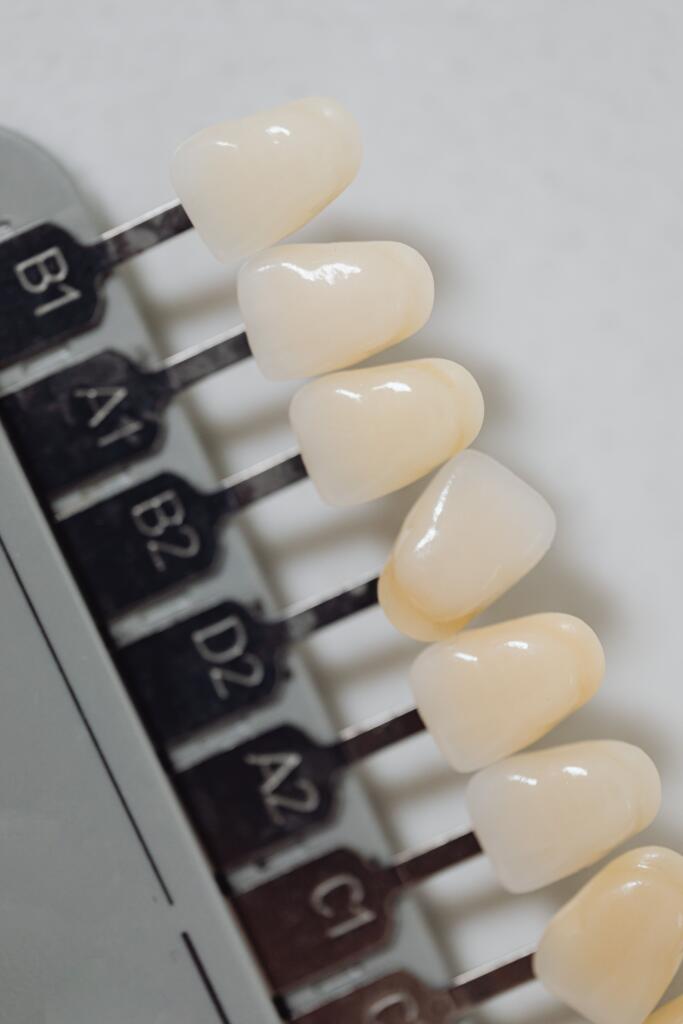
Prepless veneers are extremely thin cosmetic restorations designed to improve the appearance of teeth with little or, in selected cases, no significant tooth preparation.
The appeal is obvious.
Patients are often concerned about:
Removing healthy enamel
Irreversibility
Sensitivity
The feeling that their natural teeth are being permanently altered
Those concerns deserve an honest conversation.
Dr. Haywood’s practice emphasizes conservative treatment and offers DURAthin and minimal-preparation veneer options when appropriate.
But there is an important word in that sentence:
When appropriate.
Why Aren’t Prepless Veneers Right for Everyone?
Because the veneer has to fit somewhere.
If you put a restoration on a tooth without creating enough room, the result can become unnecessarily bulky.
The patient’s existing tooth position matters.
The amount of enamel matters.
The tooth’s color matters.
The bite matters.
The amount of cosmetic change matters.
So does the desired final shape.
Imagine a tooth that already projects significantly forward.
Adding material to the outside may not produce the result you want.
In a different patient, closing a small gap with an ultra-thin veneer could be beautifully conservative.
Same treatment category.
Completely different anatomy.
That’s why the best cosmetic dentist isn’t the one who tells everyone:
“You need prepless veneers.”
It’s the one who tells you whether you are a good candidate.
Traditional Veneers vs. Prepless Veneers
The easiest way to understand the difference is to think about preparation.
Traditional porcelain veneers generally involve some degree of preparation to create the space and surface needed for the restoration.
The amount varies according to the case and treatment plan.
Prepless or minimal-preparation veneers seek to reduce or eliminate the need for that preparation in appropriately selected patients.
Neither approach is automatically superior.
The right technique depends on the smile in front of the dentist.
What Is DURAthin?
Dr. Haywood’s practice offers DURAthin veneers, a very thin porcelain veneer option intended for selected patients.
The attraction is obvious for people who want to enhance their smile while preserving as much natural tooth structure as possible.
These veneers may be considered for problems such as:
- Small spaces
- Mild discoloration
- Chipped teeth
- Certain cosmetic irregularities
- Teeth that need modest shape enhancement
But candidacy still matters.
A veneer is not a magic sheet of porcelain that can solve every cosmetic problem without preparation.
Could Invisalign Be Better First?
This is one of the most important questions cosmetic patients should ask.
Suppose your teeth are crowded.
You want a beautiful smile.
You are considering veneers because you don’t like the appearance of the crowding.
But placing veneers directly onto significantly misaligned teeth may require the cosmetic restoration to compensate for the existing tooth position.
In selected situations, orthodontic treatment can move the teeth first.
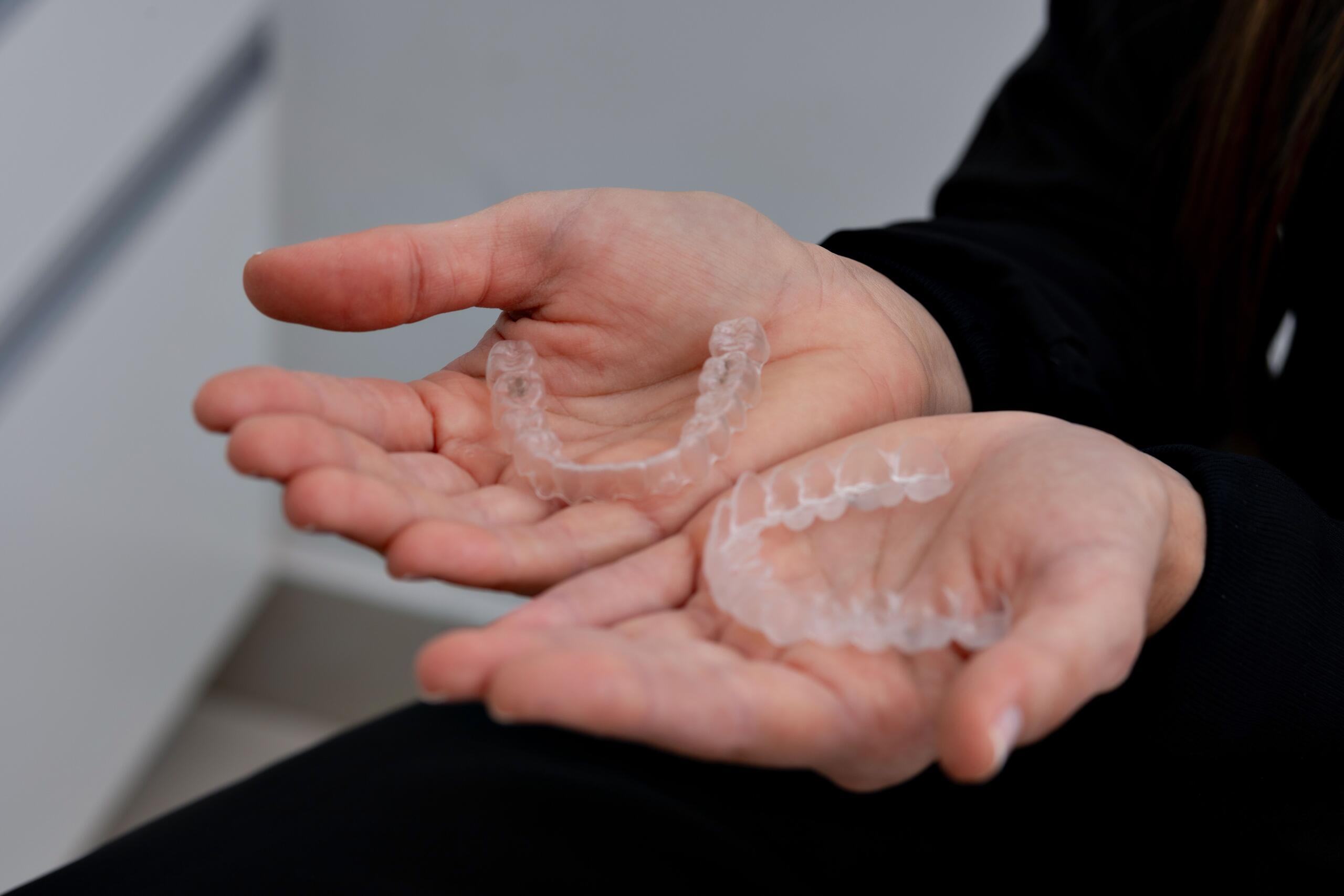
Dr. Haywood’s practice offers Invisalign and explains that orthodontic movement can sometimes be used before veneers to create a better position and reduce unnecessary tooth preparation.
That is a sophisticated treatment-planning conversation.
Instead of asking:
“Which veneer should I buy?”
you ask:
“What sequence of treatment creates the healthiest and most natural result?”
What Makes a Smile Look Natural?
A smile doesn’t look natural simply because the teeth are white.
That is one of the biggest misunderstandings in cosmetic dentistry.
Natural-looking veneers involve:
Shape
The teeth should complement the patient’s facial features.
Proportion
The relationship between width, length, and neighboring teeth matters.
Color
Very bright is not automatically beautiful.
Translucency
Natural enamel interacts with light in a way that opaque materials may not reproduce well.
Symmetry
Small differences can influence how natural the smile appears.
Dr. Haywood’s veneer philosophy emphasizes a natural, almost undetectable result rather than an obviously artificial smile.
That is particularly important for patients considering a significant cosmetic investment.
The Smile Should Belong to You
A common mistake is bringing a photograph of a celebrity and saying:
“I want these teeth.”
That photograph may be useful.
It tells your dentist something about your taste.
But it isn’t a treatment plan.
Your lips are different.
Your face is different.
Your tooth proportions are different.
Your gums are different.
Your bite is different.
Your dental history is different.
Your ideal smile should be designed around all of those variables.
That’s why Dr. Haywood’s practice describes beginning with the patient’s goals and their own perception of beauty before developing the cosmetic plan.
What Happens During a Cosmetic Consultation?
The consultation is where you should be completely honest.
Say what you don’t like.
Maybe you hate the yellowing.
Maybe one tooth looks shorter.
Maybe you’re embarrassed by a gap.
Maybe old fillings bother you.
Maybe you’ve always wanted a more polished smile.
Maybe you’re terrified of altering your natural teeth.
All of those details matter.
The practice describes its patient process in three stages:
Consultation
Understand the goals and evaluate the smile.
Custom Plan
Build the treatment around the patient’s needs, comfort, and budget.
Treatment
Complete the planned cosmetic care.
The point is that the patient doesn’t have to walk in knowing exactly what procedure they need.
How Many Teeth Should Be Treated?
This is another area where social media can distort expectations.
Someone may receive veneers on eight or ten teeth and another person may need treatment on only two.
There is no universal number.
It depends on what is visible when you smile and what you’re trying to change.
Sometimes treating fewer teeth produces the most natural outcome.
Sometimes a broader smile transformation is necessary to achieve harmony.
The dentist needs to evaluate how the teeth work together visually and functionally.
How Long Can Veneers Last?
No cosmetic restoration lasts forever.
But careful maintenance can support long-term performance.
Your bite matters.
Grinding matters.
Oral hygiene matters.
Your diet and habits matter.
Routine dental care matters.
Dr. Haywood’s practice emphasizes long-term care and natural-looking cosmetic treatment rather than a disposable beauty treatment.
That mindset is important.
You aren’t buying an accessory.
You’re investing in your mouth.
What About the Cost of Veneers in Timonium?
There isn’t one accurate price for every patient.
The investment can depend on:
- Number of teeth
- Veneer material
- Laboratory work
- Preparation
- Existing dental conditions
- Complexity of the case
- Whether additional orthodontic or restorative treatment is needed
Flossem provides financing options through CareCredit and Cherry and states that most major insurance is accepted for applicable care.
The important thing is to understand the whole treatment plan rather than shopping only by per-tooth price.
What If You’re Nervous?
A lot of veneer patients are.
Sometimes they’re afraid of the preparation.
Sometimes they’re afraid of the injections.
Sometimes they simply don’t like being in a dental office.
Flossem specifically offers sedation dentistry and describes the office as comfortable and spa-like.
You should tell the team about your anxiety.
There is nothing impressive about suffering silently through dental care.
Questions to Ask Before You Agree to Veneers
Bring these questions with you:
Am I a candidate for prepless veneers?
Would traditional veneers be better for my teeth?
How much enamel would need to be altered?
Could Invisalign improve the position of my teeth first?
How many veneers would you recommend?
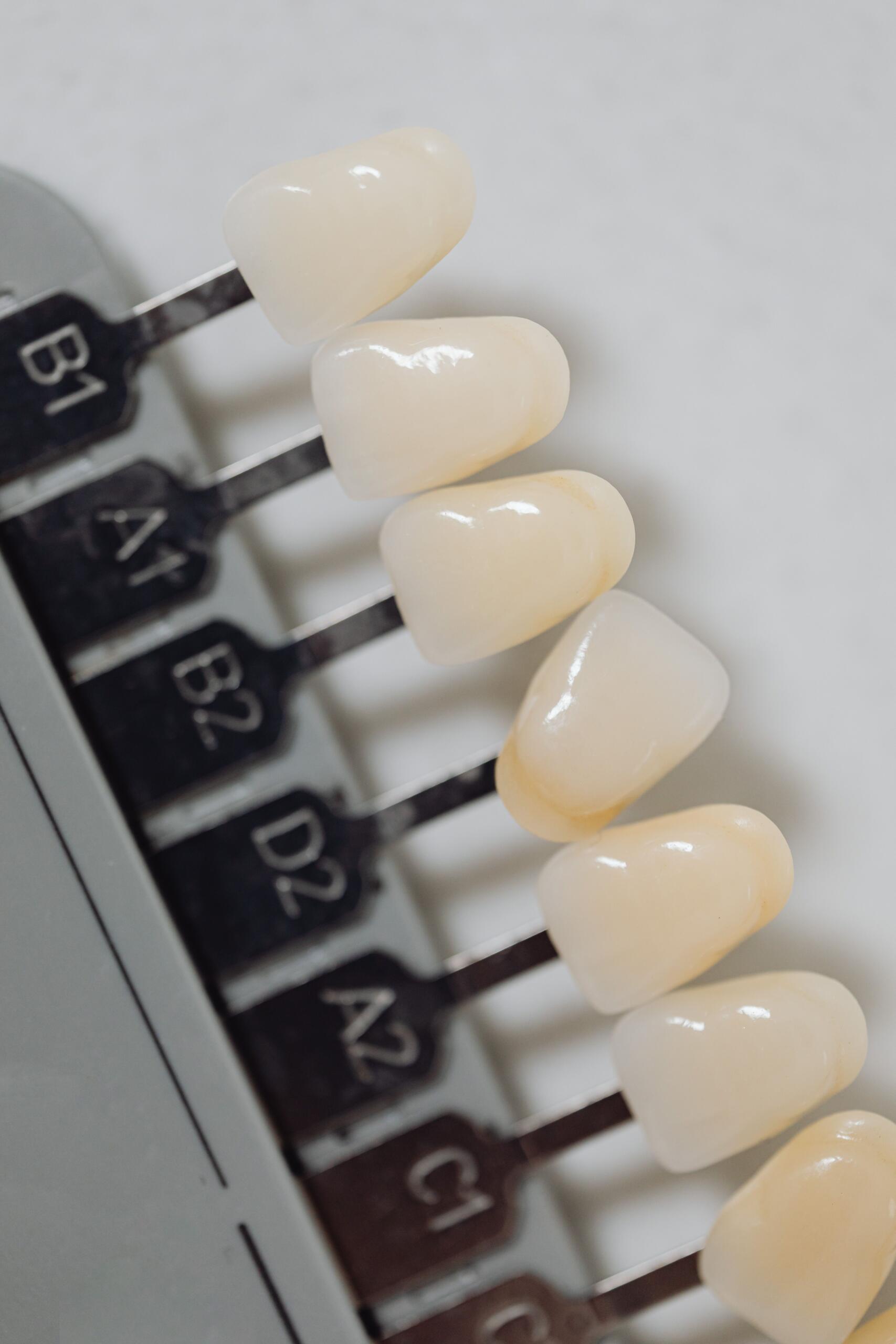
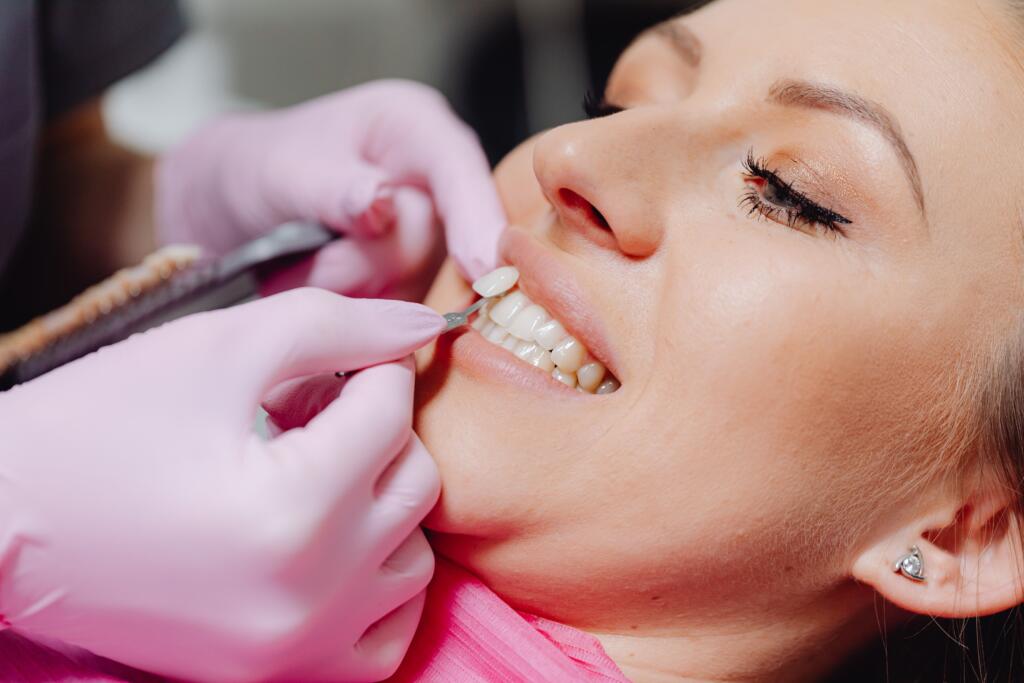
How will you decide the shape and shade?
What will the complete treatment cost?
What financing options are available?
The answers are more important than the marketing language.
The Right Veneer Is the One That Makes Sense for Your Teeth
Prepless veneers are exciting.
They offer a potentially conservative pathway for the right patient.
But the goal isn’t to qualify for the thinnest veneer.
The goal is to create a beautiful, healthy, natural-looking result while respecting the tooth.
That requires experience.
Planning.
Honesty.
And sometimes the willingness to say:
“You are not a prepless veneer candidate, but here’s another option.”
That’s what personalized cosmetic dentistry should look like.
Call Dr. Haywood’s Timonium Office
If you have been searching for:
DURAthin veneers near me
Porcelain veneers Timonium
Smile makeover near Baltimore
call 410-453-9399.
Tell the team you’re interested in veneers but concerned about changing your natural teeth.
Ask whether you may be a candidate for prepless or minimal-preparation veneers.
Ask about Invisalign if alignment is part of the problem.
Ask about the process.
Ask about financing.
And ask every question that has been keeping you from making the call.
Because a beautiful smile shouldn’t require you to ignore your concerns.
It should begin by addressing them.