Dental implants can replace anything from one missing tooth to every tooth in your mouth. The right option depends on how many teeth are missing, where they are, how much bone you have and what matters most to you: a single implant for one tooth, an implant bridge for several in a row, and snap-on or fixed full-arch teeth when most or all teeth are gone.
At the Timonium office of Dr. Steven W. Haywood, DDS, every one of those options is planned and completed in one place, from the 3D scan to the final teeth. This guide walks through each situation, how implant treatment is planned, how long it takes, and what affects the cost, so you can arrive at a consultation already knowing the questions to ask.
Which implant option fits your situation?
- One missing tooth: a single tooth implant.
- A missing front tooth: a front tooth implant, planned with extra care for the smile zone.
- Three or more teeth missing in a row: an implant bridge on two or more implants.
- Most or all teeth missing, on a budget: removable snap-on implant teeth.
- Most or all teeth missing, wanting teeth that stay in: fixed full-arch implant teeth, sometimes called All-on-4.
These are starting points, not diagnoses. An exam and a 3D scan decide what is actually possible in your mouth.
Why replace missing teeth at all?
You need all of your teeth to chew and speak properly and to keep the others in alignment. After a tooth is lost, the remaining teeth can shift, the bite can become misaligned, the cheeks or lips can sink in, and untreated gaps significantly increase the risk of gum disease. The jawbone that held the tooth can also deteriorate. A dental implant is the only tooth replacement that restores both the root and the visible tooth, which is why it helps preserve that bone.
One missing tooth: the single implant
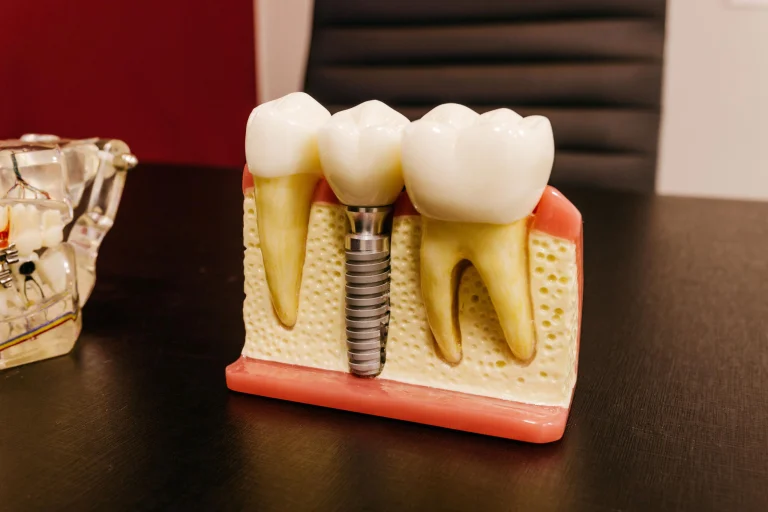
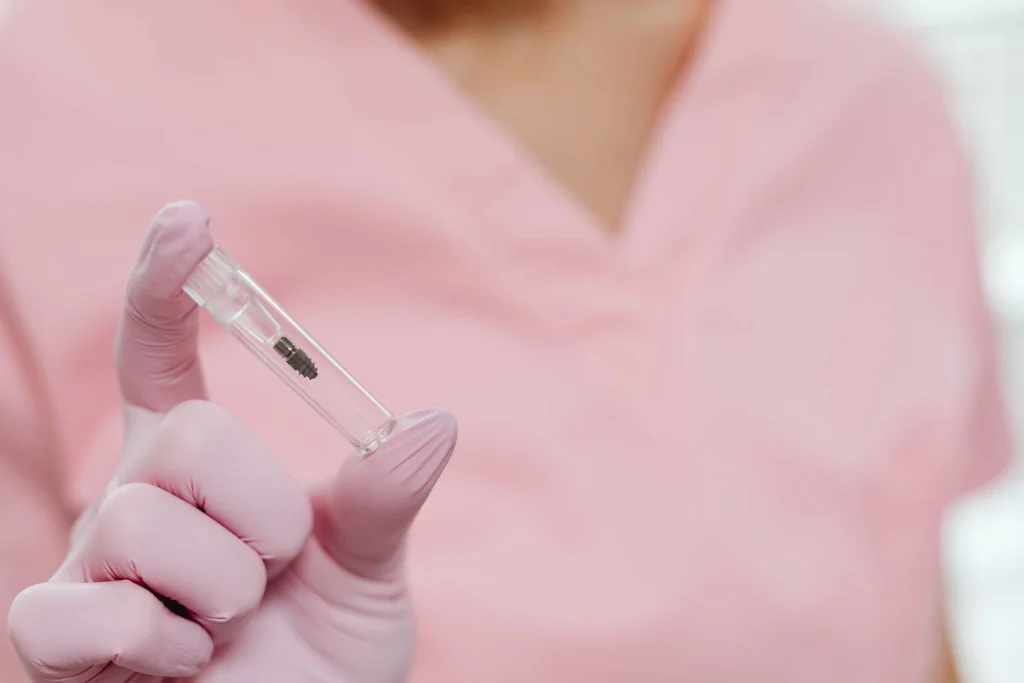
A single implant replaces one tooth in three parts: the implant that takes the place of the root, the abutment that supports the new tooth, and the crown. It stands on its own, so the natural teeth beside it are left alone. In this office, a single implant is regularly less expensive and more conservative than a traditional bridge.
- At the time of an extraction: when a tooth is being removed, the implant can often be placed at the same visit.
- Back teeth: a back tooth is often left unrestored while the implant heals, which can also lower the overall cost.
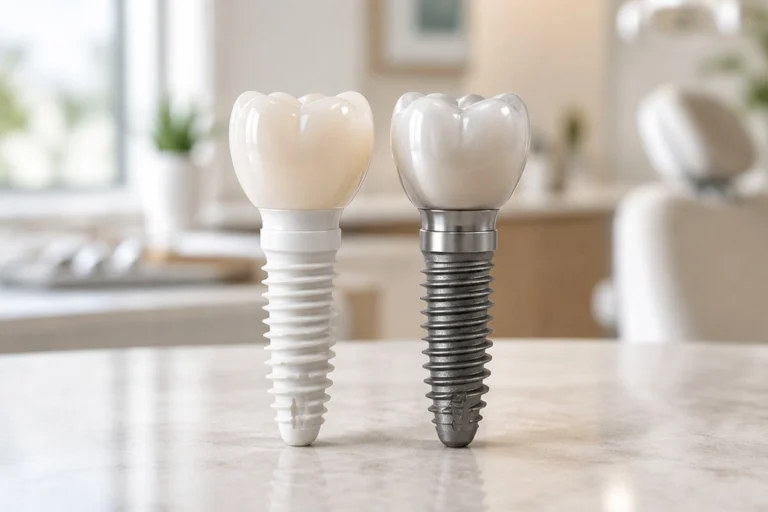
- Materials: titanium implants are the most common and successful type. Ceramic and zirconia implants are also possible and are essentially the holistic implant of choice, though they cost more.
A missing front tooth
Front implants are considerably more difficult, and can be more expensive, than back implants. The bone at the front is often thinner and less dense, and the result shows every time you smile. That is why smaller implants, customized ceramic abutment posts and guided surgery are virtually always used for front teeth. If a tooth has been missing a long time or never developed, orthodontics and bone grafting are considered as part of the plan. In this office, implants make up 98% of what patients want and receive to replace missing front teeth, and front implant work can be coordinated with other cosmetic dentistry so the whole smile looks right.
Several missing teeth: the implant bridge
Replacing each missing tooth with its own implant is ideal in many ways, but it is also the most expensive way to replace a series of teeth. An implant bridge uses two or more implants to hold three or more joined teeth, saving the cost of extra implants and their posts. It can cost 20–30% less than an implant for every tooth.
Implant bridges work best where most or all of the back teeth have been lost, where 3 or 4 front teeth were lost to trauma, decay or gum disease, and where gum tissue has been lost and avoiding extra surgery is key. The trade-off is cleaning: you will need a floss threader, because food can collect under the bridge.
Most or all teeth missing: full-arch implant teeth
Snap-on implant teeth
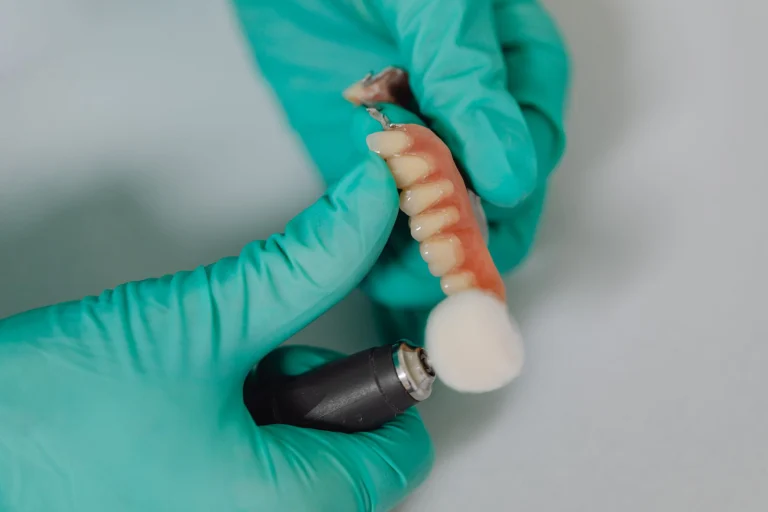
Snap-on teeth are a removable set that clips onto implants. The upper set usually rests on four or five implants and is horseshoe-shaped, leaving the palate uncovered. The lower set needs at least two implants, with four or more often preferred. They cost roughly 30% less than a comparable fixed set, and more implants can often be added later.
Fixed full-arch teeth
Fixed teeth are screwed or cemented onto at least four implants, and more are often suggested where bone support is lacking. They don’t move while eating, so chewing is the most natural of all the options, and they are the most costly. Only the practice can remove them, a spare set is always made, and removal and cleaning every 3–4 months is recommended in most cases. In the Baltimore and Timonium area, full mouth implant treatment typically ranges from $20,000 to $50,000 or more per arch.
How implant treatment is planned
Where an implant sits decides how the final tooth looks and works, and the final tooth decides where the implant should go. So the planning comes before any surgery:
- Exam and health history. Dr. Haywood reviews your health history, examines your mouth and explains every option, with videos, photos and models where they help.
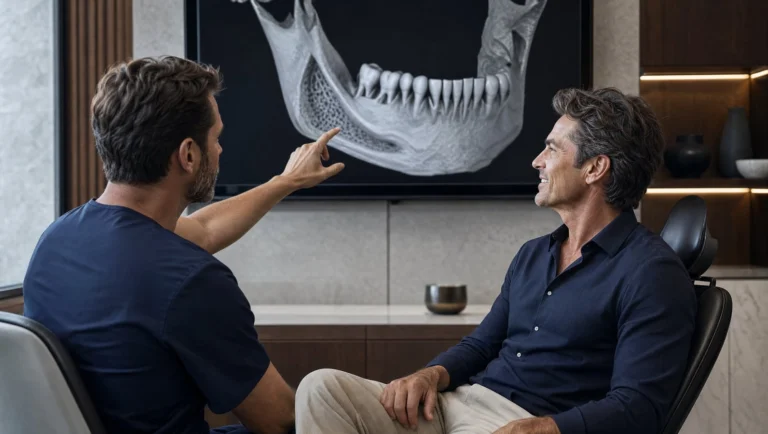
- A 3D cone beam CT scan. The in-office Green CT scanner uses a low radiation dose and shows the quantity and quality of your bone, including whether grafting is needed, at that same visit.
- A digital treatment plan. The implant is placed virtually on screen first. When it is advisable, a 3D-printed surgical guide is made from the plan in about 2–3 weeks and approved by Dr. Haywood.
- Placement and final teeth. The implants are placed as planned, temporary teeth are used where needed, and the crown, bridge or full-arch teeth follow once the implants have integrated.
Guided surgery matters most when bone is limited, when a precise angle is needed or when several implants must line up. Not every implant needs a guide. Read about computer-guided implant surgery. Implants placed elsewhere that have failed or look unattractive are also seen and fixed at the practice.
Bone loss, gum disease and grafting
Being told you don’t have enough bone is not always the end of the conversation. Thin bone can often be built up with grafting, and the practice is experienced in bone and tissue grafting. Active gum disease is treated before implants are placed. Smokers can have implants, though they are somewhat less successful, so it is worth raising openly.
How long does it take?
Implants need at least 6–8 weeks of healing after surgery before a single tooth is restored, and full integration into the bone takes longer. From your first visit to your finished tooth, the whole process can take several months, and longer if grafting comes first. Pain after an implant procedure is described as negligible. For the first day, eat soft food, drink plenty of fluids, and avoid straws, smoking and alcohol. See the post-op instructions.
If oral surgery makes you nervous, laughing gas and oral conscious sedation are both available. Read about sedation dentistry.
What affects the cost of dental implants?
Simple cases cost less than complex ones. The total depends on the number of implants, the kind of teeth they hold, whether grafting, extractions or a surgical guide are needed, and your choice of materials. Implants can cost a little more up front than other ways to replace teeth, but they are built to last. Your fee is set after your exam and scan.
The practice is out of network with all dental insurance companies. You pay at the time of your visit, and the office files the claim on your behalf so your plan can reimburse you for what it covers. Health savings and flex plans are welcome. Financing is available through CareCredit, with no-interest options for up to 12 months, and Cherry, with payment plans from 3 to 24 months. See financing options.
Looking after your implants
Brush and floss implants much like natural teeth, with extra attention at the gumline. Cleanings every 3–4 months are recommended, using instruments that are safe for titanium, and a custom night guard protects implants if you grind or clench. Current thinking is that implants may last a lifetime: they don’t decay and seem far less affected by gum disease than natural teeth.
Frequently asked questions
Do gums grow back after implant surgery?
Gum tissue heals around a new implant, but gum that has already been lost to recession or disease does not usually grow back on its own. Where it matters, particularly around front teeth, tissue grafting can be part of the plan, and implant bridges suit areas where gum tissue has been lost and avoiding extra surgery is important.
Do I need an implant for every missing tooth?
Not always. An implant bridge holds three or more teeth on two or more implants, and full-arch teeth replace an entire arch on as few as four fixed implants or two lower snap-on implants.
Can I get a second opinion on another office’s implant plan?
Yes. Patients often bring implant proposals from other offices, including large chain centers, and second opinions here are complimentary.
Am I a candidate for dental implants?
A full exam is the only way to know. X-rays or a cone beam CT scan show your bone, your health history is reviewed, and gum disease is treated first.
Book an implant consultation in Timonium
Dr. Steven W. Haywood, DDS has over 35 years of experience, completed the U.S. Air Force advanced residency program and is a Fellow of the International Congress of Oral Implantologists. Whether you are missing one tooth or all of them, request an appointment or call (410) 453-9399. The office is at 108 W Timonium Rd, Ste 200, Timonium, MD 21093, and patients come from Timonium, Towson, Hunt Valley, Baltimore and Shrewsbury, PA. Explore every option on the dental implants in Timonium page.
Ready to see your future smile?
Missing one tooth or many? Book an implant consultation in Timonium.