Dental implants replace missing teeth with new teeth anchored in the jawbone, whether you are missing one tooth, a few in a row or a whole arch. Baltimore patients come to Dr. Steven W. Haywood, DDS in Timonium for all of them, and most of this guide is about the biggest decision: full mouth implants.
Full mouth dental implants replace an entire arch of teeth, upper, lower or both, with teeth anchored to implants in the jawbone. For patients in the Baltimore area, full mouth implant treatment typically ranges from $20,000 to $50,000 or more per arch, depending on the number of implants, the type of teeth they hold and any preparatory work such as extractions or bone grafting.
Dr. Steven W. Haywood, DDS treats Baltimore patients at the office in Timonium, just north of the city, where the 3D scan, planning, extractions, implant placement and final teeth all happen under one roof. This guide covers single implants and implant bridges, the full-arch options, how a case is planned, what drives the cost, and what to expect if you are coming up from Baltimore.
Replacing one tooth or a few
Not everyone who needs implants needs a full arch. When one tooth or a few are missing, smaller treatments restore them without touching the teeth you still have.
A single tooth implant
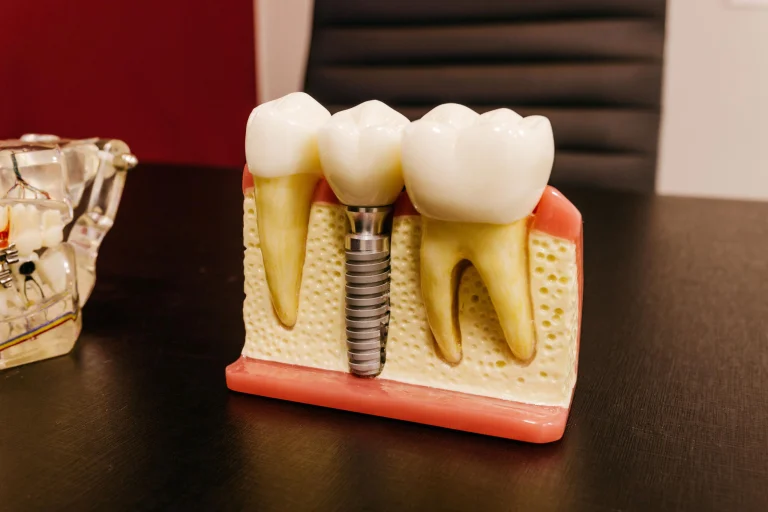
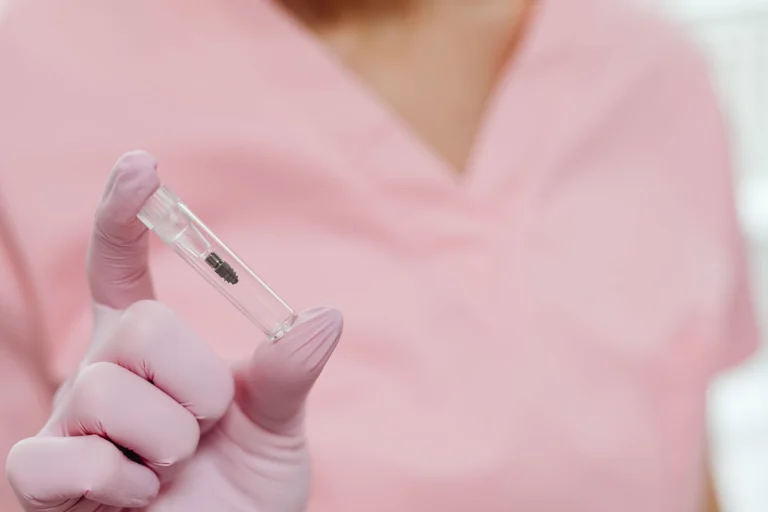
A single implant has three parts: the implant that replaces the root, the abutment (post) that supports the new tooth, and the crown on top. It replaces the whole tooth without affecting the teeth beside it, and in this office it is regularly less expensive and more conservative than a bridge. The implant needs at least 6 to 8 weeks of healing before the tooth is restored, and the whole process can take several months. Read more about replacing a single tooth with an implant.
An implant bridge for several teeth
When several teeth are missing in one area, two or more implants can support three or more teeth joined together as a bridge. The implants carry the bridge, so your natural teeth are left alone, and an implant bridge can cost 20 to 30% less than placing an implant for every missing tooth. See how an implant bridge works.
A missing front tooth
Front teeth are harder: the bone is often thinner, and the result shows every time you smile. Smaller implants, custom ceramic abutments and computer-guided surgery are virtually always used for front tooth implants, and bone and tissue grafting are done in the same Timonium office.
Titanium or ceramic implants
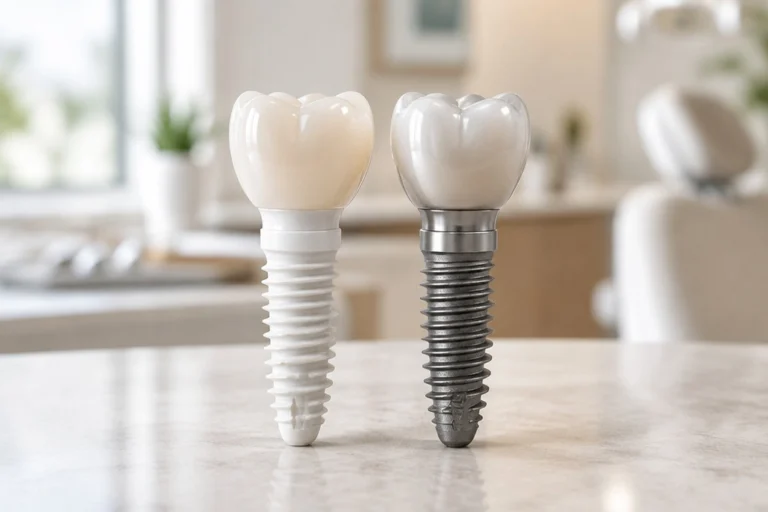
Titanium implants are the most common and successful type. Ceramic (zirconia) implants are also possible and are the holistic choice for patients who want a metal-free implant, though they cost more. Read more about zirconia vs titanium implants. Dr. Haywood can explain which suits your mouth and your priorities, and the practice’s holistic dentistry page explains the wider approach.
What are full mouth dental implants?
A full arch restoration replaces every tooth in the upper or lower jaw on a small number of implants, rather than one implant for each tooth. Each implant is a titanium post that acts as a new root, and bone fuses around it in the months after placement. The replacement teeth then attach to those implants, so they stay in place when you eat, speak and laugh.
That is the key difference from removable dentures that rest on the gums. Because implants replace tooth roots, they also help prevent the bone deterioration that follows tooth loss, which supports the shape of the face over time.
Signs it may be time to consider full-arch implants
- Most of your remaining teeth are broken, decayed or failing, and repairing them one at a time no longer makes sense.
- You wear a denture that slips, rubs or makes eating hard.
- You have already been told your teeth need to come out.
- You avoid foods, restaurants or photographs because of your teeth.
Implant treatment does not always mean losing every tooth. Any useful teeth that can support a good final result are kept. But when the teeth truly cannot be saved, a full arch of implant teeth can change daily life. One patient wrote in a review published on the practice’s website: “I came in knowing I’d have all of my teeth pulled — they were terrible and not worth fixing. Even I find it hard to believe these are not my real teeth.”
Your full mouth implant options
Fixed full-arch teeth: All-on-4 and All-on-6
Fixed full-arch implant teeth are screwed or cemented onto implants and are removed only by the practice. At least four implants are basic to any good full-arch plan, and more are often suggested, especially where bone support is lacking. You will hear these called All-on-4 or All-on-6, depending on the number of implants, as well as hybrid dentures or “permanent dentures.”
- They don’t move or wobble while eating, so chewing is the most natural of all the options.
- The teeth are supported by a custom CNC-milled titanium bar.
- You can start with high-strength denture teeth, or choose custom ceramic teeth for durability at additional cost.
- A spare set is always made, so you are not without teeth if your set ever needs service.
Teeth in a day
Implants can support a full set of teeth in one day. While the implants integrate with the bone, temporary teeth let you chew comfortably, and the final teeth follow once healing allows. Whether this “teeth in a day” approach suits you depends on your CT scan and your plan.
Snap-on implant teeth
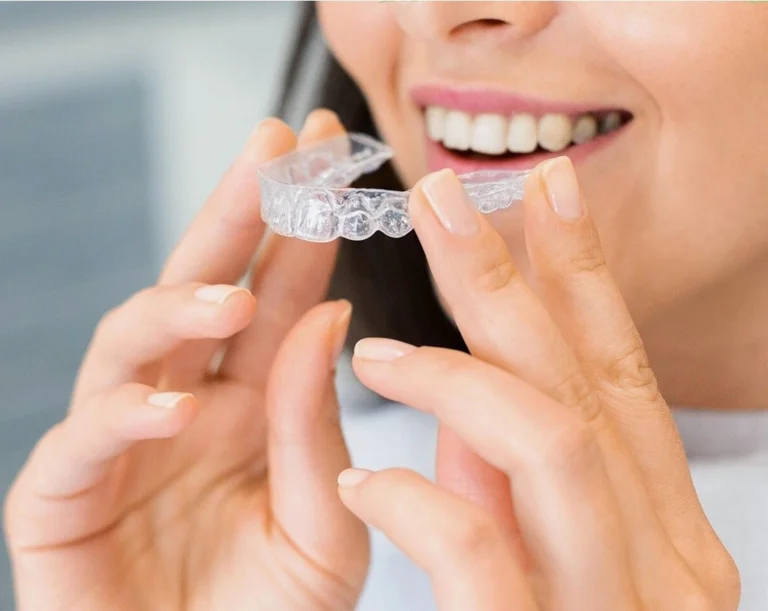
Snap-on implant teeth are a removable full-arch option that clips onto implants. An upper set usually rests on four or five implants and is shaped like a horseshoe, leaving most of the palate uncovered. A lower set needs at least two implants, with four or more often preferred. A full upper snap-on set costs roughly 30% less than a comparable fixed set, and more implants can often be added later.
How a full-arch case is planned
“I need implants” does not tell a dentist enough. The treatment process at the practice starts with a full exam, your health history and a conversation about what you want, followed by advanced imaging:
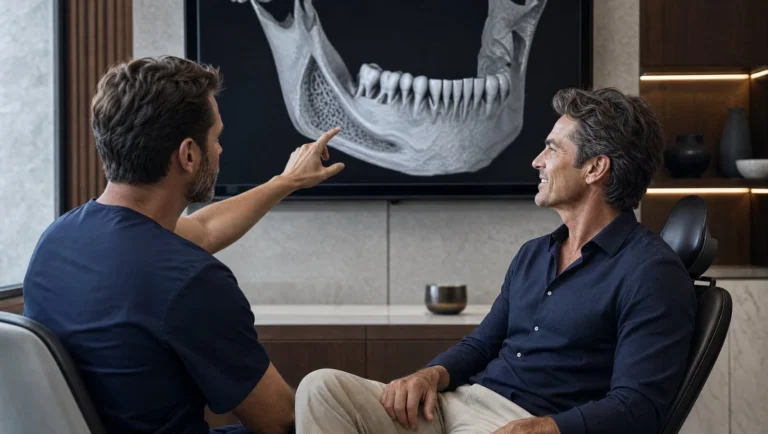
- A 3D cone beam CT scan. Every plan starts with a CBCT scan that maps your jaw. The practice uses a low-dose Green CT scanner, and within minutes the software shows the quantity and quality of your bone, including whether you need bone grafting.
- Virtual implant placement. Implants are positioned on screen first. When several implants need to be almost parallel, as they are in a full arch, a 3D-printed surgical guide can carry that plan into surgery. Read about computer-guided implant surgery.
- Extractions and implant placement. Any remaining teeth that need to come out are removed and the implants are placed, all in the Timonium office, with temporary teeth in place during healing.
- Your final teeth. Once the implants have integrated, the final fixed or snap-on teeth are made and fitted.
Active gum disease is treated before implants, and smokers can have implants, though they are somewhat less successful. If bone loss is a concern, grafting can often build the bone back up.
How much do full mouth dental implants cost near Baltimore?
In the Baltimore and Timonium area, full mouth implant treatment typically ranges from $20,000 to $50,000 or more per arch. Where your case falls depends on:
- The number of implants your bone and bite require.
- Fixed or snap-on teeth. Fixed teeth are the most costly option; snap-on teeth cost less.
- The teeth themselves. Custom ceramic teeth cost more than high-strength denture teeth.
- Preparatory procedures such as extractions and bone grafting.
Plan for ongoing care as well: fixed teeth last only with professional care, including removal and cleaning at the office every 3–4 months in most cases. If another office has already given you a full-arch proposal, including a large corporate implant center, second opinions here are always complimentary. You can read more about how much dental implants cost.
Insurance and financing
The practice is out of network with all dental insurance companies. You pay at the time of your visit, and the office files the claim on your behalf so your plan can reimburse you for what it covers. Health savings and flex plans are welcome. For a treatment this size, financing helps many patients: CareCredit offers no-interest options for up to 12 months, and Cherry offers payment plans from 3 to 24 months. See financing options.
Comfort and recovery
If dental surgery makes you nervous, sedation dentistry is available. Laughing gas is breathed through a nasal mask and wears off quickly enough for you to drive home. Oral conscious sedation is a pill taken about an hour before your visit; it lasts several hours, so you will need a ride. After surgery, soft food, plenty of fluids and no straws, smoking or alcohol help the area heal. Read about sedation options.
Living with full-arch implant teeth
Good oral hygiene matters as much with implants as with natural teeth. Gum tissue attaches less firmly to an implant than to a tooth, so implant cleanings every 3–4 months are recommended, using titanium-safe instruments. A custom night guard protects implants if you grind or clench. With that care, implants are considered to have lifetime potential.
Coming from Baltimore
The office is in Timonium Green at 108 W Timonium Rd, Ste 200, on the corner of the block with Coppermine Health & Fitness. From York Rd, turn onto Timonium Rd, then right onto Greenspring Dr, and take the very first left into the parking lot. Patients come for implants from Baltimore, Towson, Hunt Valley and Shrewsbury, PA, because every phase of care happens in this one local office.
Why patients choose Dr. Haywood for implants
Dr. Haywood has cared for smiles across Timonium, Towson and greater Baltimore for over 35 years. Dr. Haywood graduated with distinction from the University of Detroit dental school in 1987, completed the U.S. Air Force advanced residency program, and is a Fellow of the International Congress of Oral Implantologists. The practice holds a 4.7-star rating from 147 Google reviews (as of September 2026). Learn more about dental implants in Timonium.
Frequently asked questions
Is full mouth reconstruction the same as full mouth implants?
Not always. Full mouth reconstruction is a broad term for rebuilding many or all teeth, which can involve crowns, bridges, veneers or implants. Full mouth implants replace the teeth of an entire arch on implants. Your exam shows which approach fits your mouth.
Can I get teeth in a day?
Implants can support a full set of teeth in one day, with temporary teeth in place while the implants heal. Whether it suits you depends on your scan and plan.
How many implants are needed for a full arch?
At least four for fixed teeth, and often more where bone is limited. A snap-on upper set usually uses four or five, and a snap-on lower set at least two.
Do you also do single implants for Baltimore patients?
Yes. Single tooth implants, implant bridges and front tooth implants are all planned and placed at the Timonium office, from the 3D scan to the final tooth.
Is the office in Baltimore?
No. The office is in Timonium, a short drive north of Baltimore, at 108 W Timonium Rd, Ste 200, Timonium, MD 21093.
Book a dental implant consultation
If you are ready to find out which dental implants are right for you, from one tooth to a full arch, request an appointment or call (410) 453-9399. Your visit includes an exam and a conversation about your goals, and you will leave knowing your options. The office is at 108 W Timonium Rd, Ste 200, Timonium, MD 21093.
Ready to see your future smile?
Coming from Baltimore? Book a dental implant consultation at the Timonium office.