There are 12 dental specialties recognized in the United States. The list is maintained by the National Commission on Recognition of Dental Specialties and Certifying Boards, established by the American Dental Association. For many years the list had nine specialties, which is why older articles, including an earlier version of this one, still say nine. Three have been added since: dental anesthesiology, oral medicine and orofacial pain.
Here is the full list of dental specialties, what each one focuses on, what is not on the list, and how a general dentist with advanced training, like Dr. Steven W. Haywood, DDS in Timonium, fits into the picture.
What makes a dental specialty?
Every dentist completes dental school and is licensed to provide a broad range of care. A dental specialist goes on to complete an accredited advanced education program in one area of dentistry. An area becomes a recognized specialty when it has its own distinct body of knowledge, advanced training and certifying board. Recognition applies to the discipline, not to any one dentist.
General dentists can still provide many treatments that overlap with specialty areas, such as root canals, gum care, dentures or clear aligners. What the specialty designation tells you is that a dentist has completed formal specialty training in that field.
The 12 recognized dental specialties
1. Dental anesthesiology
Managing pain, anxiety and overall patient health during dental procedures, using local anesthesia, sedation and general anesthesia. Dental anesthesiologists often care for medically complex patients and people who cannot tolerate treatment while awake.
2. Dental public health
Preventing and controlling dental diseases and promoting oral health across whole communities rather than one patient at a time, through programs, research and health care policy.
3. Endodontics
The dental pulp and the tissues around the root of a tooth. Endodontists diagnose tooth pain and perform root canal treatment, including complex cases and retreatment.
4. Oral and maxillofacial pathology
Diagnosing diseases of the mouth, jaws and face, often by examining tissue samples under a microscope alongside clinical and imaging findings.
5. Oral and maxillofacial radiology
Producing and interpreting images of the mouth, face and jaws, such as X-rays and cone beam CT scans, to diagnose disease and plan treatment in the maxillofacial region.
6. Oral and maxillofacial surgery
Surgery of the mouth, jaws and face, from complex extractions and wisdom teeth to jaw surgery, treatment of facial injuries and dental implant surgery.
7. Oral medicine
Oral health care for medically complex patients, and the diagnosis and non-surgical management of medically related diseases and conditions that affect the mouth and face.
8. Orofacial pain
Diagnosing and managing pain in the jaws, face, head and neck, including temporomandibular (TMJ) disorders and chronic facial pain.
9. Orthodontics and dentofacial orthopedics
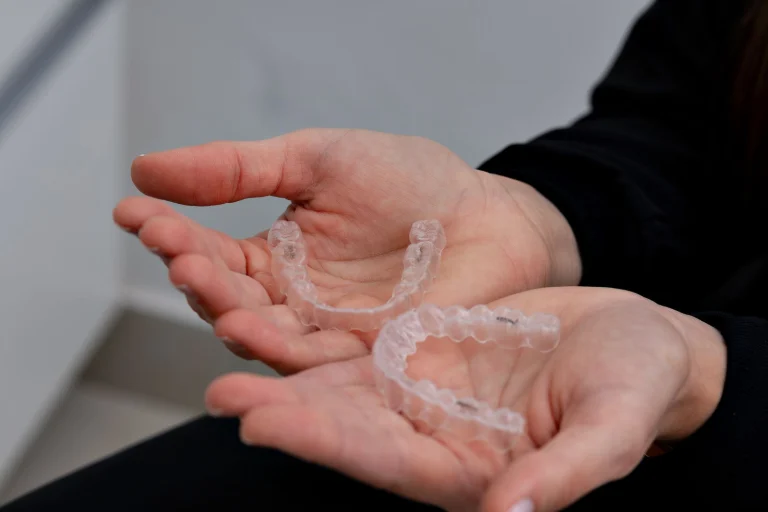
Straightening teeth and correcting bites and jaw growth, using braces, clear aligners and other appliances.
10. Pediatric dentistry
Dental care for infants, children and teenagers, including children with special health care needs.
11. Periodontics
The gums and the bone that support the teeth: preventing, diagnosing and treating gum disease, and procedures such as gum grafts and crown lengthening. Periodontists also place dental implants.
12. Prosthodontics
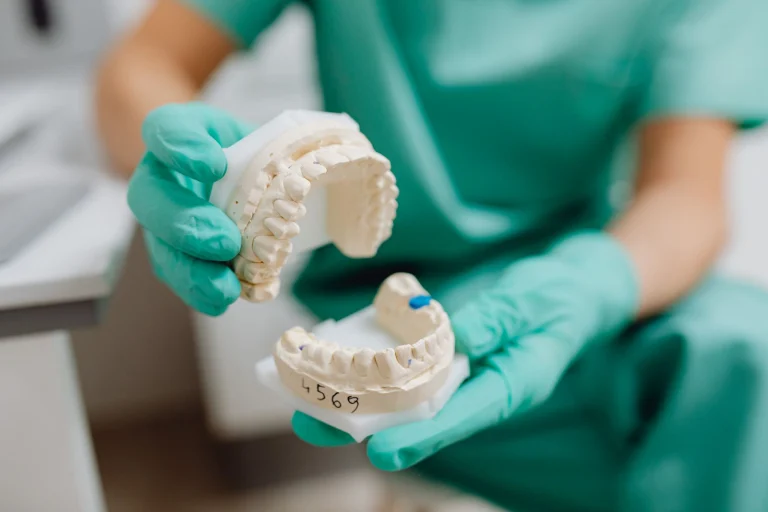
Restoring and replacing teeth with crowns, bridges, dentures and implant-supported teeth, including complex full-mouth rehabilitation.
What is not on the list
Some familiar terms describe areas of practice or interest rather than recognized specialties:
- General dentistry is the broad, everyday care most people need: checkups, cleanings, fillings and much more. It is the foundation of dental care rather than a specialty.
- Cosmetic dentistry covers veneers, whitening, bonding and smile makeovers. It is not one of the 12 specialties, although many dentists pursue extensive cosmetic training.
- Holistic or biological dentistry describes an approach to dental materials and whole-body health, not a recognized specialty.
- Dental implants are placed by oral surgeons, periodontists and prosthodontists, and by general dentists with implant training.
How a general dentist fits in
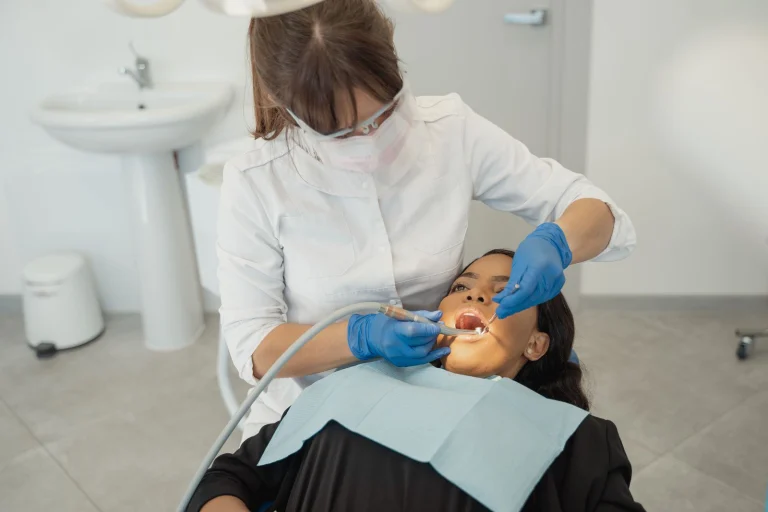
For most people, a general dentist is the first stop and the dental home. A general dentist diagnoses problems, provides preventive and restorative care, and decides with you when a case calls for specialty care. How much a general dentist handles in the office depends on training and experience, which is why it is always worth asking what a dentist has trained in.
Dr. Haywood’s training across specialty areas
Dr. Steven W. Haywood, DDS is a general dentist whose training reaches into several of these areas. Dr. Haywood graduated with distinction from the University of Detroit dental school in 1987 and was hand-picked for the U.S. Air Force’s advanced residency program, with internships in oral surgery, orthodontics, endodontics, pediatric dentistry and oral facial prosthodontics. Cosmetic training followed at New York University’s Aesthetic Continuum, along with advanced TMJ and reconstructive training at the Peter Dawson Institute.
Dr. Haywood is also a Fellow of the International Congress of Oral Implantologists, a Member of the American Academy of Cosmetic Dentistry and an Elite Invisalign Provider, with over 35 years of experience. These are credentials and memberships rather than specialty designations. Read the profile of Dr. Haywood.
Specialty areas and the care offered in Timonium
Here is how care at the practice lines up with the specialty areas above. All of it is provided in the same Timonium office:
- Endodontics: root canal therapy to save infected teeth, finished with a porcelain crown.
- Periodontics: non-surgical gum disease treatment, with oral DNA testing and the Picasso laser.
- Prosthodontics: porcelain crowns, bridges, custom dentures and implant-supported teeth; see dentures.
- Oral surgery: gentle tooth extractions, and dental implants placed and restored in the office, planned from a CBCT 3D scan.
- Orthodontics: Invisalign clear aligners, including Invisalign Teen.
- Orofacial pain: TMJ evaluation and treatment, including bite analysis and splints.
- Oral pathology and oral medicine: oral cancer screening with ViziLite, with t-blue staining and Oral CDX cellular analysis available in the office.
- Radiology: digital X-rays and a Green CT scanner with a much lower radiation dose.
- Anesthesiology: complimentary laughing gas and oral conscious sedation; see sedation dentistry.
Every service is listed on the our services page, and everyday checkups, cleanings and fillings are on the general dentistry page.
Do you need a specialist or a general dentist?
Start with a general dentist unless you already know you need specialty care. An exam and X-rays show what is going on, and a good general dentist will explain what can be handled in the office and when a case calls for a specialist. If you want to know what a first visit involves, read how Dr. Steven Haywood, DDS plans your dental care, or browse more articles on the blog.
Paying for dental care
The practice is out of network with all dental insurance companies: you pay at the time of your visit, and the office files the claim on your behalf so your plan can reimburse you for what it covers. Health savings and flex plans are welcome, and financing is available through CareCredit, with no-interest options for up to 12 months, and Cherry, with payment plans from 3 to 24 months. See financing options.
Frequently asked questions
How many dental specialties are there?
Twelve are recognized in the United States by the National Commission on Recognition of Dental Specialties and Certifying Boards.
Why do some sources say there are 9 dental specialties?
Nine was the count for many years. Dental anesthesiology, oral medicine and orofacial pain were added later, bringing the total to 12.
Is cosmetic dentistry a specialty?
No. Cosmetic dentistry is an area of practice, not one of the 12 recognized specialties.
Can a general dentist do root canals, implants or aligners?
General dentists can provide these treatments with appropriate training. Ask any dentist about their training and experience for the treatment you need.
Which specialty treats TMJ pain?
Orofacial pain is the specialty focused on jaw and facial pain, and general dentists with TMJ training also evaluate and treat these problems. Dr. Haywood completed advanced TMJ training at the Peter Dawson Institute.
Book a visit in Timonium
Not sure what kind of care you need? Start with an exam. Request an appointment or call (410) 453-9399. The office of Dr. Steven W. Haywood, DDS is at 108 W Timonium Rd, Ste 200, Timonium, MD 21093, and new patients are always welcome.
Ready to see your future smile?
Not sure what care you need? Start with an exam at Dr. Haywood’s Timonium office.