Getting ready for dental implant surgery comes down to a few things: a consultation and 3D scan that set your plan, an honest conversation about your health and medications, choosing how relaxed you want to be and arranging a ride if you are sedated, and having your home set up for a soft-food first day. After that, the practice’s aftercare instructions carry you through the first 24 hours and the weeks of healing that follow.
This guide takes you through each step in order, using the instructions Dr. Steven W. Haywood, DDS gives implant patients at the Timonium, MD office, so you know what to expect before, on the day of, and after your implant surgery.
Step 1: the consultation that sets your plan
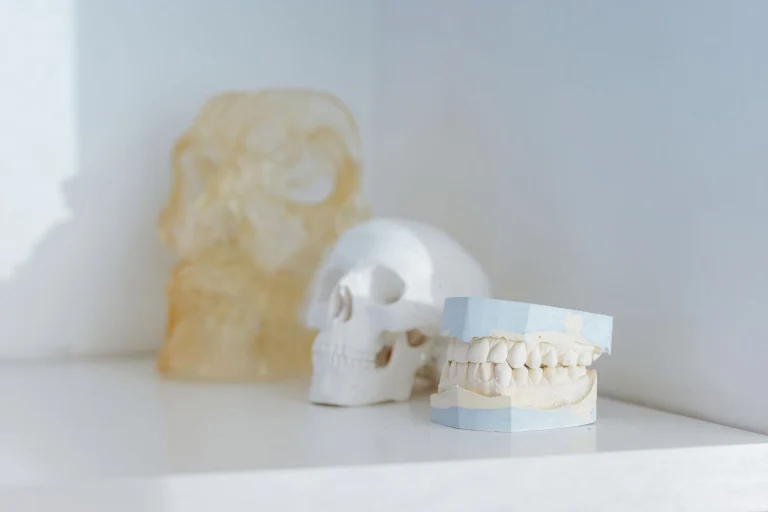
Every implant plan starts with a full exam, a talk about your health history and a clear picture of your bone. Dr. Haywood listens to what you need and explains every option, using videos, photos and models where they help.
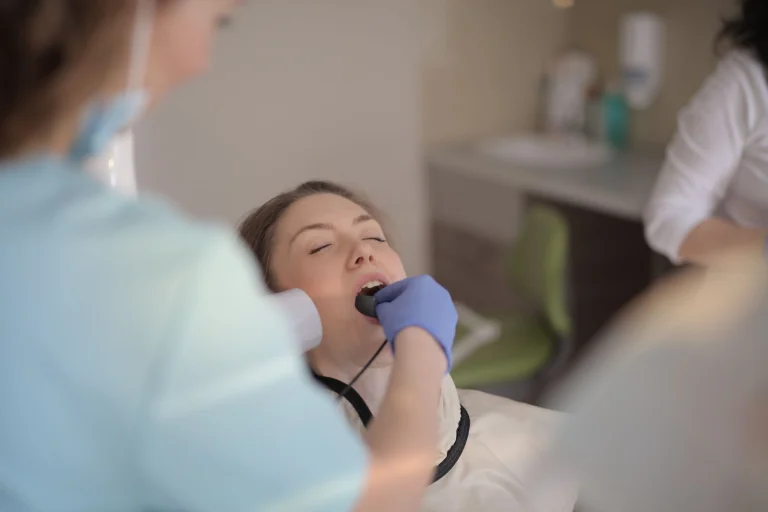
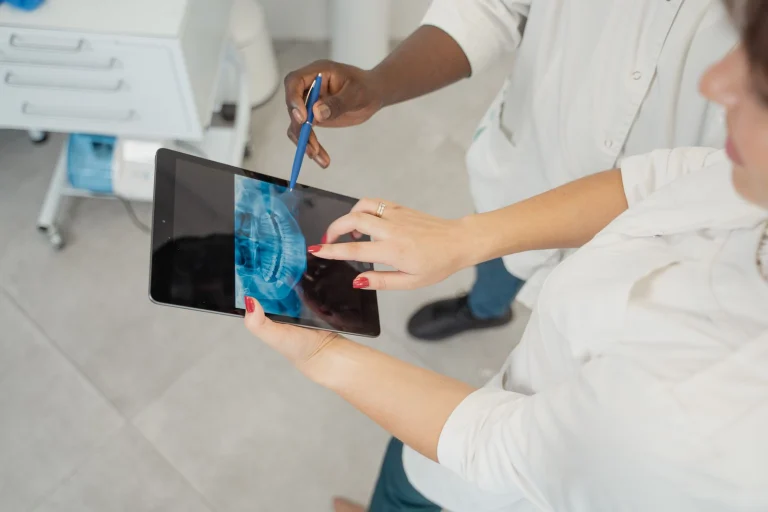
The key test is a cone beam CT scan. The practice uses a low-dose Green CT scanner that takes no longer than a panoramic X-ray. Within minutes, the software shows the quantity and quality of your jawbone, and your implant can be placed virtually on screen first. If you need bone grafting, you’ll know at that same visit, which means no surprises later in your treatment plan.
You leave with a plan for your own case and what it costs. For what drives that fee, read how much dental implants cost in Timonium.
Step 2: tell the practice about your health and medications
Before any surgical treatment, it is important that the practice knows about existing medical conditions, such as high blood pressure, diabetes, rheumatic fever, artificial joints or heart valves. It is just as important to share the medications you take, including aspirin, anticoagulant (blood-thinning) therapy, heart medications and any other prescription or over-the-counter medicines. You can complete your medical history online before your visit; see new patient information.
Two other things affect implant success. Active gum disease is treated before implants are placed. And smokers can have implants, though they are somewhat less successful, so this is a good time to talk openly about smoking. After surgery, smoking has to be avoided because it can dislodge the protective blood clot and delay healing.
Step 3: if your plan includes an extraction or a bone graft
If a damaged tooth has to come out, the implant can often be placed immediately, at the time of the extraction. If your scan shows the bone is too thin, grafting can often build it back up.
A bone graft is made of many fine particles, and it is normal to notice a few small granules in your mouth for the first several days. To keep as much of the graft in place as possible, don’t rinse vigorously or spit for the first 3 to 5 days, don’t press on the area with your tongue or fingers, and don’t pull your lip back to look at the stitches. Some stitches dissolve on their own; others have to be removed at the office.
Step 4: if guided surgery is part of your plan
When bone is limited, a precise angle is needed or several implants must line up, your implant plan can be turned into a 3D-printed surgical guide, approved by Dr. Haywood before surgery. Making the guide takes about 2–3 weeks after your treatment plan is accepted, so allow for that in your schedule. Not every implant needs a guide. Read about computer-guided implant surgery.
Step 5: choose your comfort level and arrange a ride
If you are nervous, say so at your consultation. There are two levels of sedation to choose from:
- Laughing gas is breathed through a nasal mask and offered as a complimentary service. You should feel fully alert afterward and can drive yourself home.
- Oral conscious sedation is a pill taken about an hour before your appointment. It lasts several hours, so someone needs to drive you to and from your visit.
If you are sedated for surgery, the effects can stay with you for several hours: don’t drive or operate machinery for the rest of the day. The medications also help reduce your memory of the surgery. See sedation dentistry.
A checklist for the days before implant surgery
- Confirm your ride home if you are having oral sedation.
- Stock soups and soft foods that are easy to chew and swallow, and plenty of fluids.
- Have ice bags or cold packs ready in the freezer for swelling.
- Pick up any prescriptions you were given, and make sure your medication list is up to date with the office.
- Plan a quiet day: no exercise for the first 24 hours after surgery.
- Keep some salt on hand for gentle rinses from the day after surgery.
- Write down any last questions, and call (410) 453-9399 if anything about your health has changed.
On the day: what to expect
The implant is placed in the position planned from your scan. When a front tooth or a full arch is involved, temporary teeth can be placed so you can smile and chew comfortably while the implants heal; a back tooth is often left without a temporary. You will probably leave the office with wet gauze over the surgical site. Pain after an implant procedure is described as negligible.
The first 24 hours at home
- Bleeding: keep pressure on the gauze for 30 minutes, then wash your hands and remove it. A little bleeding is normal. If it continues, use the extra gauze and press for another 20 minutes, repeating if needed. If bleeding persists, press a moistened tea bag on the area for 20 minutes.
- Food and drink: a nutritionally balanced soft diet with plenty of fluids. The practice’s blog has ideas on what to eat after dental implant surgery.
- Protect the clot: no straws, vigorous rinsing, smoking or alcohol.
- Rest: avoid exercise, which can increase bleeding, then start back slowly based on how you feel.
- Swelling: ice bags help with pain and keep swelling and bruising down.
- Nausea: if it occurs, take an ounce of a carbonated drink every hour for 5–6 hours, with some crackers.
- Medications: take them as directed, and call the office if an allergic reaction develops.
The days and weeks after
From 24 hours after surgery, rinse gently with lukewarm salt water 3–4 times a day. Leave the implant undisturbed in the bone while it heals: avoid chewing directly on it, and don’t touch it with your tongue or fingers. Small bone fragments sometimes work their way out of the site during healing; if one is sharp or painful, call for an appointment, as they are generally easy to remove.
After an upper implant or a sinus graft, avoid blowing your nose for 8 days, and sneeze with your mouth open. Call the office if numbness lasts longer than 12 hours, or if you notice an elevated temperature or excessive swelling. Full instructions are on the post-op instructions page.
From healing to your final tooth
Implants need at least 6–8 weeks of healing after surgery before a single tooth is restored, and full integration into the bone takes longer than that. From your first visit to your finished tooth, the whole process can take several months, and longer if grafting comes first. Once the implant has integrated, the abutment and crown complete your new tooth. See single tooth implants, or for a full arch, full mouth dental implants: fixed or snap-on.
Paying for implant treatment
The practice is out of network with all dental insurance companies. You pay at the time of your visit, and the office files the claim on your behalf so your plan can reimburse you for what it covers. Health savings and flex plans are welcome. If the cost is what is holding you back, CareCredit offers no-interest options for up to 12 months and Cherry offers payment plans from 3 to 24 months, and both offer quick online pre-approval before your surgery date. Compare financing options.
Frequently asked questions
Does dental implant surgery hurt?
Pain after an implant procedure is described as negligible. Ice bags help with any soreness and swelling, and your medications should be taken as directed.
Can I drive myself home after implant surgery?
Yes, if you had laughing gas only. After oral sedation, you need someone to drive you, and you shouldn’t drive or operate machinery for the rest of the day.
When can I exercise again?
Avoid exercise for the first 24 hours, because it can increase bleeding. After that, start back slowly based on how you feel.
Will I have a gap while my implant heals?
Not always. A temporary tooth can sometimes be made, especially where it shows, and temporary teeth are used with full-arch implants. A back tooth is often left unrestored while it heals, which can also reduce the overall expense.
Book your implant consultation in Timonium
Dr. Steven W. Haywood, DDS is a Fellow of the International Congress of Oral Implantologists, with over 35 years of experience, and every phase of implant care happens in one office. To start getting ready, learn more about dental implants in Timonium, request an appointment or call (410) 453-9399. The office is at 108 W Timonium Rd, Ste 200, Timonium, MD 21093.
Ready to see your future smile?
Planning an implant? Book your consultation and 3D scan in Timonium.