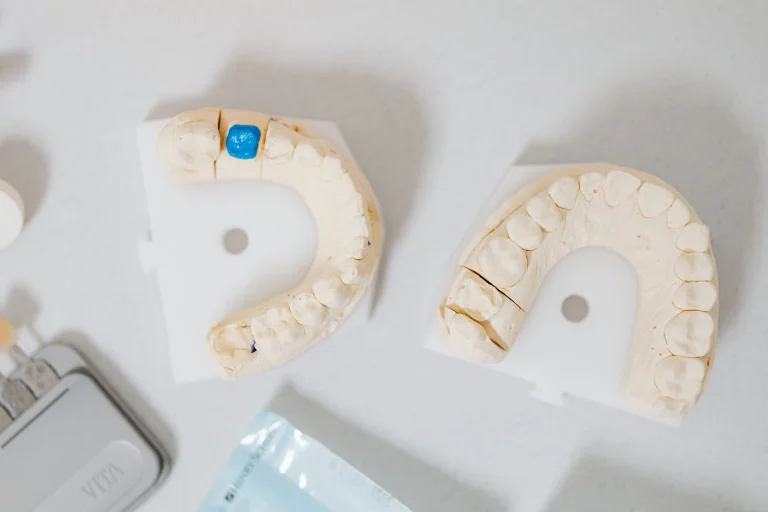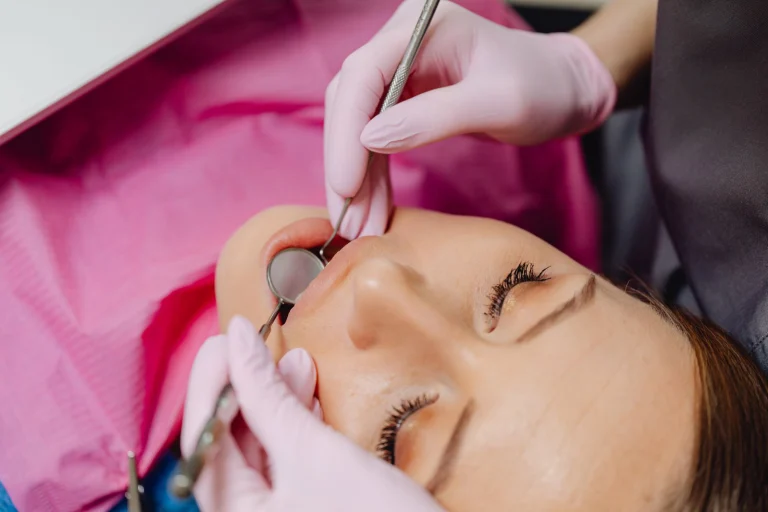
Fluoride is a mineral that is widely used to help teeth resist decay. It works mainly at the surface of the enamel, where it is understood to join the natural process that replaces minerals lost to acid, making that surface more resistant to future acid attacks. That is why it appears in so many toothpastes and community water supplies. Some people, though, prefer a fluoride-free approach, and the office of Dr. Steven W. Haywood, DDS in Timonium offers calcium rebuilding treatments for anyone who prefers to avoid fluoride.
This guide answers the question “what can fluoride do for you?” in plain terms, then turns to the practical side: how to protect your enamel at home without fluoride, what home care can’t do on its own, and where the practice fits in.
What is fluoride?
Fluoride is a naturally occurring mineral found in water, soil and some foods and drinks. Many communities adjust the fluoride content of their public water, and it is added to most toothpastes and many mouth rinses. Dental offices that use it also apply it in stronger forms, such as varnishes and gels.
If you want to know whether fluoride is added to your own tap water, your local water utility can tell you. Private well water varies and isn’t adjusted.
How fluoride works on teeth
The daily tug-of-war over minerals
Tooth enamel is mostly mineral, and it is never completely still. Every time you eat or drink something with sugar or starch, bacteria in plaque produce acids that pull minerals out of the enamel surface. This is called demineralization. Between meals, saliva neutralizes the acid and puts minerals back, a process called remineralization.
When the balance tips toward mineral loss for long enough, the enamel weakens. An early weak spot can sometimes look like a chalky white patch. If mineral loss keeps winning, the surface eventually breaks down, and a cavity forms.
Where fluoride comes in
Fluoride is used because it is understood to take part in remineralization, helping the rebuilt enamel surface hold up better against acid. That is the main reason many dentists and public health organizations recommend it.
The other side of the balance
Fluoride is only one factor in that tug-of-war. How often you eat and sip, how well plaque is removed, how much saliva you have and whether deep grooves trap food all affect which side wins. A fluoride-free routine focuses on those factors.
Why some people choose fluoride-free options
People choose to avoid fluoride for different, personal reasons. Some prefer a holistic approach to their health, some want to limit what they use every day, and some simply want to understand their choices. As part of its holistic approach, the practice offers fluoride-free options and avoids mercury, nickel and bisphenol plastics. Whatever your reason, a fluoride-free routine asks a little more of your other habits. Learn about holistic dentistry at the practice.
A fluoride-free routine at home
1. Remove plaque gently and thoroughly
Plaque is where the acid comes from, so removing it is the foundation. Brush gently twice a day with a soft brush, paying attention to the gumline, and don’t scrub. Harder brushing doesn’t mean cleaner teeth. Read smart brushing beats aggressive brushing.
2. Clean between your teeth every day
A toothbrush can’t reach between teeth, where decay often starts. Floss, floss picks or a water flosser all help. Compare floss picks and regular floss, or read why a water flosser might be a good idea.
3. Watch how often, not just how much
Each snack or sweet drink starts a new round of acid. Sipping a sweetened coffee or soda over a whole morning keeps enamel under attack far longer than having the same drink with a meal. Grouping treats with meals and drinking water between them gives saliva time to do its work. Read a dentist’s guide to sweets and acidic foods and your tooth enamel.
4. Keep saliva flowing
Saliva is your mouth’s own remineralizing system. Drink water through the day, and if your mouth often feels dry, mention it at your visit, since medications and dry mouth can set the stage for root decay. Read why dry mouth is dangerous for your teeth.
5. Try xylitol
Xylitol mints and lollipops help reduce decay risk, and they are an easy habit to add after meals or snacks when you can’t brush.
6. Choose a toothpaste you’re comfortable with
Fluoride-free toothpastes are widely available. Ingredients vary a great deal between brands, so bring yours to your next visit, or ask the team for help choosing a toothpaste that fits a fluoride-free approach and your own teeth.
What home care can’t do on its own
Even an excellent routine has limits. Plaque left behind hardens into tartar, which only professional instruments can remove. The deep pits and grooves on chewing surfaces can trap bacteria no brush reaches. And early mineral loss often causes no symptoms at all.
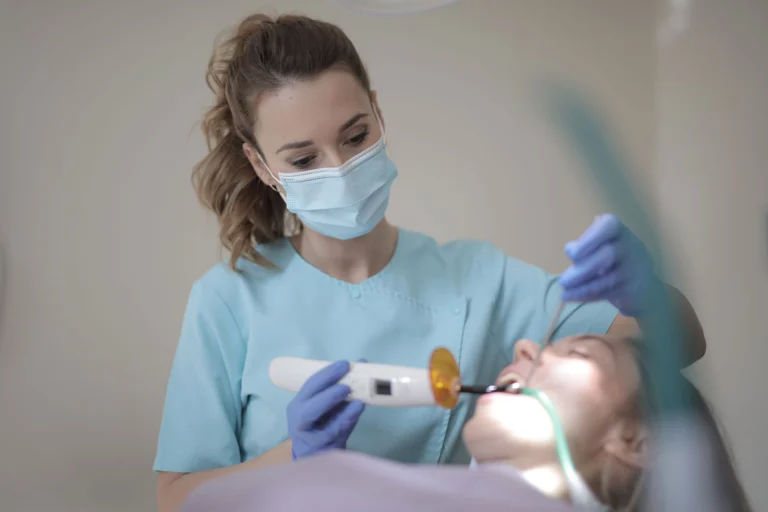
That is where the practice’s fluoride-free preventive options come in:
- Calcium rebuilding treatments help strengthen enamel for patients of all ages, in place of fluoride treatments.
- Super sealants completely seal the chewing surfaces and all the pits and fissures of adult and children’s teeth, so bacterial byproducts and simple sugars can’t be harbored there. The practice offers a lifetime warranty.
- 60-minute cleanings give the hygienist time to remove plaque and tartar thoroughly. A professional cleaning every six months is recommended.
- DIAGNOdent laser detection can find decay at its earliest stages, sometimes before it shows on an X-ray.
For how in-office fluoride treatments compare with these options, read fluoride treatment for adults and kids.
Fluoride-free habits for children
Children need the same basics, with more help. Brush for young children and supervise older ones until they clean well on their own, keep sweet drinks to mealtimes, and ask about sealants for their back teeth. Read how to prevent cavities in children and mouthwash for kids.
Paying for preventive care
The practice is out of network with all dental insurance providers. You pay at the time of your visit, and the office files the claim on your behalf so your plan can reimburse you for whatever it covers. Health savings and flex plans are welcome, and financing is available through CareCredit, with no-interest options for up to 12 months, and Cherry, with plans from 3 to 24 months. See financing options.
Frequently asked questions
What can fluoride do for you?
Fluoride is widely used to help enamel resist the acids that cause tooth decay. It is understood to take part in the natural process that restores minerals to the enamel surface. For anyone who prefers to avoid fluoride, the practice offers calcium rebuilding treatments to help strengthen enamel instead.
Is a fluoride-free routine enough to prevent cavities?
It depends on your mouth. Diet, saliva, gum health, existing dental work and how well you clean all affect your risk. Regular checkups show how your routine is working, and Dr. Haywood can suggest what to add.
Can weakened enamel be strengthened without fluoride?
The practice offers non-fluoride calcium rebuilding treatments aimed at strengthening enamel for patients of all ages. Whether they suit your teeth is something Dr. Haywood can assess at your visit.
Does the practice use fluoride at cleanings?
No. Fluoride is optional here: patients who prefer to avoid it can have calcium rebuilding treatments instead. Calcium rebuilding treatments, super sealants and xylitol mints and lollipops are offered instead.
Talk to Dr. Haywood about fluoride-free care
If you want a preventive plan without fluoride, or want to understand your options, book a visit. Request an appointment or call (410) 453-9399. The office of Dr. Steven W. Haywood, DDS is at 108 W Timonium Rd, Ste 200, Timonium, MD 21093, serving Timonium, Towson, Lutherville, Cockeysville and Baltimore. Learn more about general dentistry and preventive care.
Ready to see your future smile?
Build a fluoride-free preventive plan with Dr. Haywood in Timonium.