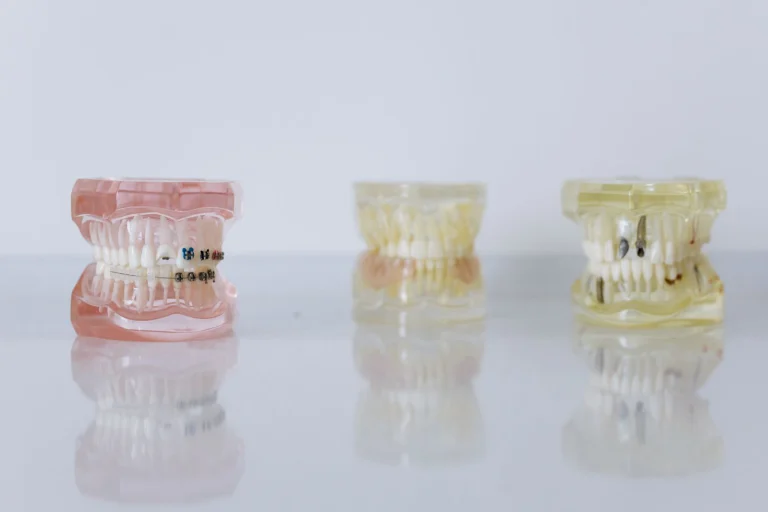
The best tips from your dentist and hygienist come from what they see at the chair every day: the spot everyone misses when brushing, the gums that bleed because they get skipped, the medication that quietly dries out a mouth. Put simply, they would tell you to clean your gumline and between your teeth every day, speak up about medications and nerves, ask to see what they see, protect your teeth from grinding, and keep your cleanings on the calendar. Here are those ten tips in more detail, and how to get the most out of every visit.
This guide comes from the Timonium office of Dr. Steven W. Haywood, DDS, where cleaning appointments last a full 60 minutes and experienced hygienists take the lead on gum care.
Top 10 tips from your dentist and hygienist
1. Don’t cram before your cleaning
Brushing and flossing extra hard the night before a visit won’t hide much. Gums that have been skipped for weeks tend to stay tender and bleed easily, even after one careful evening. A steady daily routine is what actually shows up as healthy gums, and it gives your hygienist a true picture of how your mouth is doing.
2. Tell the team about every medication and supplement
Some medications affect your mouth, and some affect your care. Let the team know what you take, including aspirin, blood thinners, heart medications and anything over the counter, as well as conditions such as high blood pressure or diabetes. Many medications can also cause dry mouth, which raises the risk of decay. Update the list whenever it changes.
3. Speak up about nerves or sensitivity before you start
You don’t have to grit your teeth through a visit. If you are anxious, tell the team when you book or when you sit down. Laughing gas is offered as a complimentary service, and the spa-like office includes paraffin wax hand treatments and aromatherapy. If a tooth is sensitive, say so, and ask for a pause if you need one. See sedation dentistry.
4. Ask to see what they see
It is hard to fix a problem you can’t see. At the practice, digital X-rays appear on screen right away, and intraoral cameras zoom in on each section of your mouth, so you can see exactly where tartar is building up or a filling is wearing. Seeing it makes the advice easier to follow. See dental technology in Timonium.
5. Learn what your gum measurements mean
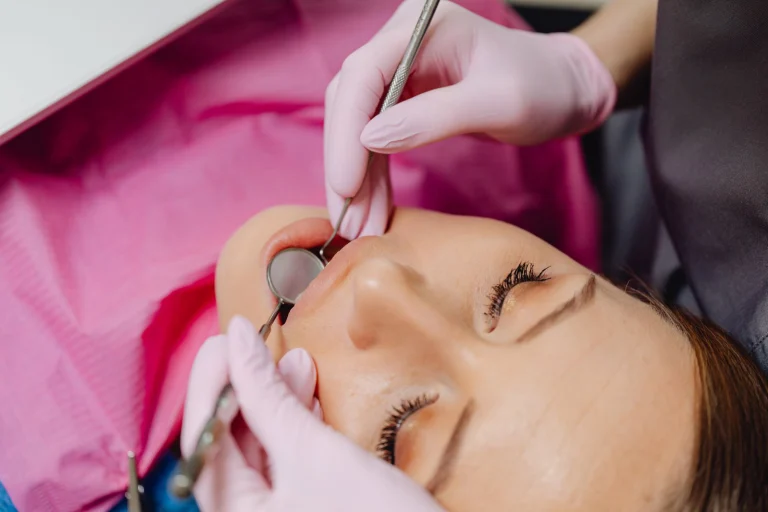
During a check-up, the hygienist gently measures the space between your gums and teeth. Shallow, firm pockets that don’t bleed are a sign of healthy gums, while deeper pockets that bleed can signal infection. Ask which areas need more attention and whether anything has changed since your last visit.
6. Floss the spots that bleed, not around them
If an area bleeds, it is natural to avoid it, but bleeding usually means that spot needs more gentle cleaning, not less. Bleeding that doesn’t settle with regular cleaning, or gums that are swollen or pulling back, should be checked. Read bleeding gums after your 6-month cleaning?
7. Brush the gumline, gently
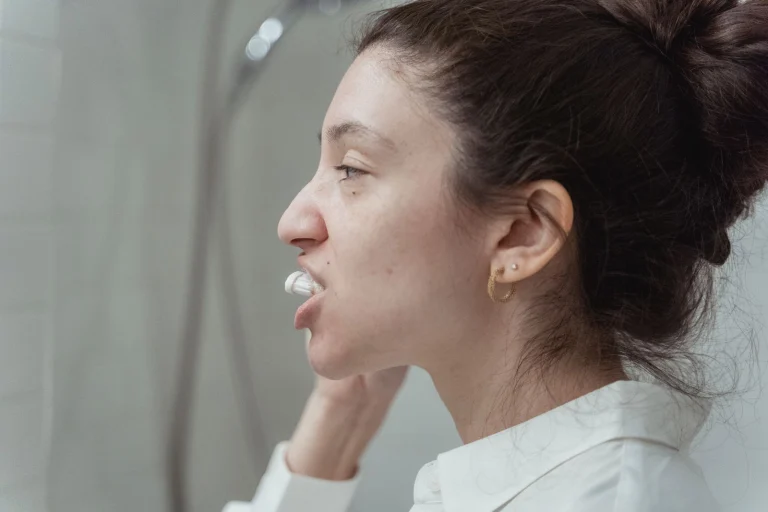
Plaque builds up where the teeth meet the gums, and it is the area most often missed. Tilt a soft-bristled brush toward the gumline and use small, gentle strokes. Don’t forget the back of your last molars and the inside of your lower front teeth, where tartar likes to form. Read 3 tips to make brushing count.
8. Clean between your teeth once a day, at a time you’ll keep
Your brush can’t reach the sides of teeth where they touch. Pick one time a day you can stick with, whether that is morning, lunch or bedtime. If string floss is a struggle, floss picks, interdental brushes and water flossers can help. Read 5 ways to floss daily, even on busy days.
9. Watch how often you have sugar, not just how much
Sipping a sweet drink all morning or grazing on snacks keeps your teeth under constant acid attack. Enjoy sweets with meals, drink water between them, and choose sugar-free for anything that dissolves slowly. Read beware of hidden sugar in your daily habits.
10. Protect your teeth at night if you grind
Grinding slowly wears down and cracks enamel, often without you noticing. Flattened edges, chips and jaw soreness in the morning are clues your dentist and hygienist look for. Comfortable, clear bite guards custom-made for you help protect your teeth from further wear.
What your hygienist notices that you might not
Hygienists see your mouth up close, with good light and the right tools. During a cleaning, they may notice:
- Tartar in the usual hiding places, such as behind the lower front teeth and along the gumline of the back teeth
- Early gum recession or areas that bleed easily
- Wear on the edges of your teeth that points to grinding
- Staining from coffee, tea, red wine or tobacco
- Dryness that may be linked to medications or mouth breathing
- Changes in the soft tissues of your cheeks, tongue and throat
- Worn or chipped fillings that may need attention
Anything found is shared with Dr. Haywood, who evaluates your teeth and gums and explains your options.
Questions worth asking at your next cleaning
- Where am I missing plaque when I brush?
- Which areas of my gums bleed or measure deeper than they should?
- Is there any sign I grind or clench my teeth?
- Do any of my medications seem to be drying out my mouth?
- Are any of my fillings or crowns showing wear?
- Which tool would clean between my teeth best?
- Is there anything I should watch for before my next visit?
Keep your visits on the calendar
A professional cleaning every six months is recommended, because regular cleanings remove the plaque and tartar that daily brushing and flossing may miss. Your check-up includes an oral cancer screening, and the office recommends that all patients over eighteen be screened every year. Booking your next cleaning before you leave is the easiest way to stay on schedule. Read how often should you get a dental checkup?
If gum disease is found, experienced hygienists take the lead with non-surgical care, including scaling and root planing, periodontal maintenance and oral DNA testing to identify the bacteria involved. The practice strives for zero bleeding and zero infection. See dental cleanings and preventive care and gum disease treatment.
Paying for your visit
The practice is out of network with all dental insurance providers. You pay at the time of your visit, and the office files the claim on your behalf so your plan can reimburse you for whatever it covers. Health savings and flex plans are welcome, and financing is available through CareCredit, with no-interest options for up to 12 months, and Cherry, with plans from 3 to 24 months. See financing options.
Frequently asked questions
Can my hygienist tell if I only flossed the night before?
Often, yes. Gums that are cleaned every day tend to be firm and bleed less, while gums that are cleaned only occasionally stay tender and bleed easily, even after a last-minute floss.
Why does my hygienist ask about my medications?
Some medications affect bleeding, healing or your treatment plan, and many can cause dry mouth, which increases the risk of decay. Knowing what you take helps the team care for you safely.
Is it okay to ask for a break during a cleaning?
Yes. Let your hygienist know before you start how you’d like to signal for a pause. If nerves make visits hard, ask about laughing gas, which is complimentary.
How long is a cleaning appointment at the practice?
Cleaning appointments last a full 60 minutes, which gives your hygienist time to remove plaque and tartar thoroughly and check the health of your gums.
Put these tips to work with a visit in Timonium
Bring your questions to your next cleaning and leave with a plan for your own teeth and gums. Request an appointment or call (410) 453-9399. The office of Dr. Steven W. Haywood, DDS is at 108 W Timonium Rd, Ste 200, Timonium, MD 21093, serving Timonium, Lutherville, Cockeysville, Towson and Hunt Valley. See general dentistry in Timonium.
Ready to see your future smile?
Bring your questions to a 60-minute cleaning in Timonium.