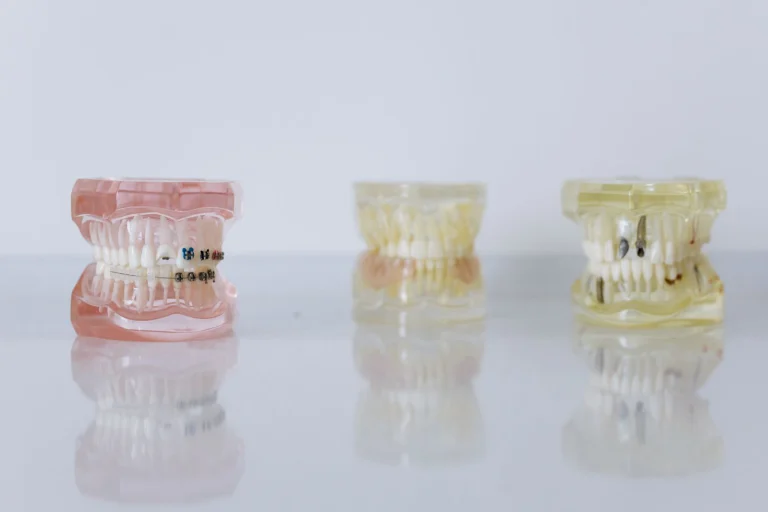

If a filling or crown falls out, don’t panic and don’t throw anything away. Save the crown or any pieces, rinse your mouth gently, avoid chewing on that side, and call your dentist as early in the day as you can. A lost filling or crown is usually not a middle-of-the-night emergency, but the tooth underneath is exposed and more likely to break or decay, so it should be seen soon. If you have swelling, severe pain or signs of infection, call right away.
This guide from the Timonium office of Dr. Steven W. Haywood, DDS explains what to do in the first hours, what changes if the tooth had a root canal or a temporary crown, why fillings and crowns come out, and what happens when you come in.
What to do right away
- Keep what came out. If a crown came off whole, rinse it and keep it in a small container or bag. Bring it with you, since it can sometimes be put back on. Pieces of a filling can’t be reused, but it is fine to bring them.
- Rinse gently. Warm salt water can soothe the area and clear away food.
- Look, but don’t poke. Note whether the tooth looks broken, whether there is a sharp edge, and whether anything else seems loose.
- Protect the tooth. Chew on the other side and avoid sticky, hard, very hot or very cold foods.
- Call the office. Call (410) 453-9399, early in the day if possible, so the practice can fit you in around scheduled patients.
What not to do
- Don’t use household glue or superglue to reattach a crown. It can damage the tooth and the crown and make proper re-cementing harder.
- Don’t leave the problem for weeks because the tooth doesn’t hurt. An exposed tooth can decay or crack without pain.
- Don’t chew hard food on the tooth, even if it feels fine.
Is a lost crown or filling an emergency?
At the practice, a broken temporary or permanent crown, or a simple toothache, is usually best handled at the next available appointment. It is still worth calling, because the team can talk you through any questions. Call right away if you have:
- Swelling in your face or gums
- Severe or throbbing pain
- A tooth that cracked along with the filling or crown
- Signs of an abscess, such as pain that comes and goes when you chew
Dr. Haywood is available anytime for true dental emergencies for existing patients and their friends and families. New patients with emergency needs can be seen on weekdays during normal business hours, based on availability. Office hours are Monday 8:30 AM–6:30 PM, Tuesday 8:30 AM–5 PM, Wednesday 8:30 AM–3:30 PM, Thursday 8:30 AM–4:30 PM and Friday 8:30 AM–4 PM; the office is closed on weekends. See emergency dental care.
If a temporary crown comes off
Temporary crowns are made to come off easily, so this is common. Put a little Fixodent, available at any pharmacy, inside the temporary, place it back on the tooth and call the office during business hours to have it re-cemented. Don’t leave the temporary off, even if the tooth feels fine. Without it, your teeth can move and the permanent crown or bridge may no longer fit. To help it stay put, avoid sticky foods such as caramel and chewing gum, and pull floss out the side instead of popping it up through the contact. Read same-day crowns or two visits? for more about the crown process.
If a root canal filling fell out before your crown
Between root canal appointments, and until the permanent crown is placed, the tooth is protected by a temporary filling or crown.
A little wearing away is common
It is common for a small portion of a temporary filling to wear away or break off between appointments, and you may notice a bad taste. That alone is usually not a cause for alarm.
If the whole filling or temporary crown comes out
If the entire temporary filling falls out or a temporary crown comes off, call the office so it can be replaced. A tooth is very fragile after root canal treatment, so avoid sticky and hard foods and don’t chew on that side until the permanent crown is placed. At the practice, every root canal is finished with a porcelain crown, which protects the tooth from breaking and helps keep it from being re-infected. See root canals.
What about a “screw” that fell out?
Some teeth that have had a root canal have a small post placed inside the root to help hold the filling material that supports a crown. If what came out looks like a small pin or screw, save it, don’t try to put it back, and call the office. The tooth will need to be examined to see what support it still has.
Why fillings and crowns come out
- Decay underneath. A filling or crown edge that wears or pulls away can let decay develop underneath, and the restoration loses its grip.
- Age and wear. Over time fillings can wear away, fracture or fall out.
- Sticky foods. Caramel, taffy and gummy candy can tug on dental work, especially older fillings and temporary crowns.
- Cracks. A tooth with tiny cracks can lose part of a filling along with a piece of tooth.
- Grinding and clenching. Grinding wears teeth and dental work and can crack them.
What happens at your visit
If you haven’t seen a dentist recently, the standard of care calls for the necessary X-rays and a thorough exam before treatment. Dr. Haywood then explains your options based on what they show.
- Re-cementing a crown. If the crown and the tooth underneath are sound, the crown may be cleaned and bonded back on.
- A new filling. A lost filling is replaced with a tooth-colored, mercury-free composite, completed in a single visit. The practice never uses amalgam.
- An inlay or onlay. If a large filling came out and left the tooth weak, a bonded inlay or onlay can restore strength while keeping more healthy tooth than a crown. See inlays and onlays.
- A new crown. If decay or a break means the old crown can’t go back on, a new porcelain crown is made in two appointments, with a temporary in between. See are you an ideal candidate for a dental crown?
- Root canal therapy. If decay has reached the nerve, a root canal can save the tooth.
- Replacing the tooth. Extraction is rarely needed today, but when a tooth can’t be saved, your options for filling the gap are discussed.
How to keep it from happening again
- Brush and clean between your teeth daily, paying attention to the edges of fillings and crowns.
- Go easy on sticky candy and don’t chew ice.
- Ask about a custom bite guard if you grind your teeth.
- Keep regular checkups, so worn edges are found before something comes loose.
Paying for repairs
The practice is out of network with all dental insurance companies. You pay at the time of your visit, including emergency care, and the office files the claim on your behalf so your plan can reimburse you for what it covers. Health savings and flex plans are welcome, and financing is available through CareCredit, with no-interest options up to 12 months, and Cherry, with plans from 3 to 24 months. See financing options.
Frequently asked questions
Can I glue my crown back on myself?
Not with household glue. For a temporary crown, a little Fixodent can hold it until the office re-cements it. For a permanent crown, keep it safe and call the office.
How long can I wait after a filling falls out?
Call as soon as you can. Without pain it is usually not an emergency, but the exposed tooth can decay or crack, so it should be seen at the next available appointment.
Can a crown that fell off be reused?
Often, if the crown is intact and the tooth underneath is healthy. An exam and X-rays show whether it can be re-cemented or a new crown is needed.
My temporary filling after a root canal is wearing away. Is that a problem?
A small amount wearing away is common. If the entire filling falls out, call the office so it can be replaced, and avoid chewing on that side.
Get your tooth repaired in Timonium
If a filling or crown has come out, request an appointment or call (410) 453-9399 early in the day. The office of Dr. Steven W. Haywood, DDS is at 108 W Timonium Rd, Ste 200, Timonium, MD 21093, and patients come from Timonium, Cockeysville, Hunt Valley, Towson and Baltimore. Learn more about restorative dentistry.
Ready to see your future smile?
Lost a filling or crown? Call the Timonium office early in the day.