The fastest way to give your gum health a boost is to clean the gumline and between your teeth every day, have plaque and tartar professionally removed, and deal with the things that quietly work against your gums, such as smoking, dry mouth and blood sugar that isn’t under control. Gums that are simply inflamed often recover well with that combination. Gums that have already lost support can be protected and kept stable, but what has been lost doesn’t grow back on its own, which is why the best time to act is now.
This guide from the Timonium office of Dr. Steven W. Haywood, DDS explains what you can realistically regain, how to check your starting point, the daily and whole-body habits that support your gums, and when you need professional care to get them back on track.
Can you regain full gum health?
It depends on how far gum problems have gone. Gum disease moves through stages, and what you can recover changes at each one.
Early gum inflammation: often reversible
In the earliest stage, called gingivitis, plaque along the gumline irritates the gums. They may look red or puffy and bleed when you brush or floss, but the bone and tissue holding your teeth are still intact. With thorough daily cleaning and a professional cleaning, the early stages of gum disease can be controlled and even reversed.
Periodontitis: controlled and managed
If the infection continues, it can move below the gumline and begin to break down the support around your teeth, forming deeper pockets between the gums and teeth. At this stage, gum infection that is caught early and treated as a serious infection can be managed and controlled, but it is never completely cured. Ongoing periodontal maintenance keeps it in check.
Receded gums and lost bone: protect what remains
Gum tissue and bone lost to gum disease don’t regrow on their own. The goal becomes stopping the infection so you keep the support you still have. If recession bothers you, ask about your options at your visit.
So “full gum health” means different things for different people. For some, it means gums that no longer bleed at all. For others, it means gum disease that is stable and under control. Both are worth working toward. Read danger zone: 5 warning signs of gum disease.
Check your starting point
Before you can boost your gum health, it helps to know where it stands. Healthy gums are firm, fit snugly around each tooth and don’t bleed when you brush or floss. Gum color varies naturally from person to person, so changes matter more than any single shade.
Signs your gums need attention include:
- Bleeding when you brush or floss
- Sore, swollen or tender gums
- Bad breath or a bad taste that keeps coming back
- Teeth that look slightly longer because the gums have receded
- Tooth sensitivity or painful chewing
- Pus around the gumline
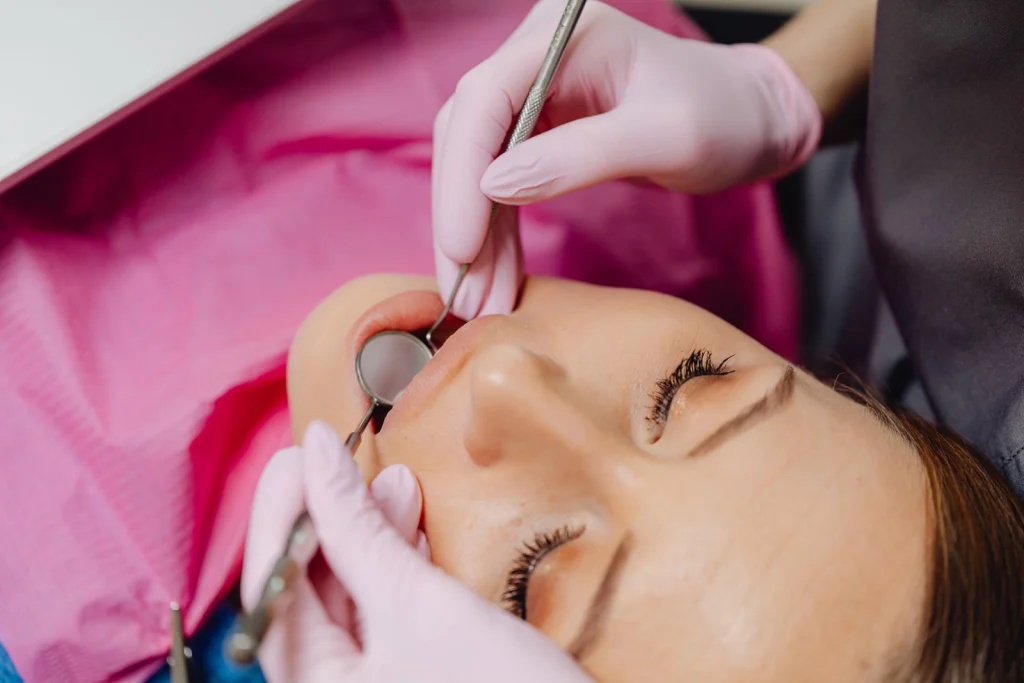
On their own, these symptoms don’t necessarily mean you have gum disease, but they are a good reason to have your gums checked. Only a professional exam can measure the pockets around your teeth, which is how gum disease is actually diagnosed.
Daily habits that give your gums a boost
Aim your toothbrush at the gumline
Plaque that irritates gums collects right where the teeth meet the gums. Angle a soft-bristled brush toward the gumline and use small, gentle strokes. Scrubbing hard doesn’t clean better and can push gums back. Read smart brushing beats aggressive brushing.
Clean between every tooth, every day
A toothbrush can’t reach the sides of teeth where they touch, and that is where gum problems often start. Floss, floss picks, interdental brushes and water flossers can all help. Read 5 ways to floss daily, even on busy days.
Don’t avoid the spots that bleed
It is natural to steer around gums that bleed, but those are the areas that most need gentle cleaning. Bleeding from plaque-irritated gums often settles as you clean consistently. If it doesn’t, have it checked.
Use a mouth rinse as a helper, not a fix
A rinse can freshen your mouth, and a prescription rinse may be part of treatment, but no rinse removes plaque the way brushing and cleaning between your teeth do. Read daily oral care solutions: rinses and gels.
Whole-body habits that support your gums
Your gums respond to more than your toothbrush. The health of your gums has been linked to serious health risks such as diabetes and cardiac disease, and several everyday factors can make gums harder to keep healthy.
Stop smoking or vaping
Tobacco and vaping are hard on gum tissue and can hide warning signs like bleeding. Quitting is one of the most powerful things you can do for your gums. Read how smoking and vaping affect your teeth and gums.
Work with your doctor on blood sugar
Diabetes and gum disease affect each other. If you have diabetes, keeping it under control with your doctor’s help supports your gums, and letting the dental team know about it helps them plan your care. Read a dentist for diabetics in Timonium.
Eat for healthy tissue
Gums are living tissue, and they need good nutrition like the rest of your body. A varied diet with plenty of vegetables, fruit and protein supports healthy tissue, and vitamin C in particular is known to matter for gums. Frequent sugary snacks and drinks, on the other hand, feed the plaque that irritates them. The practice includes nutritional therapies among the options that can be part of periodontal treatment.
Keep your mouth from drying out
Saliva helps wash away bacteria. Medications, mouth breathing and not drinking enough water can leave your mouth dry. Sip water through the day, and ask the team for help if your mouth often feels dry.
Watch for clenching and grinding
Grinding puts heavy force on teeth and their supporting tissues and wears down enamel. A comfortable, clear bite guard custom-made for you can help protect your teeth.
A step-by-step gum health reset
- Book a cleaning and gum check. Start with a clean slate and an accurate picture of your gums.
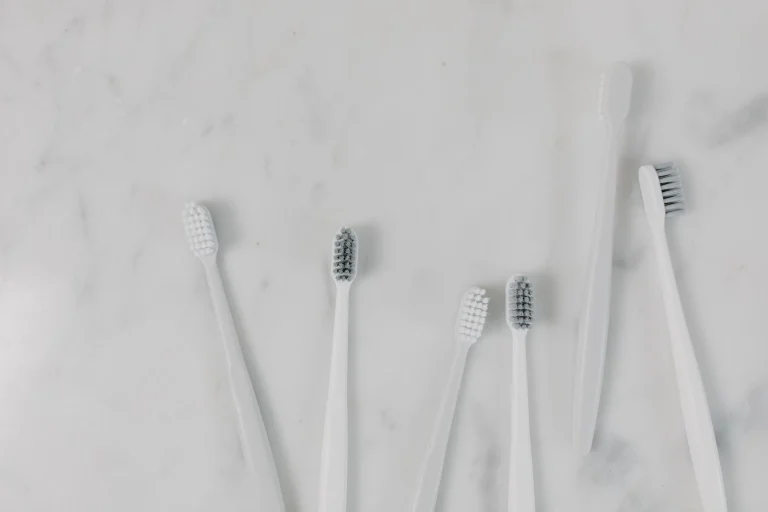
- Replace your toothbrush if the bristles are worn, and choose a soft one.
- Set a daily routine of gentle brushing twice a day and cleaning between your teeth once a day.
- Cut back on sipping and grazing on sugary drinks and snacks. Read beware of hidden sugar in your daily habits.
- Notice how your gums respond. Less bleeding over the following weeks is encouraging. Bleeding that doesn’t improve means it is time for a closer look.
- Keep your recommended visits, including periodontal maintenance if you have been treated for gum disease. Read a guide to preventing gum disease from coming back.
When your gums need a professional boost
Once tartar has formed below the gumline, or pockets have deepened, home care can’t reach the problem. At the practice, experienced hygienists take the lead with non-surgical periodontal care. Careful gum measurements come first, and oral DNA testing can identify which of the most suspected periodontal bacteria are present, so treatment is more accurate.
Scaling and root planing, a deep cleaning, removes harmful bacteria from beneath the gums. Depending on your plan, treatment may add ultrasonic and anti-microbial irrigation, site-specific antibiotics, laser therapy with the Picasso laser, laser and ozone therapy, and nutritional therapies. Periodontal maintenance and regular hygiene visits then keep the infection in check, and the practice strives for zero bleeding and zero infection. Read effective gum disease treatment: your options explained and see gum disease treatment in Timonium.
Paying for gum care
The practice is out of network with all dental insurance providers. You pay at the time of your visit, and the office files the claim on your behalf so your plan can reimburse you for whatever it covers. Health savings and flex plans are welcome, and financing is available through CareCredit, with no-interest options for up to 12 months, and Cherry, with plans from 3 to 24 months. See financing options.
Frequently asked questions
Can gums grow back?
Gum tissue and bone lost to gum disease don’t grow back on their own. Inflamed gums can often return to health with good care, and treatment can stop further loss and protect the support that remains.
How long does it take for gums to get healthier?
It varies. Many people notice less bleeding once they brush and clean between their teeth consistently, but gum disease below the gumline needs professional treatment, and ongoing maintenance keeps it under control.
Can I treat gum disease at home?
Home care is essential, and it can help reverse early gum inflammation, but it can’t remove tartar or bacteria from deep pockets below the gumline. That requires professional care such as scaling and root planing.
Does diet really affect my gums?
Yes. Gums are living tissue that depends on good nutrition, and frequent sugar feeds the plaque that inflames them. A balanced diet supports your gums, but it works alongside daily cleaning and professional care, not instead of them.
Give your gums a boost with a visit in Timonium
A cleaning and gum check show exactly where your gums stand and what will help most. Request an appointment or call (410) 453-9399. The office of Dr. Steven W. Haywood, DDS is at 108 W Timonium Rd, Ste 200, Timonium, MD 21093, serving Timonium, Lutherville, Cockeysville, Towson and Hunt Valley. See general dentistry in Timonium and dental cleanings and preventive care.
Ready to see your future smile?
Find out where your gums stand. Book a cleaning and gum check in Timonium.