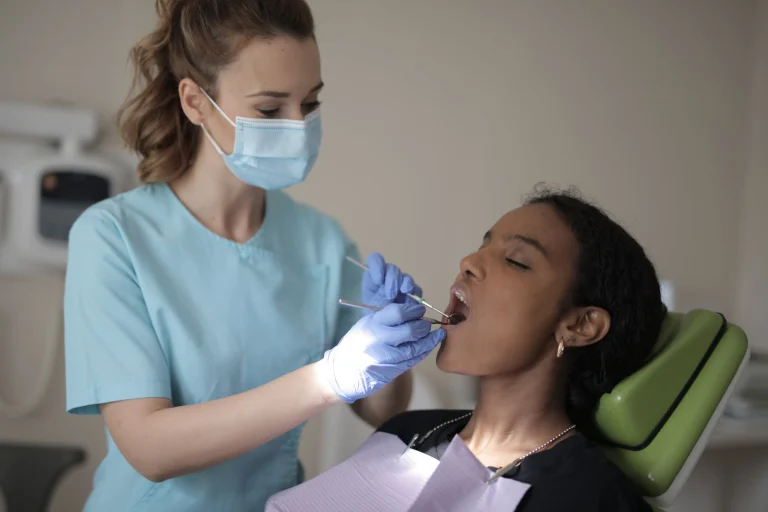
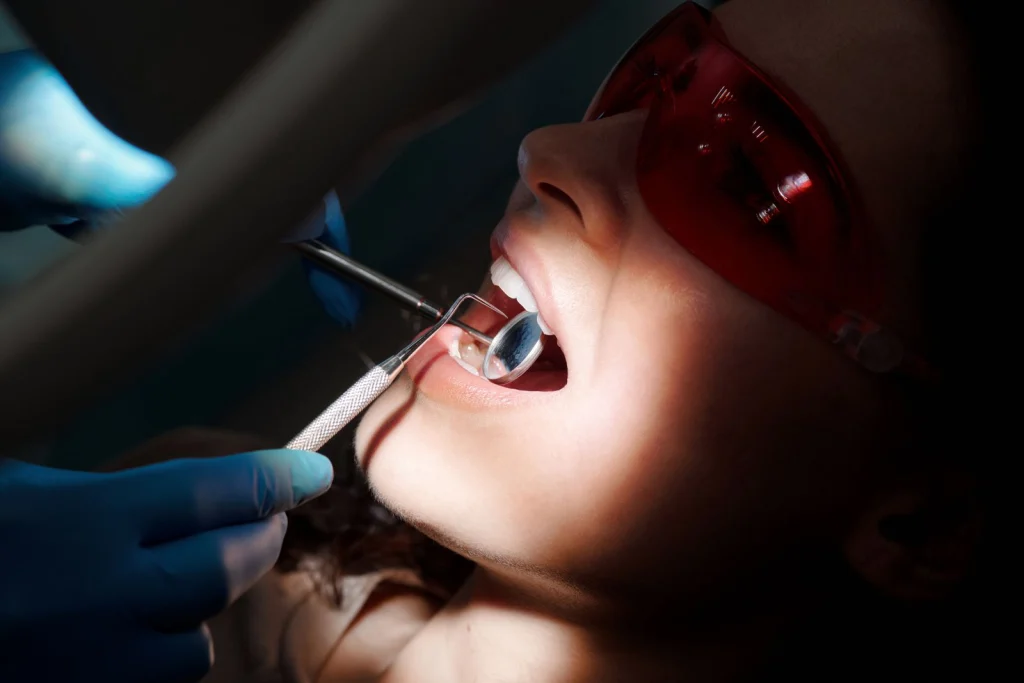
Effective gum disease treatment removes the bacteria causing the infection, gives the gums and bone a clean environment to heal in, and then keeps the infection under control with regular follow-up care. For most people that means a non-surgical deep cleaning called scaling and root planing, sometimes combined with site-specific antibiotics, antimicrobial rinses, laser therapy or ozone therapy, followed by periodontal maintenance visits. At the Timonium office of Dr. Steven W. Haywood, DDS, 98 percent of periodontal therapy is non-surgical.
This guide walks through each treatment option, how the right combination is chosen for you, what recovery feels like, and why the care you get after treatment matters as much as the treatment itself. If you are still wondering whether you have gum disease at all, start with the five warning signs of gum disease.
What makes gum disease treatment effective?
Gum disease is an infection. Plaque bacteria collect along and below the gumline, the gums become inflamed, and over time the infection can reach the tissue and bone that hold your teeth. Treatment works when it deals with that cause, not just the symptoms.
Effective treatment has three jobs:
- Remove the bacteria and hardened deposits from above and below the gumline, including the root surfaces a toothbrush can’t reach.
- Target what is left in deeper pockets or stubborn areas with antibiotics, irrigation, laser or ozone, depending on your case.
- Stop the infection from returning with a maintenance schedule and home care that fit your mouth.
How much of each you need depends on how far the disease has progressed. Treatment can control and even reverse the early stages of gum disease. More advanced gum infection can be managed and controlled, but it is never completely cured, which is why the third job never really ends.
Step one: finding out exactly what you are treating
Careful gum measurements
At the practice, the experienced hygienists take the lead on gum health. They check your gums with careful measurements of the pockets between the gums and teeth, note where the gums bleed, and look for recession and pus. Those findings show which areas are healthy, which are inflamed and which have deeper infection.
Oral DNA testing
Not every case of gum disease is driven by the same bacteria. Oral DNA testing identifies which of the 11 most suspected periodontal pathogens are present, so your condition can be treated more accurately and your plan can be personalized. For patients who want a holistic approach, this bacterial testing is a core part of treating gum disease as your own infection rather than one generic condition. Read more about the dental technology used in the office.
A plan developed with Dr. Haywood
When you are diagnosed, Dr. Haywood meets with you to develop your individual treatment plan. That conversation covers what the measurements and tests show, which treatments make sense, how many visits to expect and what each step costs.
Scaling and root planing: the foundation of treatment
Scaling and root planing, also called root debridement therapy, is a deep cleaning that removes harmful bacteria from beneath your gums. It is the treatment most plans are built on.
How a deep cleaning is done
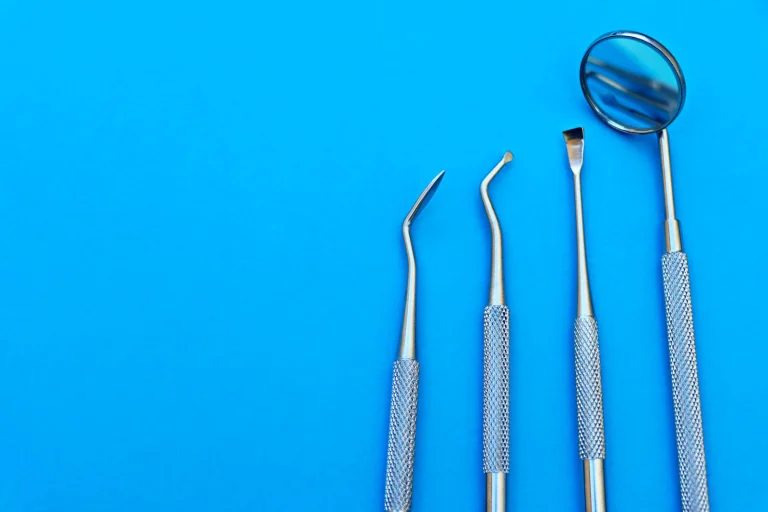
A deep cleaning is usually done in sections, with one half of the mouth cleaned in one session and the other half at a second visit. The teeth and gums are numbed first, then the teeth are cleaned with a combination of ultrasonic and hand instruments. Scaling clears plaque and tartar from the tooth and root surfaces below the gumline, and root planing smooths the roots so the gums have a clean surface to heal against.
Why it is different from a regular cleaning
A routine cleaning focuses on the teeth above and just below the gumline. A deep cleaning goes further down into the pockets that gum disease creates, which is why the area is numbed. If you want to understand where a regular cleaning fits, read do I need a dental cleaning if I brush and floss.
Treatments that can be added to your plan
Depending on your needs, your plan can combine several therapies with scaling and root planing. Not everyone needs all of them.
Irrigation and disinfectants
Ultrasonic irrigation, chemical disinfectants and anti-microbial irrigations flush bacteria from the pockets around your teeth during treatment.
Site-specific antibiotics
For deeper pockets, an antibiotic such as Arestin or Atridox can be placed directly into the pocket so it works right where the infection is. There is also a “periodontal pill,” Periostat, and traditional antibiotics when they suit your case.
Laser therapy
The Picasso laser lets the practice perform soft tissue and periodontal procedures with greater precision and comfort, and laser technology makes periodontal therapy less invasive and more comfortable. Learn more in what are the benefits of laser dentistry.
Laser and ozone therapy for a holistic approach
For patients who prefer a holistic path, laser and ozone therapy clear bacteria and infection from the gums without chemicals, which tends to mean faster healing. It pairs naturally with bacterial DNA testing. See holistic dentistry in Timonium.
Nutritional therapies
Nutritional therapies are also among the options that can be part of a periodontal plan, alongside the treatments above.
How the options compare
- Scaling and root planing: removes bacteria and deposits below the gums. Part of nearly every plan for active gum disease.
- Irrigation and disinfectants: flush the pockets during treatment. Often combined with a deep cleaning.
- Site-specific antibiotics: treat deeper pockets locally. Used where pockets stay deep or infection persists.
- Laser therapy: precise, comfortable soft tissue treatment. Used for periodontal procedures where it adds benefit.
- Laser and ozone therapy: clears bacteria without chemicals. A good fit for patients who want a holistic approach.
- Periodontal maintenance: keeps the infection in check after treatment. Recommended for everyone who has been treated.
What recovery feels like
Most people go back to their normal day after a deep cleaning. It is normal to have some sensitivity to hot and cold afterward, and your teeth may be sensitive to chewing for a little while. Your gums will be sore and may bleed.
If an antibiotic such as Arestin is placed in a pocket, the post-treatment instructions are specific: postpone brushing for 12 hours and avoid flossing and other between-the-teeth cleaners for 10 days. For one week, avoid hard, crunchy or sticky foods. After that, good home care matters more than ever: regular brushing, flossing and a mouth rinse, prescription or over the counter, as recommended. The full instructions are on the post-op instructions page.
Why follow-up care decides the result
Gum disease is a quiet disease, and a single deep cleaning is not the end of treatment. After treatment is complete, your dentist or hygienist may put you on a follow-up schedule of every 3 to 4 months. Skipping it can return your gum condition to where it started. Keeping it creates an environment for the gums and bone to heal and helps prevent further damage.
Periodontal maintenance and regular hygiene visits keep gum infection in check, and the hygienists keep monitoring your progress. The practice strives for zero bleeding and zero infection. For the habits that help between visits, read a guide to preventing gum disease after treatment.
Why treating gum disease matters
Periodontal disease is the leading cause of tooth loss in adults, and it worsens as it progresses through its stages. The health of your gums has also been linked to serious health risks such as diabetes and cardiac disease, so treating gum infection helps protect more than your smile. Untreated infection in the mouth can also spread; see the dangers of oral infections.
Paying for gum disease treatment
The practice is out of network with all dental insurance providers. You pay at the time of your visit, and the office files the claim on your behalf so your plan can reimburse you for whatever it covers. Health savings and flex plans are welcome. Financing is available through CareCredit, with no-interest options for up to 12 months, and Cherry, with plans from 3 to 24 months. See financing options.
Frequently asked questions
What is the most effective treatment for gum disease?
There is no single best treatment for everyone. Scaling and root planing is the foundation for most cases, and it is often combined with irrigation, site-specific antibiotics, laser or ozone therapy depending on what your measurements and oral DNA test show. Regular periodontal maintenance afterward is what keeps the result.
Can gum disease be treated without surgery?
Usually, yes. Ninety-eight percent of the practice’s periodontal therapy is non-surgical and comfortable, and treatment focuses on removing the bacteria causing the infection.
Does a deep cleaning hurt?
The teeth and gums are numbed before a deep cleaning, so treatment itself should be comfortable. Afterward, some soreness, bleeding and sensitivity to hot and cold are normal. If you are anxious, complimentary laughing gas is available on request; see sedation dentistry.
Can gum disease come back after treatment?
Yes, which is why follow-up care matters. Advanced gum infection can be managed and controlled but is never completely cured, so regular maintenance visits and daily home care keep it from returning.
Who provides gum disease treatment at the practice?
The practice’s experienced hygienists take the lead, identifying, explaining, treating and monitoring everything from small, isolated areas of gum disease to the most severe cases, and Dr. Haywood develops your individual treatment plan.
Start effective gum disease treatment in Timonium
If your gums bleed, feel tender or have been diagnosed with gum disease, the sooner treatment starts, the more it can do. Request an appointment or call (410) 453-9399. The office of Dr. Steven W. Haywood, DDS is at 108 W Timonium Rd, Ste 200, Timonium, MD 21093, serving Timonium, Towson, Pikesville, Baltimore and the surrounding communities. Learn more about gum disease treatment in Timonium.
Ready to see your future smile?
Ready to get gum disease under control? Book a gum evaluation in Timonium.