Once gum disease has been treated, preventing it from coming back depends on three things: keeping every follow-up visit, cleaning gently but thoroughly at home every day, and dealing with the habits and health conditions that feed gum infection. Advanced gum disease can be managed and controlled, but it is never completely cured, so prevention after treatment is not optional. It is the part of treatment that lasts.
This guide is for people who have already had a deep cleaning or other gum treatment, or who have just been told they need it. It covers the first weeks after treatment, a realistic home care routine, how maintenance visits work at the Timonium office of Dr. Steven W. Haywood, DDS, and the early signs that the infection may be returning. If you have never had gum disease and want to keep it that way, read how to prevent gum disease with home care and cleanings instead.
Why gum disease can come back
Gum disease is driven by bacteria, and those bacteria never disappear from the mouth entirely. Treatment such as scaling and root planing clears them from beneath the gums and gives the tissue a chance to heal, but plaque starts forming again within a day of any cleaning. Where gum disease has already created deeper pockets, plaque has more places to hide and is harder to reach with a brush.
That is why the practice describes gum disease as a silent disease and treats follow-up care as essential. Without it, your gum condition can return to where it started. With it, follow-up care creates an environment for the gums and bone to heal and helps prevent further damage.
The first weeks after treatment
What is normal
After a deep cleaning it is normal to feel some sensitivity to hot and cold, and your teeth may be sensitive to chewing for a little while. Your gums will be sore and may bleed. These effects are a sign the tissue is recovering, not a sign that treatment failed.
If an antibiotic was placed
Sometimes an antibiotic such as Arestin is placed in a deeper pocket. In that case, postpone brushing for 12 hours and avoid flossing and other between-the-teeth cleaners for 10 days so the medication can stay where it was placed. For one week, avoid hard, crunchy or sticky foods.
Getting back to your routine
Once those windows have passed, good home care becomes the most important thing you can do: regular brushing, flossing, and a mouth rinse, prescription or over the counter, as your dentist or hygienist recommends. The complete instructions are on the post-op instructions page.
A home care routine that protects treated gums
Brush gently, and brush the gumline
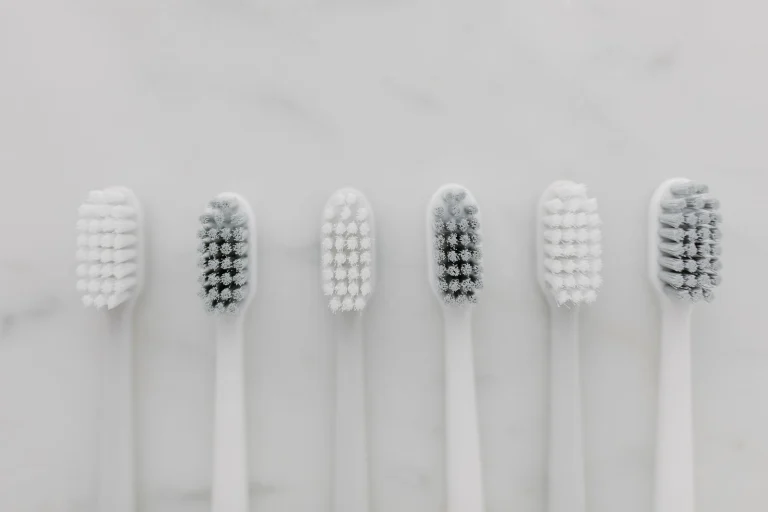
Treated gums need thorough cleaning, not force. Brushing hard can irritate healing tissue and contribute to gum recession. Use a soft brush, angle the bristles toward the gumline and use small, gentle strokes, twice a day. If you tend to scrub, read smart brushing beats aggressive brushing.
Clean between every tooth, every day
Gum disease usually does its worst damage between the teeth, where a toothbrush can’t reach. Clean between your teeth once a day with floss or another tool your hygienist recommends. If string floss is hard for you, or you have bridges or implants, a water flosser can help; see why a water flosser might be a good idea. If you have a bridge, you will need a floss threader or similar aid to clean under it.
Don’t skip the areas that bleed
It is natural to avoid a spot that bleeds. But bleeding usually means plaque is still irritating the gums there, so gentle, regular cleaning is what helps it settle. Bleeding that keeps coming back is worth mentioning at your next visit.
Use a rinse only as directed
A mouth rinse can support your routine after treatment, but it doesn’t replace brushing and cleaning between your teeth. Ask which rinse your hygienist recommends for your situation.
Keep your maintenance schedule
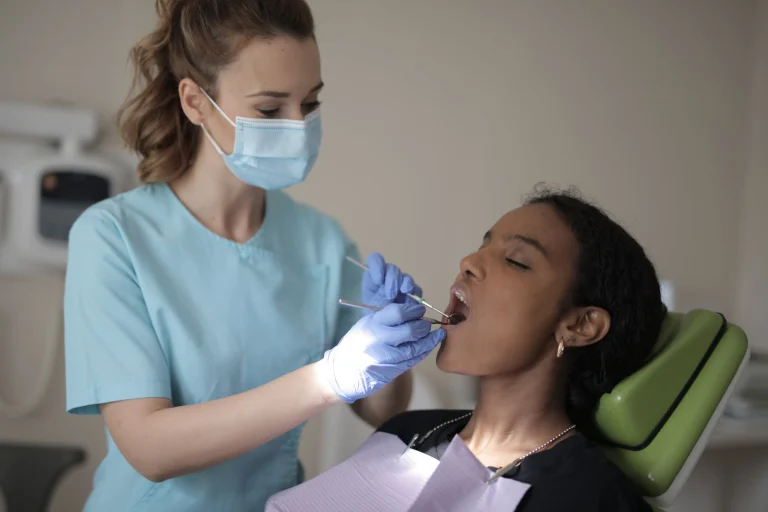
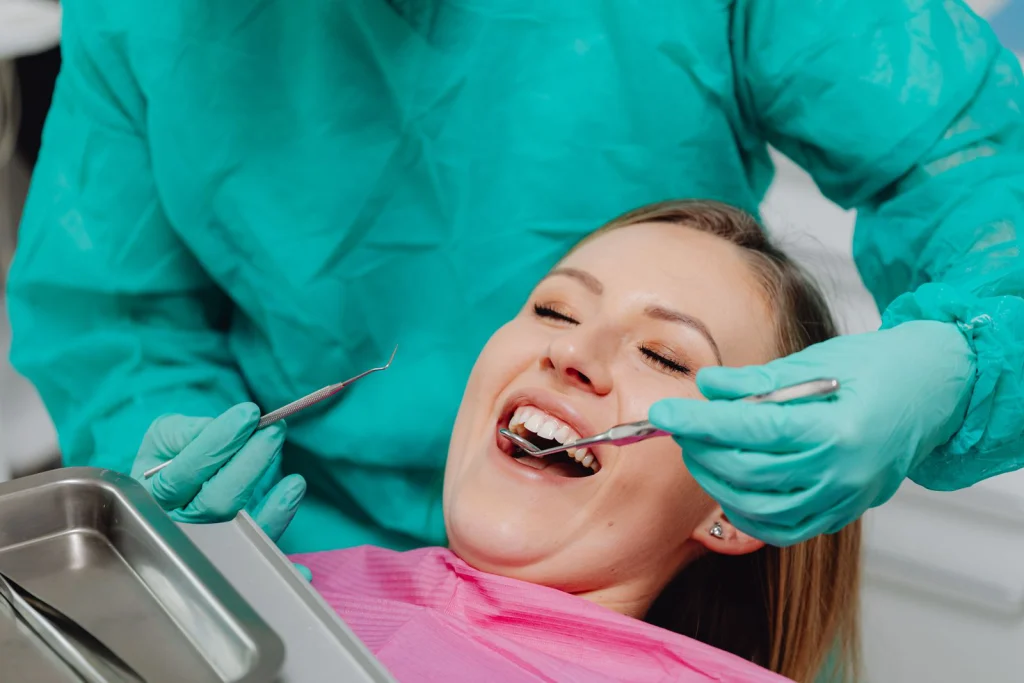
After gum treatment is complete, your dentist or hygienist may put you on a follow-up schedule of every 3 to 4 months rather than the usual six. Those visits are called periodontal maintenance, and they are how gum infection stays in check.
What happens at a maintenance visit
- A thorough cleaning. Cleaning appointments at the practice are a full 60 minutes, which gives the team time to clean each area carefully.
- Gum measurements. The hygienists measure your gums again and compare the results with earlier visits, so small changes are caught early.
- Monitoring your progress. The experienced hygienists keep monitoring your gums over time, and the practice strives for zero bleeding and zero infection.
Why the schedule matters more than any single visit
Plaque rebuilds steadily. A shorter interval between visits means deposits below the gumline are removed before they can restart the infection. Missing appointments is one of the most common ways treated gum disease returns, so if your schedule changes, rebook rather than skip.
Habits and health factors that make gum disease return
Smoking and vaping
Tobacco and vaping make gum disease harder to control and can hide the bleeding that would otherwise warn you something is wrong. If you smoke or vape, quitting is one of the most helpful things you can do for your gums. Read how smoking and vaping affect your teeth and gums.
Diabetes and other health conditions
The health of your gums has been linked to diabetes and cardiac disease. If you have diabetes, keeping it well managed and keeping your maintenance visits go hand in hand, and it helps to tell the team about any changes in your health or medications.
Dry mouth
Saliva helps rinse away food and bacteria. Medications and dry mouth can set the stage for decay, and a dry mouth makes plaque control harder in general. Mention dry mouth at your visit so the team can suggest ways to manage it.
Sugary snacks and drinks
Frequent sugar feeds the bacteria in plaque. You don’t have to give up treats, but timing and frequency matter. See why soda spells double trouble for teeth and gums and how to have your dessert with less risk.
Grinding and clenching
Uncontrolled grinding wears teeth down over time. If you grind, a comfortable, clear bite guard custom-made for you can help protect your teeth.
Signs the infection may be coming back
Call the office rather than waiting for your next scheduled visit if you notice:
- Gums that start bleeding regularly again when you brush or clean between your teeth
- Gums that look red or puffy, or feel tender
- Bad breath or a bad taste that doesn’t go away
- Pus around a tooth
- A tooth that feels loose or a bite that feels different
For more on each sign, read the five warning signs of gum disease.
If the infection returns
A setback is not a reason for embarrassment. The hygienists identify, explain, treat and monitor everything from small, isolated areas of gum disease to the most severe cases. Treatment can again include scaling and root planing, site-specific antibiotics, laser therapy or, for a holistic approach, laser and ozone therapy that clears bacteria without chemicals. Oral DNA testing, which identifies which of the 11 most suspected periodontal pathogens are present, helps make treatment more accurate. See effective gum disease treatment options.
Paying for maintenance and gum care
The practice is out of network with all dental insurance providers. You pay at the time of your visit, and the office files the claim on your behalf so your plan can reimburse you for whatever it covers. Health savings and flex plans are welcome, and financing is available through CareCredit, with no-interest options for up to 12 months, and Cherry, with plans from 3 to 24 months. See financing options.
Frequently asked questions
Can gum disease come back after a deep cleaning?
Yes. A deep cleaning removes the bacteria causing the infection, but plaque keeps forming. Regular follow-up visits and daily home care are what keep the infection from returning.
How often should I have cleanings after gum disease treatment?
Your dentist or hygienist may recommend follow-up care every 3 to 4 months after treatment. The right schedule for you depends on how your gums respond, and it can change over time.
Is early gum disease reversible?
Treatment can control and even reverse the early stages of gum disease. More advanced gum infection can be managed and controlled but never completely cured.
Should I stop flossing if my gums bleed after treatment?
No, unless you have been told to pause because an antibiotic was placed. Gentle, regular cleaning usually helps bleeding settle. If it continues, let the team know.
Keep your gums healthy with care in Timonium
Whether you were treated here or elsewhere, a maintenance plan is the best protection for your gums. Request an appointment or call (410) 453-9399. The office of Dr. Steven W. Haywood, DDS is at 108 W Timonium Rd, Ste 200, Timonium, MD 21093, serving Timonium, Towson, Pikesville, Baltimore and the surrounding communities. Learn more about gum disease treatment in Timonium.
Ready to see your future smile?
Treated for gum disease? Keep it under control with maintenance care in Timonium.