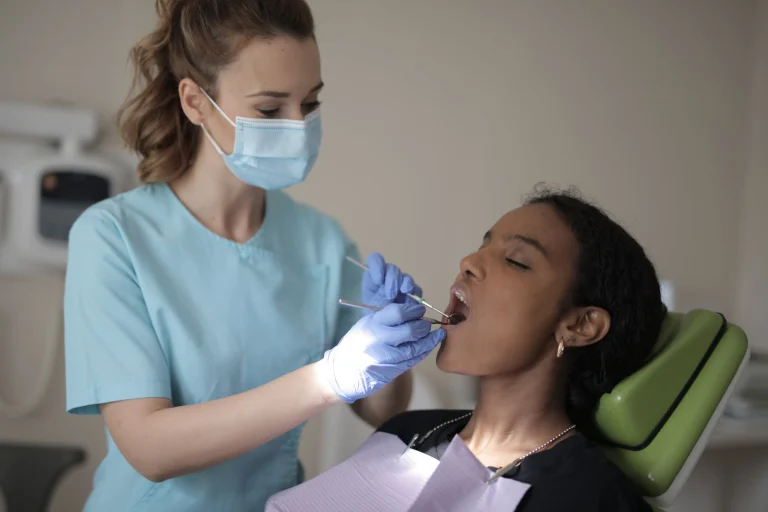
If it has been years since you visited a dentist, you are not too late, and you won’t be lectured. Coming back usually starts with a conversation about what has been going on, a thorough exam with X-rays, and a clear plan that puts anything urgent first and explains what can safely wait and what it costs. For most people, the hardest part is making the call.
This guide is for anyone who has let dental care slide, whether because of fear, cost, a bad experience, a busy few years or simple embarrassment. It walks through why people stay away, what your first visit back at the Timonium office of Dr. Steven W. Haywood, DDS involves, what the exam might find, and how treatment is usually paced.
You are not the only one
People fall out of the habit of seeing a dentist for all kinds of reasons: a move, a job change, a tight budget, a frightening experience as a child, or years of meaning to book and never quite doing it. The longer the gap, the easier it is to worry about what a dentist will say, and that worry becomes one more reason to put it off.
Plenty of patients at this practice started out nervous. The team’s approach is simple: listen first, then treat. Every visit starts with a conversation, not a drill, and you see the same familiar faces at every visit, so you never have to explain yourself twice.
Common reasons people avoid the dentist, and what helps
Dental anxiety
If dental visits make you anxious, tell the team so they can plan around it. Laughing gas is offered as a complimentary service, and you should feel fully alert afterward and able to drive yourself home. Oral conscious sedation is a pill taken about an hour before your appointment, and so you will need a ride. Read about the benefits of sedation dentistry and sedation dentistry in Timonium.
Embarrassment about your teeth
Many people who have stayed away worry about being judged. The point of the first visit is to understand where things stand and what you want, not to scold you for the years in between. The goal is a clear picture and a plan you are comfortable with.
Worry about cost
Not knowing what treatment will cost keeps a lot of people away. Here, you are told what needs doing, what can safely wait and exactly what it costs before anything begins. The practice is out of network with all dental insurance providers: you pay at the time of your visit, and the office files the claim on your behalf so your plan can reimburse you for whatever it covers. Health savings and flex plans are welcome, and financing is available through CareCredit, with no-interest options for up to 12 months, and Cherry, with plans from 3 to 24 months. See financing options.
A bad experience in the past
Gentler technology helps. Air abrasion can remove small areas of decay quickly and quietly, with no heat, pressure or vibration. Digital X-rays are more comfortable than biting down on hard film, and the iTero Element scanner creates a 3D image of your teeth in about 2½ minutes, with less tendency toward gagging. See dental technology at the practice and comfortable dental care for anxious patients.
What your first visit back involves
- Paperwork before you arrive. You can complete your new patient forms online at forms.flossem.com, and if you need help with any appointment paperwork in the office, a team member will be happy to help.
- A conversation. Your first appointment starts with an in-depth discussion of your dental concerns, your health history and the medications you take, and whether fear is a problem for you. It helps to bring a list of your questions.
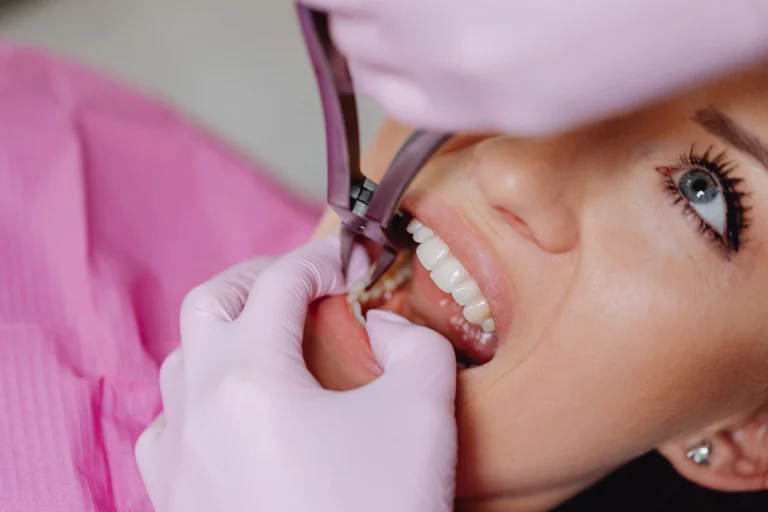
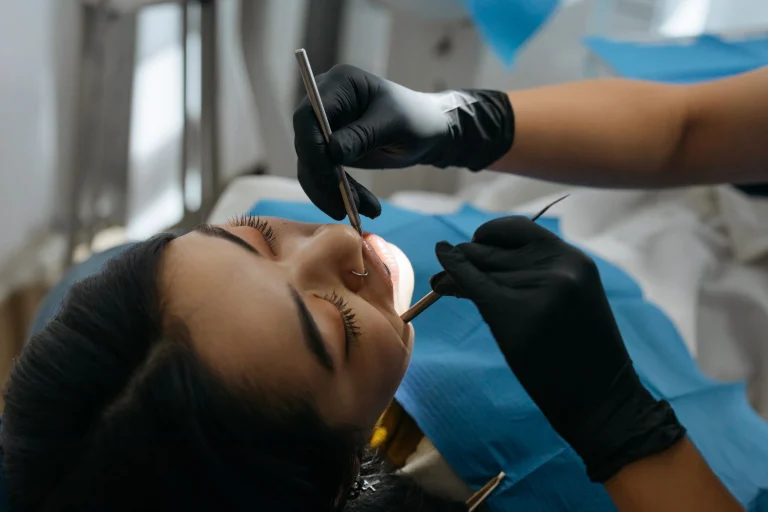
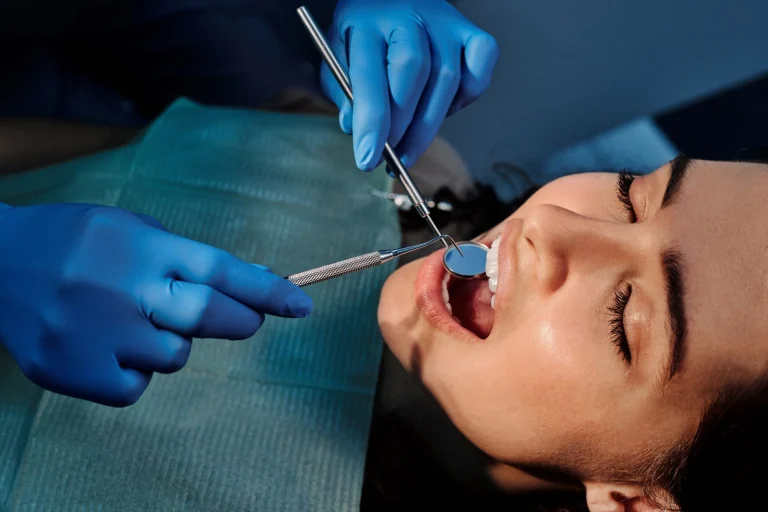
- A thorough exam. Dr. Haywood carefully evaluates your teeth and gums and assesses your general health. X-rays and photos are taken, and your bite is checked for TMJ issues. An oral cancer screening is part of the check-up.
- Seeing what the dentist sees. Digital X-rays appear on screen right away, and intraoral cameras zoom in on each area, so you can see and understand what is going on in your mouth.
- Your plan. In some instances treatment can be completed at the first appointment. When a case is more complex, a second appointment is made to discuss your options and schedule treatment around your goals.
If you are in pain right now, say so when you call. If you haven’t seen a dentist recently, the standard of care calls for the necessary X-rays and a thorough exam before treatment, and treatment focuses on relieving your pain. See emergency dental care.
What the exam might find after years away
Every mouth is different, and a long gap doesn’t automatically mean bad news. These are some of the things a dentist commonly looks for when it has been a while:
- Tartar buildup. Plaque that has hardened over time can only be removed professionally. Cleaning appointments at the practice last a full 60 minutes, so there is time to do it thoroughly.
- Gum disease. Bleeding, swollen or receding gums, bad breath and deep pockets in the gums can point to infection, and it often develops without pain. Care here is gentle: 98 percent of the practice’s periodontal therapy is non-surgical. Learn about gum disease treatment.
- Cavities. Decay found early usually needs only a tooth-colored filling, and DIAGNOdent can find small amounts of decay at the earliest stages.
- Worn or cracked teeth. Grinding slowly wears down and cracks enamel, often without you noticing.
- Infected or badly damaged teeth. A root canal can resolve infection pain, and with modern dentistry extractions are rare, reserved for teeth that can’t be saved.
- Missing teeth. If teeth have been lost, replacement options such as dental implants, bridges and dentures can be discussed. Active gum disease is treated before implants.
How treatment is usually paced
When there is a lot to catch up on, it doesn’t all happen at once. A sensible plan generally deals with pain and infection first, then gets the gums healthy, then restores damaged or missing teeth, and finally looks at cosmetic goals if you have them. Your personalized plan is built around your needs, your comfort and your budget, and you decide what to do and when.
Once you are caught up, staying there is much easier. The practice recommends a professional cleaning every six months, and regular visits mean small problems are found and treated before they turn into bigger dental work. For more on why routine visits matter, read top 10 reasons to visit a dentist.
A spa-like office designed around comfort
The Timonium office is a warm, spa-inspired space. Paraffin wax hand treatments and aromatherapy are there to help you relax in the chair, there is a Nespresso station, and every treatment room is cleaned and sterilized after each patient. Take the office tour.
Frequently asked questions
Is it common for people not to go to the dentist for years?
It happens for all kinds of reasons, from fear to cost to a busy life. Plenty of patients at the practice started out nervous or overdue, and the first visit is simply about understanding where you are now.
Will the dentist judge me for waiting so long?
The team listens first and treats second. You’ll get a clear explanation of what needs doing, what can safely wait and what it costs, and you’re never rushed.
Can I have sedation for my first visit back?
Tell the team what makes visits hard for you. Laughing gas is complimentary on request, and oral sedation is available.
Can everything be fixed in one appointment?
In some instances treatment can be completed at the first appointment, but a comprehensive evaluation is an important first step. More involved cases are planned and scheduled over a series of visits.
Take the first step back in Timonium
Whatever kept you away, coming back starts with one call. Request an appointment or call (410) 453-9399. The office of Dr. Steven W. Haywood, DDS is at 108 W Timonium Rd, Ste 200, Timonium, MD 21093, and patients come from Timonium, Towson, Hunt Valley, Baltimore and Shrewsbury, PA. New patients are always welcome. Read new patient information or learn about general dentistry at the practice.
Ready to see your future smile?
It's been a while? Call the Timonium office and start with a no-pressure conversation.