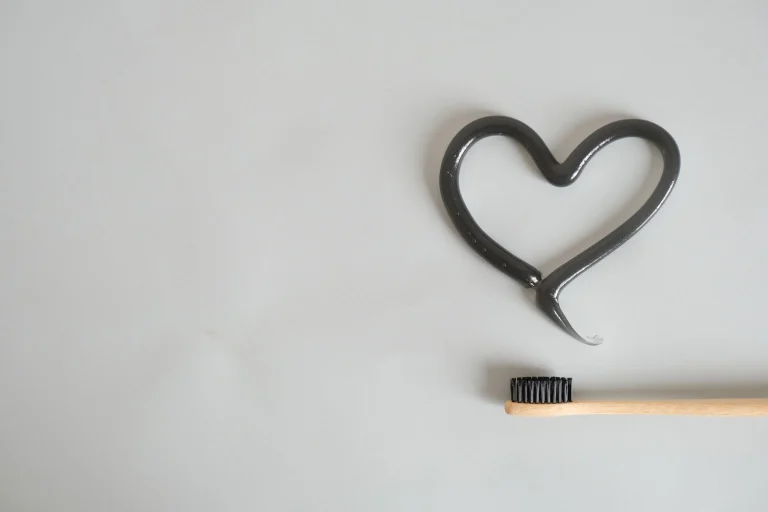
An electric toothbrush is not automatically better than a manual one. Both can clean your teeth well when you use a soft brush, gentle pressure and a full two minutes, twice a day. Where a powered brush often helps is in making good brushing easier: the head does the fine movements for you, a built-in timer keeps you brushing long enough, and a pressure sensor warns you when you press too hard. For people with limited hand movement, braces or dental work, or a habit of scrubbing, those features can make a real difference.
This guide from the Timonium office of Dr. Steven W. Haywood, DDS explains how today’s “techno-toothbrushes” work, which features are worth paying for, who benefits most from an electric brush, and how to use one properly.
How electric toothbrushes differ from manual brushes
With a manual toothbrush, your hand provides every stroke, so the result depends entirely on your technique and patience. With an electric toothbrush, a motor moves the bristles, and your job is to guide the brush slowly from tooth to tooth.
Oscillating-rotating brushes
These have a small round head that turns back and forth rapidly. You hold the head against each tooth for a moment, then move to the next, a bit like polishing one tooth at a time.
Sonic brushes
Sonic brushes usually have a head shaped like a manual brush that vibrates side to side at high speed. The motion also moves the fluid around your teeth. You glide the brush slowly along the teeth and gumline.
Basic battery brushes
Simple battery-powered brushes move more slowly and usually have fewer features. They can still be a helpful step up for someone who finds manual brushing tiring.
There is no single type that suits everyone. The best brush is the one that feels comfortable and that you will use gently and consistently.
Features that actually help
- A two-minute timer. Many people brush for far less time than they think. A timer that buzzes at intervals also reminds you to move to a new area of your mouth.
- A pressure sensor. Pressing too hard can wear enamel and push gums back. A sensor that lights up or slows the brush teaches lighter pressure.
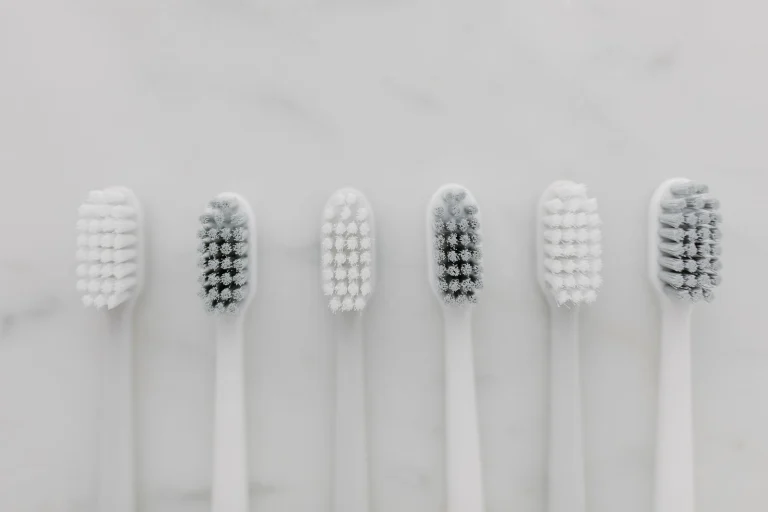
- Soft brush heads. Choose soft bristles, whatever the brand or style.
- A gentle or sensitive mode, useful if your teeth or gums are tender.
- Replacement reminders or indicator bristles that fade, so worn heads don’t stay in use too long.
Features you can take or leave
App connectivity, brushing maps, many cleaning modes, travel cases and whitening settings may be nice extras, but they don’t clean your teeth any better on their own. If a feature helps you brush more consistently, it is worth having. If it doesn’t, a simpler model will do.
Who may benefit most from an electric toothbrush
People who brush too hard
If your brush bristles splay quickly or your gums are receding, a brush with a pressure sensor can help retrain your technique. Read smart brushing beats aggressive brushing.
Limited hand movement
Arthritis, an injury or reduced grip strength can make careful manual brushing difficult. A powered brush with a thicker handle does much of the work.
Braces, bridges and implants
Dental work creates more edges and spaces for plaque to collect. A powered brush can make cleaning around it easier, though you’ll still need to clean between teeth and under bridges. Implants don’t decay, but the gums around them need careful cleaning. Read how to care for dental implants in 4 steps.
Children who rush
A timer and a brush that does the moving can help kids brush longer. Children still need an adult’s help and supervision, and a brush sized for their mouth.
When a manual toothbrush is a good choice
- You already brush gently and thoroughly for two minutes.
- You want something simple for travel or for keeping at work.
- You find the vibration uncomfortable.
- Cost matters. A soft manual brush replaced regularly cleans well.
Whichever you choose, replace the brush or brush head when the bristles look worn. Read how often should I replace my toothbrush?
How to use an electric toothbrush the right way
- Put the brush in your mouth before turning it on, so toothpaste doesn’t spray.
- Angle the bristles toward the gumline, where plaque builds up most.
- Guide, don’t scrub. Let the brush do the movement and slide slowly from tooth to tooth, pausing briefly on each.
- Use light pressure. If the brush slows or the sensor lights up, ease off.
- Cover every surface: outside, inside and chewing surfaces, spending about the same time in each area of your mouth.
- Rinse the head and let it air dry standing upright, and keep the handle clean.
What no toothbrush can reach
Even the most advanced brush can’t clean the tight spaces where teeth touch. Cleaning between your teeth once a day with floss, floss picks, interdental brushes or a water flosser is still part of the routine. Read why a water flosser might be a good idea and are floss picks as good as regular dental floss?
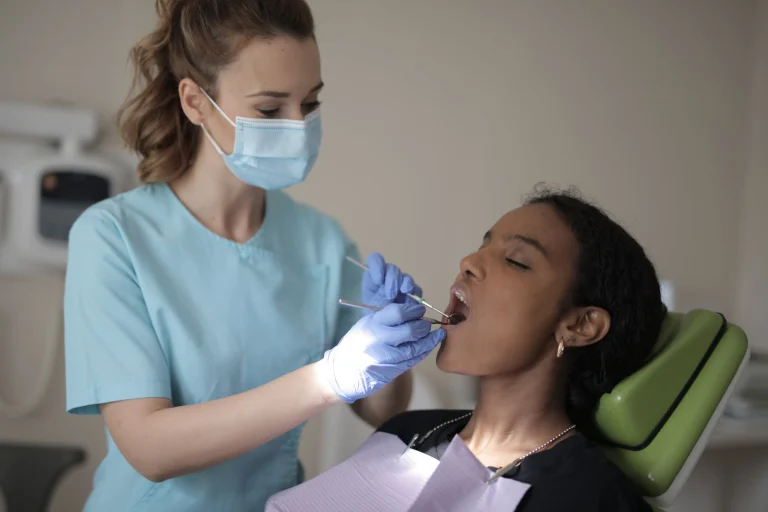
No toothbrush removes tartar, either. Plaque left behind hardens into tartar that only professional instruments can remove, which is why a professional cleaning every six months is recommended.
Get your brushing checked
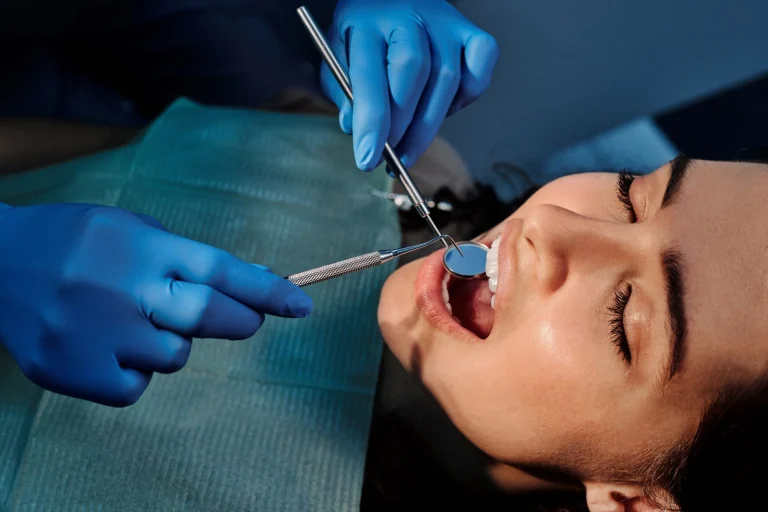
At your cleaning, the team can show you where plaque tends to collect in your mouth. Cleaning appointments at the practice last a full 60 minutes, giving your hygienist time to clean each tooth thoroughly and check the health of your gums. Intraoral cameras zoom in on each section of your mouth, so you can see the spots your brush may be missing, and DIAGNOdent laser detection can find decay at its earliest stages. If your gums bleed or have receded, ask whether your brush or technique is part of the cause. See general dentistry in Timonium and products to help your oral health at home.
Paying for your visit
The practice is out of network with all dental insurance providers. You pay at the time of your visit, and the office files the claim on your behalf so your plan can reimburse you for whatever it covers. Health savings and flex plans are welcome, and financing is available through CareCredit, with no-interest options for up to 12 months, and Cherry, with plans from 3 to 24 months. See financing options.
Frequently asked questions
Do dentists recommend electric toothbrushes?
Many dentists suggest them for people who brush too hard or too briefly, have limited hand movement or have dental work. A manual brush used well is also effective. Ask at your visit which suits you.
Is a sonic toothbrush better than an oscillating one?
Both styles can clean well. Choose the one that feels comfortable and that you will use gently for two full minutes.
Can an electric toothbrush damage my gums?
Pressing hard with any brush can irritate gums and wear enamel. Use soft bristles, light pressure and a pressure sensor if your brush has one.
Does an electric toothbrush replace flossing?
No. You still need to clean between your teeth once a day, and professional cleanings are still needed to remove tartar.
Pair your brush with a cleaning in Timonium
A good toothbrush works best alongside regular professional care. Request an appointment or call (410) 453-9399. The office of Dr. Steven W. Haywood, DDS is at 108 W Timonium Rd, Ste 200, Timonium, MD 21093, serving Timonium, Lutherville, Cockeysville, Towson and Hunt Valley. New patients are always welcome.
Ready to see your future smile?
Want to know if your brush is doing its job? Book a 60-minute cleaning in Timonium.