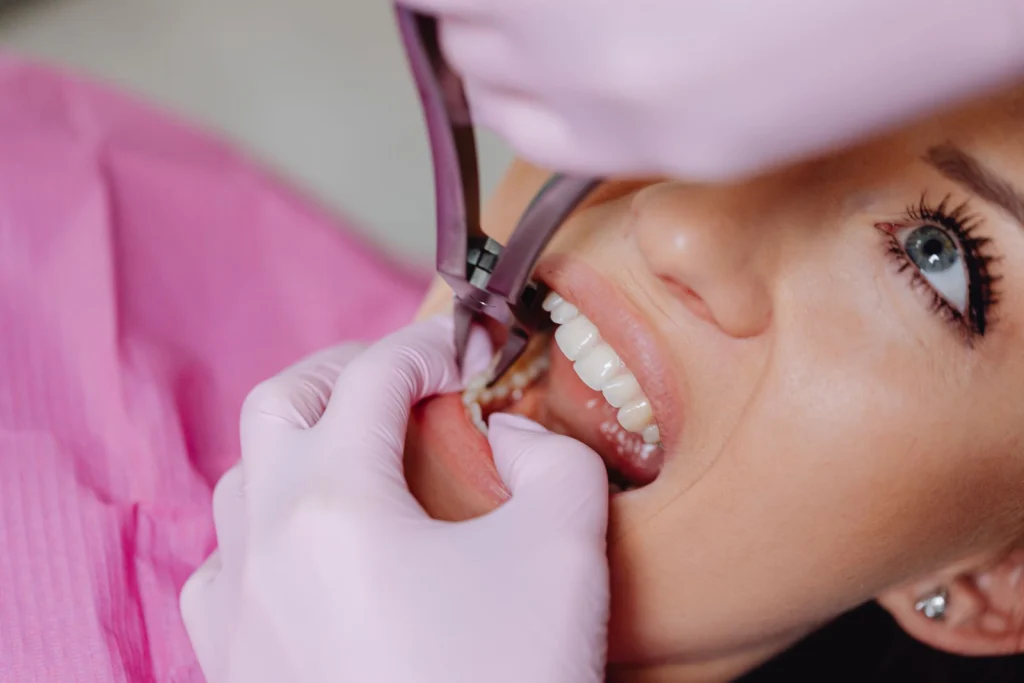
“If only I had taken care of my teeth.” It is one of the most common regrets people bring to a dental office, usually after years of skipped checkups, a busy decade, a fear of the dentist or a budget that went elsewhere. The honest news is better than most people expect: a great deal can still be repaired, and it does not all have to happen at once.
This guide goes through the problems that neglect usually leaves behind, what can still be done about each one at the Timonium office of Dr. Steven W. Haywood, DDS, the order repairs usually follow, and how to keep from ending up in the same place again.
You are not the first, and you won’t be judged
Plenty of patients at the practice started out nervous, embarrassed or years overdue. Every visit starts with a conversation, not a drill. The team walks you through what needs doing, what can safely wait and exactly what it costs, before anything begins, and appointments are scheduled with room to breathe, so you are never rushed. If dental visits make you anxious, say so; the team plans around it.
If you haven’t been in for years and want to know what that first appointment involves, start with been a while since you’ve visited a dentist? This post picks up where that one leaves off: what can actually be fixed.
What can still be fixed
Gum disease
Bleeding or receding gums, bad breath and deep pockets in the gums mean infection. Periodontal disease is the leading cause of tooth loss in adults, so it usually comes first. Treatment can control and even reverse the early stages, and gum infection that is caught and treated as a serious infection can be managed and controlled. It is never completely cured, which is why maintenance matters afterward. Care at the practice is non-surgical and removes the bacteria causing the infection. Learn about gum disease treatment.
Cavities and failing fillings
Years without checkups often mean several cavities and old fillings that have worn, cracked or pulled away at the edges, letting decay develop underneath. DIAGNOdent can detect small amounts of decay at the earliest stages. Small cavities are filled with tooth-colored composite in a single visit. Larger damage may call for a bonded inlay or onlay, which conserves more healthy tooth than a crown. The practice never uses amalgam, and old metal fillings can be removed under rigorous safety protocols.
Infected or painful teeth
A tooth that has been aching on and off may have an infected nerve. Root canal therapy removes the cause of the pain and lets you keep the tooth even after a serious infection, and the tooth is then protected with a porcelain crown. Before root canal therapy, an infected tooth had to come out; today, extractions are rare.
Broken and heavily filled teeth
Teeth that have broken around old fillings can often be rebuilt. A porcelain crown restores the shape of a damaged tooth, preserves what remains and protects it from further damage and decay, and a crown can save a tooth that would normally need to be extracted. Many cracked teeth can be saved; a tooth that has split along its root cannot.
Stained and dull teeth
Once the teeth are healthy, color is one of the easiest things to improve. Professional whitening is customized to your teeth, and if your teeth are very dark, Dr. Haywood counsels you on other options such as bonding or veneers.
Teeth worn down by grinding
Grinding slowly wears down and cracks enamel, often without you noticing. One patient wrote: “My teeth never had decay, yet I broke off virtually every one of them with my grinding habit… After setting my bite in the right position, Dr. Haywood created a new set of teeth for me.” Custom, clear bite guards help protect teeth from further wear.
Missing teeth
After a tooth is lost, the remaining teeth can shift and the bite can become misaligned. Gaps can be filled with a dental implant, which replaces the root as well as the crown and helps prevent bone deterioration, or with a bridge or dentures. Problem dentures can be remade to fit comfortably. If you are worried it is too late, read are dentures inevitable?
Chipped tooth repair in Timonium, MD
A chipped front tooth is often the thing that finally sends someone back to the dentist, because it shows every time they smile. The fix is usually simple. Dental bonding repairs a chip with tooth-colored composite resin that is sculpted directly on the tooth and polished, usually in a single visit and typically with no anesthesia. When the chip is larger, the tooth already has a big filling or bonding won’t hold up, a porcelain veneer or crown can protect it. After one repair at the practice, a patient wrote: “The tooth looks better than before it was chipped!”
The order repairs usually follow
When several problems have built up, a phased plan makes the work manageable. Your plan is built around your needs, your comfort and your budget, but most follow a similar order:
- Pain and infection. Abscesses, badly infected teeth and anything that hurts come first.
- Gum health. Gum infection is brought under control, because everything else depends on healthy gums.
- Decay and broken teeth. Cavities are filled and damaged teeth are rebuilt, choosing the most conservative repair that will last.
- Missing teeth and the bite. Gaps are replaced and the bite is set so teeth meet evenly.
- Appearance. Whitening, bonding and veneers finish the smile once the foundation is sound.
This order also spreads the cost over time, which can help if you use a flex spending account. For why smaller, conservative repairs come before bigger ones, see less is more in dentistry.
When a larger plan makes sense
Sometimes neglect has affected most of the teeth, and patching one tooth at a time would cost more in the long run than rebuilding in a coordinated way. A full mouth reconstruction rebuilds function first and appearance with it. One patient who traveled to the practice described it this way: “I came in with every tooth broken, patched, and filled… I have been thrilled with my new smile.”
Once your mouth is healthy, the cosmetic side can be as small or as complete as you like. Explore cosmetic dentistry in Timonium, or read 5 practical reasons to choose cosmetic dentistry.
Comfort while you catch up
Catch-up care can mean several appointments, so comfort matters. The office is spa-like, with paraffin wax hand treatments and aromatherapy. Laughing gas is complimentary on request, and you can drive yourself home afterward. Oral conscious sedation, a pill taken about an hour before your visit, and calms nerves for longer (you’ll need a ride). See sedation dentistry.
Keeping it from happening again
- Keep your cleanings. A professional cleaning every six months is recommended, and cleaning appointments at the practice last a full 60 minutes.
- Brush gently and floss daily. Plaque left along the gums is what drives gum disease.
- Protect your repairs. Bite protection is recommended for cosmetic work, and a custom guard helps if you grind.
- Strengthen enamel without fluoride. For anyone who prefers to avoid fluoride, the practice offers calcium rebuilding treatments, and xylitol mints and lollipops help reduce decay risk.
- Call early. A small problem caught at a checkup is almost always simpler to fix than the same problem years later.
Paying for catch-up care
The practice is out of network with insurance companies: you pay at the time of service, and the office files the claim on your behalf so your plan can reimburse you for anything it covers. HSA and flex plans are welcome. Financing is available through CareCredit, with no-interest options for up to 12 months, and Cherry, with plans from 3 to 24 months.
Frequently asked questions
Is it too late to save my teeth?
Often not. Root canals, crowns and gum treatment save many teeth that look hopeless, and an exam with X-rays shows which teeth can be kept.
Do I have to fix everything at once?
No. Urgent problems come first, and the rest can be phased over time around your comfort and budget. You’ll know what can safely wait.
Will I need dentures?
Not necessarily. Many people who fear dentures keep most of their teeth with treatment, and missing teeth can also be replaced with implants or bridges.
I’m embarrassed about the state of my teeth. What should I do?
Tell the team when you call. You won’t be the first patient to feel that way, and your visit starts with a conversation rather than a lecture.
Start getting back on track in Timonium
The best time to take care of your teeth was years ago; the second best is now. Request an appointment or call (410) 453-9399. The office of Dr. Steven W. Haywood, DDS is at 108 W Timonium Rd, Ste 200, Timonium, MD 21093, serving Timonium, Towson, Pikesville and Baltimore. If one discolored tooth is part of the picture, read tooth discoloration in a single tooth.
Ready to see your future smile?
Wish you had taken better care of your teeth? Start with a conversation in Timonium.