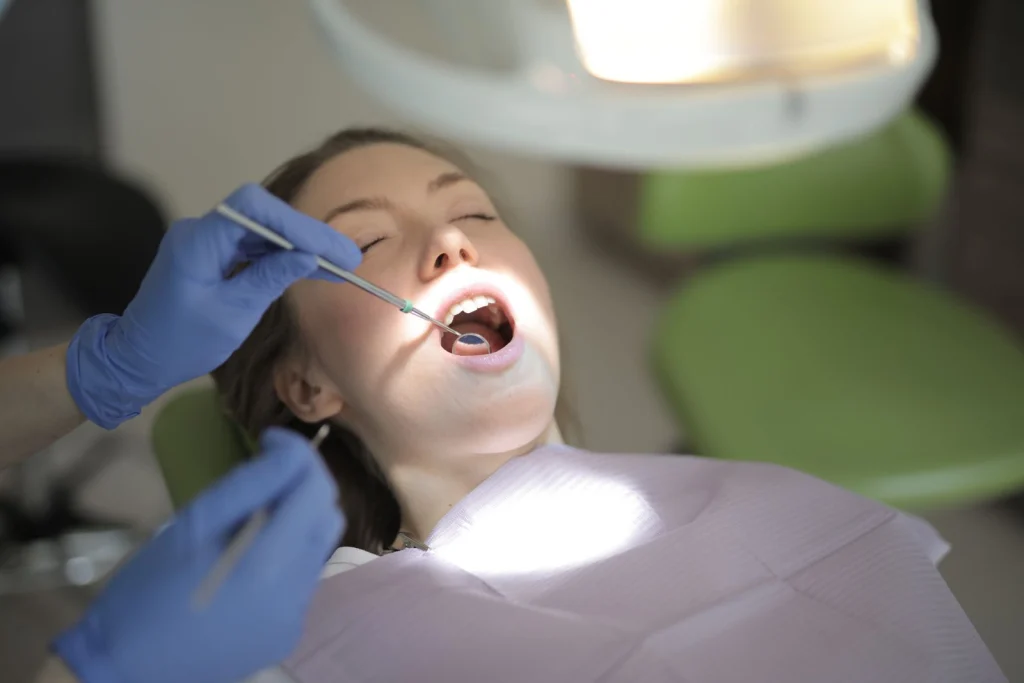
Full mouth reconstruction means rebuilding many or all of your teeth at once, when broken, worn, heavily filled or missing teeth have left your mouth working against itself. Instead of patching one tooth at a time, a single plan restores function, comfort and appearance together, usually combining crowns, conservative restorations, replacement of missing teeth, attention to the bite and cosmetic finishing. For patients in Baltimore, MD and the surrounding area, that planning happens at the Timonium office of Dr. Steven W. Haywood, DDS, a short drive up York Road.
This guide explains what full mouth reconstruction involves, the signs you may need more than another single repair, why the bite comes first, how a plan is built and phased, and how cost and insurance work.
What full mouth reconstruction is, and what it is not
Full mouth reconstruction is a broad term for rebuilding many or all teeth. It can involve fillings, inlays and onlays, porcelain crowns, root canals, bridges, dental implants, veneers and treatment of the gums and bite. It is sometimes called full mouth rehabilitation.
- It is not the same as full mouth implants. Full mouth implants replace all the teeth of an arch on implants. That can be part of a reconstruction, but many reconstructions save most of the natural teeth. If you have lost most of your teeth or wear dentures, read about full mouth dental implants near Baltimore.
- It is not only cosmetic. An ultimate smile makeover can overlap with reconstruction, but reconstruction starts with oral health and function: decay, cracks, gum disease, missing teeth and the bite.
Signs you may need more than one repair
- Many teeth are broken, patched and filled, and new problems keep appearing.
- Your teeth look worn or short, or have chipped from grinding and clenching.
- A filled tooth hurts when you chew, which is often caused by tiny cracks in the chewing surface.
- Old metal fillings are worn or cracked, which can let tooth decay develop underneath.
- Missing teeth have made chewing harder and let the teeth beside the gap shift.
- You have jaw tenderness, facial pain or frequent headaches.
- Your dentures fit poorly, or you are close to needing them.
The building blocks of a reconstruction
Conservative restorations first
Dr. Haywood saves healthy tooth structure wherever possible. Where the damage allows, a tooth-colored filling, inlay or onlay comes first, because it keeps more of your natural tooth. Bonded inlays and onlays restore strength while conserving the healthy parts of a damaged tooth, and they are completed in two visits.
Porcelain crowns
Dental crowns are used when a tooth is extensively damaged or cracked, or after a root canal. Each crown is made of high-quality porcelain from impressions of your own teeth, restores the shape of the tooth and protects what remains from further damage and decay. A crown can often save a tooth that would otherwise need to be pulled. Crowns are usually completed in two appointments.
Saving infected teeth
When infection reaches the pulp inside a tooth, root canal therapy removes the cause of the pain and can save the tooth, which is then capped with a porcelain crown to protect it.
Replacing missing teeth
A gap makes chewing harder and lets nearby teeth shift, and replacing a lost tooth helps keep your bite in alignment. A dental implant replaces both the root and the crown without touching the healthy teeth beside it, and helps prevent bone deterioration. Dental bridges anchor a replacement tooth to crowns on the neighboring teeth. For most or all teeth, custom dentures, snap-on implant dentures and All-on-4 are available.
Cosmetic finishing
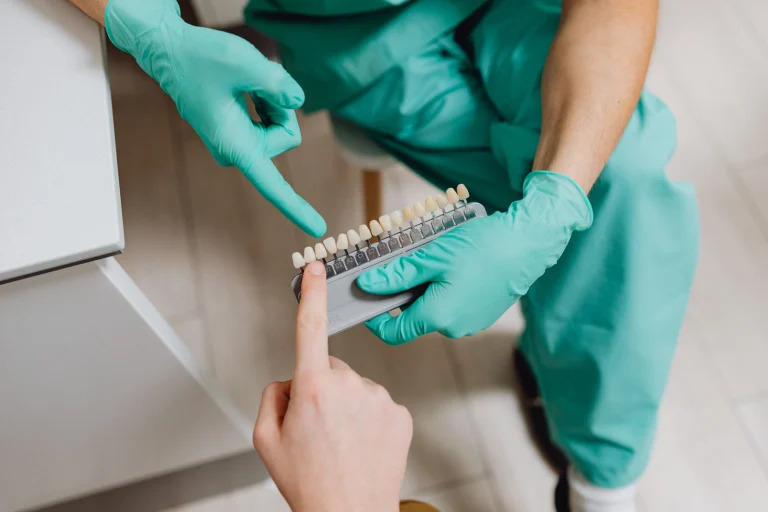
Once the teeth are healthy and the bite is stable, the visible teeth can be refined with porcelain veneers, teeth whitening or a gum lift, so the finished smile looks as good as it works.
Why the bite comes first
The temporomandibular joint is the foundation of your chewing mechanism, and assessing jaw joint health is an essential part of the practice’s thorough restorative approach. Grinding and clenching place excessive force on the teeth, wearing enamel away and introducing small cracks. Rebuilding worn teeth without addressing the bite risks breaking the new work too.
Worn and broken teeth can be rebuilt with crowns once the bite is set in the right position. One patient described it this way: “My teeth never had decay, yet I broke off virtually every one of them with my grinding habit… After setting my bite in the right position, Dr. Haywood created a new set of teeth for me… I have never felt better or smiled more.” When jaw pain is part of the picture, a full TMJ evaluation comes before treatment. Custom bite guards help control tooth wear afterward.
How a full mouth reconstruction is planned
- A relaxed, no-pressure consultation. Dr. Haywood examines the damaged or missing teeth, reviews your health history and learns your goals before recommending anything.
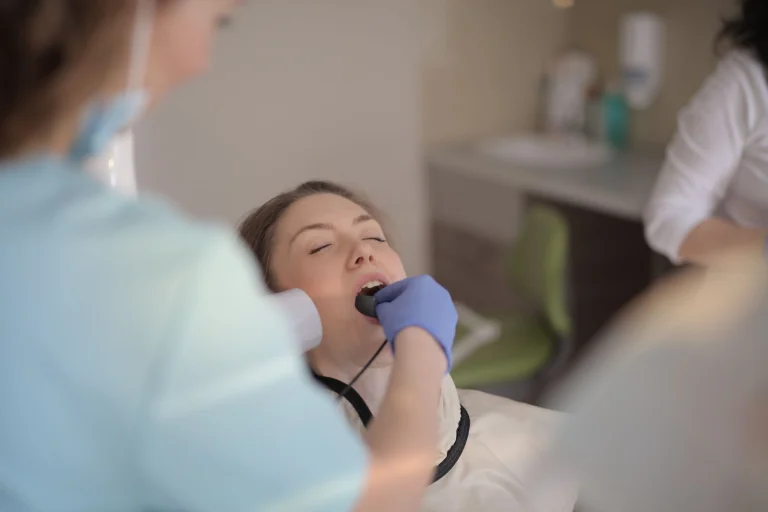
- Records. Digital X-rays and intraoral cameras show the teeth closely. The iTero Element scanner creates a 3D image of your teeth in about 2½ minutes. When implants or the jaw joint are involved, the practice’s low-dose Green CT scanner shows the bone and joint.
- Health first. Decay, infection and gum disease are treated before restorations go in, and active gum disease is treated before implants.
- A preview of the visible result. Cosmetic imaging changes digital photos of your smile, so you can see and plan the improvements together.
- A phased treatment plan. Your personalized plan explains every option and is built around your needs, your comfort and your budget. Treatment starts only when you approve.
- Maintenance. Good oral hygiene at home, professional cleanings and bite protection keep the rebuilt teeth healthy.
Mercury-free materials
Dr. Haywood never uses amalgam fillings. Restorations are tooth-colored composite, ceramic or porcelain, and old amalgam fillings can be removed under rigorous safety protocols designed to minimize mercury vapor exposure. Learn more about mercury-free dentistry.
Comfort through a longer treatment
Reconstruction can take several appointments, and many patients who need it have put off care because of anxiety. The office is spa-like, laughing gas is offered as a complimentary service, and oral conscious sedation is available.
Experience behind reconstructive care
Dr. Haywood graduated with distinction from the University of Detroit dental school in 1987, was hand-picked for the U.S. Air Force advanced residency program with internships including oral surgery and oral facial prosthodontics, and has pursued advanced TMJ and reconstructive training at the Peter Dawson Institute. Every phase of care, from restorations to implants, happens in the same Timonium office.
Cost, insurance and financing
The cost of full mouth reconstruction depends entirely on what your mouth needs, which is why your fee is set after your exam and plan. Treatment can often be phased, and staging treatment can help if you use a flex spending account. The practice is out of network with insurance companies: you pay at the time of service, and the office files the claim on your behalf so your plan can reimburse you for anything it covers. Health savings and flex plans are welcome. Financing is available through CareCredit, with no-interest options for up to 12 months, and Cherry, with plans from 3 to 24 months.
Coming from Baltimore
Patients come for restorative care from Baltimore, Towson, Hunt Valley and Shrewsbury, PA. One patient traveled from out of town: “I came in with every tooth broken, patched, and filled… I have been thrilled with my new smile.” If you are unsure whether you need a full reconstruction or just a few repairs, read practical reasons to choose cosmetic dentistry for the protective side of treatment.
Frequently asked questions
How long does full mouth reconstruction take?
It depends on the plan. Crowns, inlays and onlays each take two visits, a single implant tooth can be restored in as little as 6–8 weeks after surgery, and implant treatment can take several months. Your timeline is mapped out at your consultation.
Will I need dental implants?
Not necessarily. Many reconstructions save most natural teeth with fillings, onlays and crowns. Implants are one option when teeth are missing or cannot be saved.
Can a reconstruction be done in stages?
Often, yes. A phased plan can treat the most urgent teeth first and complete the rest over time.
Is the office in Baltimore?
No. The office is in Timonium, a short drive north of Baltimore, and patients come from across the Baltimore area.
Book a full mouth reconstruction consultation
If fixing one tooth at a time is no longer working, find out what a complete plan would involve. Request an appointment or call (410) 453-9399. The office of Dr. Steven W. Haywood, DDS is at 108 W Timonium Rd, Ste 200, Timonium, MD 21093. Learn more about restorative dentistry in Timonium.
Ready to see your future smile?
Coming from Baltimore? Book a full mouth reconstruction consultation in Timonium.