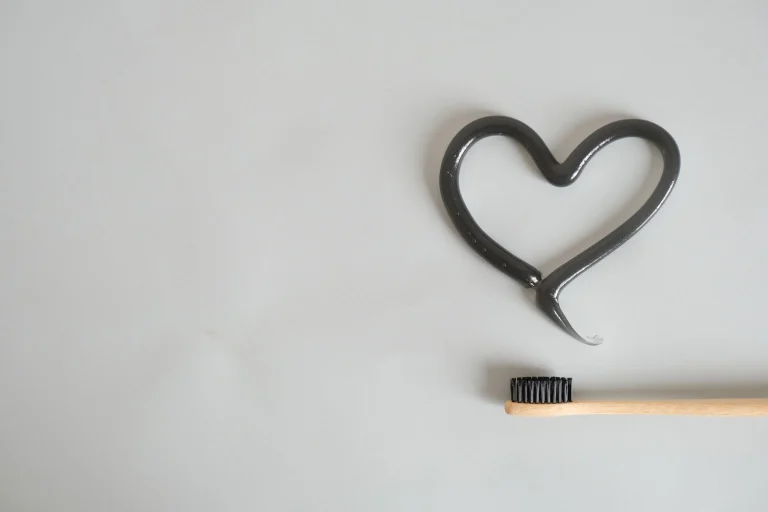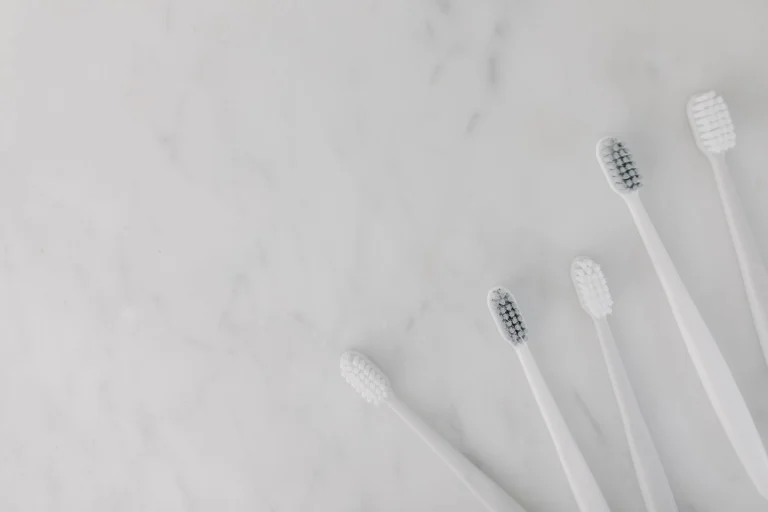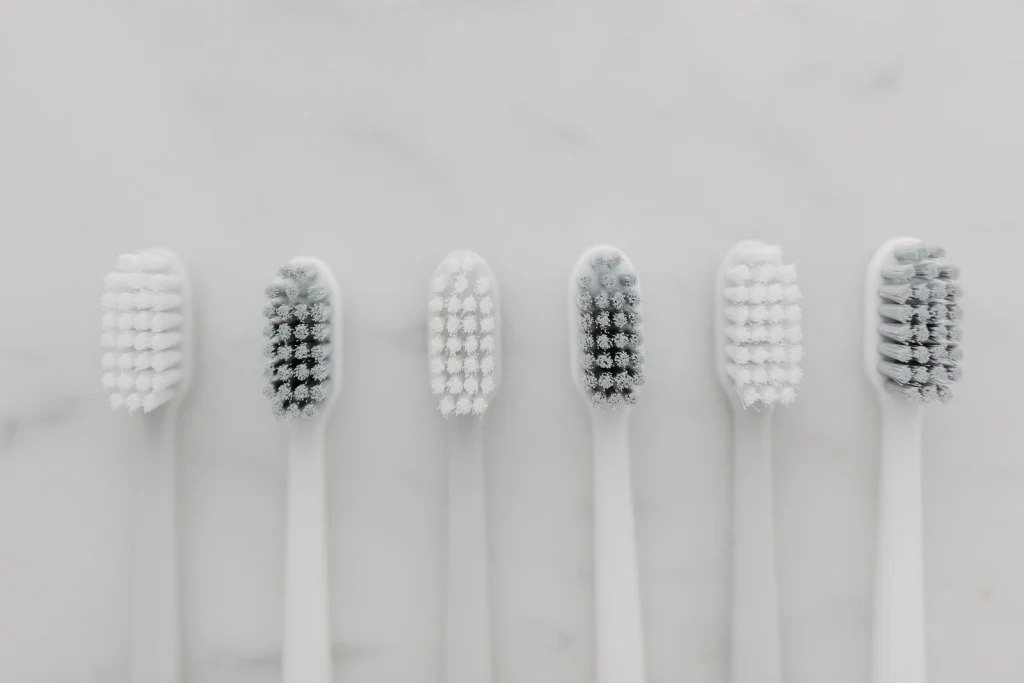
Replace your toothbrush, or the head of your electric toothbrush, every three to four months, and sooner if the bristles are frayed, flattened or splayed. Many people also swap in a new brush after being sick. A worn toothbrush can’t reach the gumline and the grooves of your back teeth the way a fresh one can, and it tempts you to press harder to feel clean.
Here is why toothbrushes wear out, the signs yours needs replacing today, how the rule applies to electric brushes and children’s brushes, how to store a brush between replacements, and what a new toothbrush still can’t do on its own.
Why toothbrushes wear out
Every time you brush, the bristles bend against your teeth and gums. Over weeks of twice-daily use they lose their shape and springiness. The rounded tips wear down, the bristles spread apart, and they no longer flex into the places plaque likes to hide: along and just under the gumline, in the grooves of the molars and around the edges of fillings and crowns.
A tired brush also changes how you brush. When the bristles feel limp, it is natural to scrub harder to get that clean feeling, and aggressive brushing can wear enamel near the gumline and push gums back from the teeth. Read why smart brushing beats aggressive brushing.
Signs your toothbrush needs replacing now
You don’t need to wait for the calendar if you notice any of these:
- Bristles that splay outward or bend over at the tips
- Bristles that feel soft and flat instead of springy
- Discoloration or buildup around the base of the bristles
- A musty smell that doesn’t rinse away
- It has been three months or more since you started using it
- You have just been sick
- It fell on the bathroom floor or into the sink drain area
- Someone else used it by mistake
- A child has been chewing on it
If your bristles fray in just a few weeks
A brush that looks worn out long before three months is often a sign of pressing too hard. Try holding the brush with your fingertips, like a pen, and let the bristles do the work. If your gums are also receding or your teeth feel sensitive, mention it at your next visit.
Does the three-month rule apply to electric toothbrushes?
Yes. The handle can last for years, but the brush head wears out just like a manual toothbrush, so replace it on the same schedule of about every three to four months, or sooner if the bristles look worn. Some brush heads have colored indicator bristles that fade as they wear, which can be a helpful reminder. Follow the manufacturer’s instructions for your model.
Should you replace a toothbrush after being sick?
Many people choose to. Germs from your mouth end up on your toothbrush, and a brush that stays damp gives them a place to linger. Switching to a new brush after a cold, flu or sore throat is inexpensive peace of mind. At the very least, don’t share brushes, and store family members’ brushes so the heads don’t touch, especially while someone in the house is ill.
Children’s toothbrushes wear out faster
Kids chew on their brushes, brush unevenly and tend to scrub, so their brushes often need replacing sooner than an adult’s. Check your child’s brush every few weeks. As children grow, the right head size changes too: the brush should be small enough to reach the back molars comfortably.
Letting your child pick a new brush in a favorite color can make brushing feel less like a chore. Help young children brush until they can do it thoroughly on their own, and focus on the back teeth and the gumline. For more, read how to prevent cavities in children.
How to store your toothbrush between replacements
- Rinse it well. After brushing, rinse the bristles under running water to wash away toothpaste and debris.
- Shake it and stand it upright. Store it bristles-up in an open holder so it can air-dry between uses.
- Don’t seal it while wet. Closed containers and caps keep the bristles damp. Use a travel cover only for travel, and let the brush dry out once you arrive.
- Give each brush its own space. Keep brushes in the same holder from touching each other.
- Keep your own brush to yourself. Sharing a toothbrush shares the germs on it.
Choosing your next toothbrush
You don’t need an expensive brush to clean well. What matters is how it fits your mouth and how you use it.
- Soft bristles. Soft bristles flex along the gumline without scraping, which is kinder to gums and enamel.
- A head that reaches. Choose a head small enough to get behind your last molars.
- A comfortable handle. If you have trouble gripping a thin handle, look for a thicker one, or consider an electric brush.
- Manual or electric. Either type cleans well when used gently for about two minutes, twice a day.
Special situations
If you have dental implants, brush and floss them much like natural teeth, but with extra attention. Interdental brushes, end-tuft brushes and careful use of an electric or manual toothbrush are recommended. Bridges need special floss threaders or other aids to reach and clean every area properly.
What about toothpaste?
For anyone who prefers to avoid fluoride, the practice offers calcium rebuilding treatments to help strengthen enamel for patients of all ages. Xylitol mints and lollipops can also help reduce decay risk. If you aren’t sure which toothpaste suits your teeth, bring it up at your next visit.
What a new toothbrush can’t do
Even a brand-new brush can’t clean between teeth where they touch, and it can’t remove tartar once plaque has hardened. Daily cleaning between your teeth fills the first gap: compare floss picks and regular floss, or read why a water flosser might be a good idea.
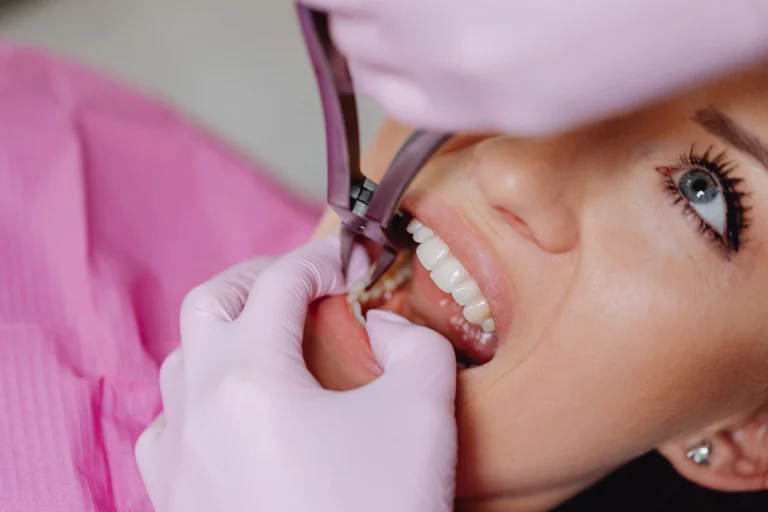
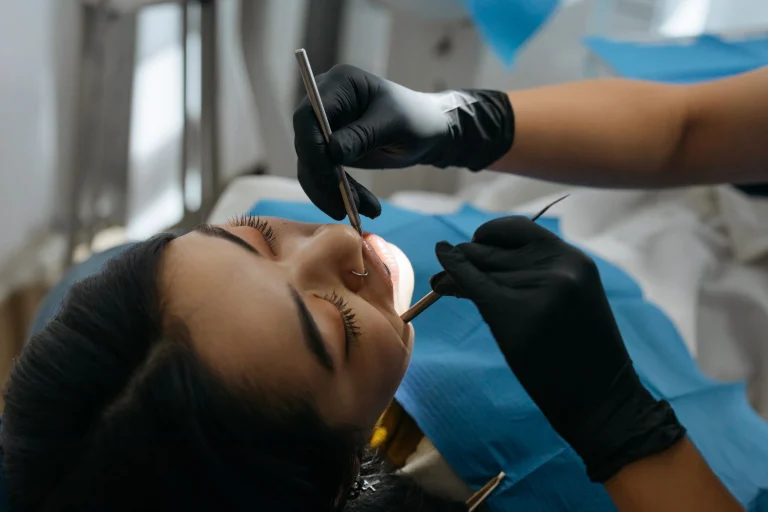
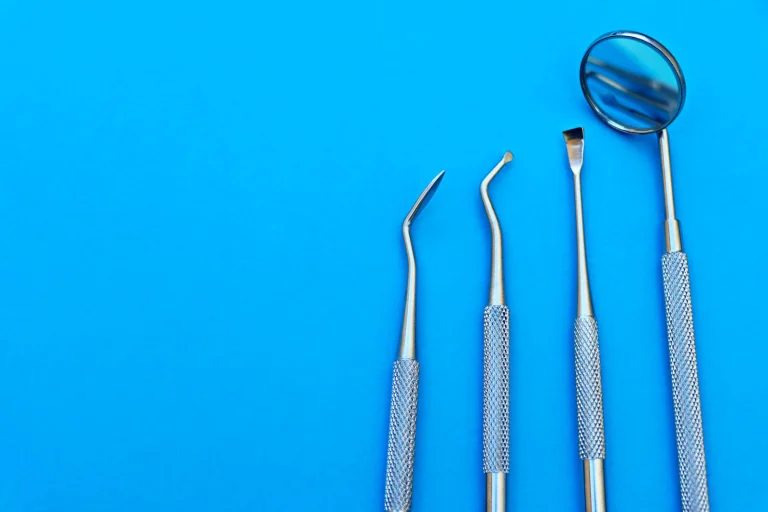
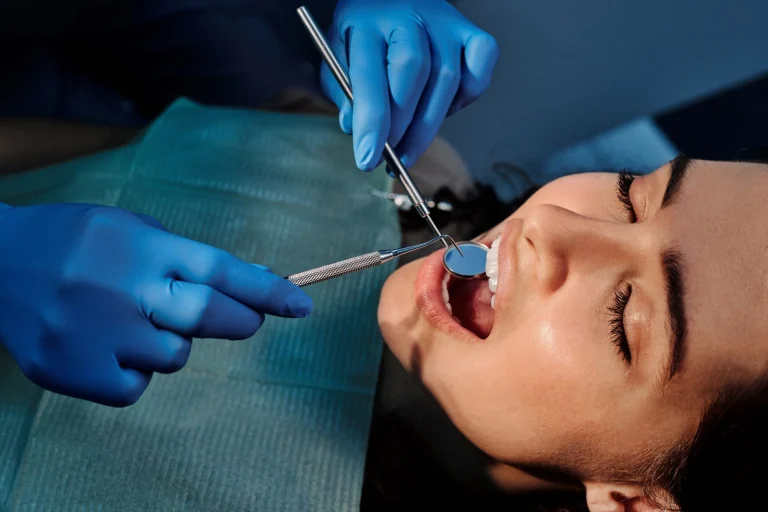
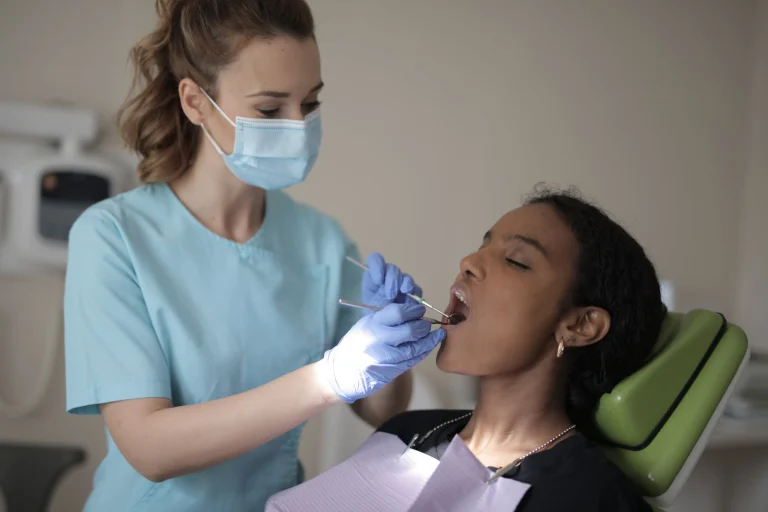
Professional cleanings fill the second. The practice recommends a cleaning every six months, and cleaning appointments here last a full 60 minutes, which leaves time to remove plaque and tartar thoroughly and check the health of your gums. If you have implants, cleanings every three to four months are recommended. Learn about dental cleanings and preventive care and general dentistry in Timonium.
Paying for your visit
The practice is out of network with all dental insurance providers. You pay at the time of your visit, and the office files the claim on your behalf so your plan can reimburse you for whatever it covers. Health savings and flex plans are welcome, and financing is available through CareCredit, with no-interest options for up to 12 months, and Cherry, with plans from 3 to 24 months. See financing options.
Frequently asked questions
Is every three months a strict rule?
It is a guideline. Replace your toothbrush every three to four months, but the condition of the bristles matters more than the date. If they look worn at six weeks, replace it then.
How often should I replace my electric toothbrush head?
On the same schedule as a manual brush: about every three to four months, or sooner if the bristles are worn or you have been sick.
Can an old toothbrush cause bad breath?
A worn brush that no longer cleans well can leave plaque behind, and plaque feeds the bacteria behind bad breath. Persistent bad breath has several possible causes, including gum disease, so have it checked. Read bad breath causes and treatment.
Why do my gums bleed with a new toothbrush?
A new brush reaches areas an old, worn brush was missing, and gums that are already inflamed may bleed at first. Use soft bristles and gentle strokes. Bleeding that continues is a reason for an exam, because it can be a sign of gum infection. See bleeding gums after a cleaning.
Pair your new toothbrush with a cleaning in Timonium
Fresh bristles at home and a thorough professional cleaning every six months make a strong team. Request an appointment or call (410) 453-9399. The office of Dr. Steven W. Haywood, DDS is at 108 W Timonium Rd, Ste 200, Timonium, MD 21093, and patients come from Timonium, Towson, Hunt Valley and Baltimore. New patients are always welcome.
Ready to see your future smile?
New toothbrush at home? Book your 60-minute cleaning in Timonium to finish the job.