Smoking and vaping can both harm your teeth and gums. Smoking is well known to stain teeth, contribute to bad breath and raise the risk of gum disease and oral cancer. Vaping is often assumed to be the safer alternative for your mouth, but e-cigarettes still deliver nicotine and other substances to the gums, and some people who vape notice a dry mouth. Research on the long-term effects of vaping is still developing, so the best choice for your smile is to avoid both and keep up with regular dental visits.
This guide explains, in general terms, how smoking and vaping affect oral health, what signs to watch for, and how the Timonium office of Dr. Steven W. Haywood, DDS helps patients who smoke, vape or are trying to quit.
How smoking affects your teeth and gums
Gum disease
Tobacco use is widely recognized as one of the major risk factors for gum disease. Smoking can make gums more prone to infection and slower to heal, and it can hide one of the early warning signs: nicotine narrows blood vessels, so a smoker’s gums may bleed less even when they are inflamed. That means gum disease can progress quietly. Periodontal disease is the leading cause of tooth loss in adults, and treatment can control and even reverse the early stages, so regular gum checks matter even more if you smoke.
Stains and bad breath
Tar and nicotine stain teeth yellow or brown over time, and smoke leaves a lingering odor in the mouth. Dental work such as composite bonding can stain too. The practice’s whitening aftercare instructions list smoking alongside coffee, tea and red wine as things to avoid after whitening. For more on odor, see bad breath causes and halitosis treatment.
Oral cancer
Alcohol, infection, the HPV virus and smoking have all been implicated in the onset of oral cancer. The practice recommends a yearly oral cancer screening for all patients over eighteen, and regular screenings are especially important for anyone who smokes.
Healing after dental treatment
Smoking can slow healing. After an extraction, the practice’s instructions are to avoid smoking for 72 hours so the protective blood clot isn’t disturbed, and after some surgical procedures, not to smoke for at least two weeks. The practice notes that smoking dramatically increases the risk of bone graft and sinus augmentation failure, and that smokers can have dental implants, though they are somewhat less successful.
How vaping affects your mouth
E-cigarettes heat a liquid into an aerosol that is inhaled. The liquid usually contains nicotine and flavorings in a carrier such as propylene glycol or glycerin. Vaping doesn’t produce tar or smoke, but that doesn’t make it harmless for your mouth.
- Nicotine. Most vapes still contain nicotine, which can affect blood flow in the gums and, as with cigarettes, may mask bleeding.
- Dry mouth. Some people notice a dry mouth when they vape. Saliva helps wash away food and bacteria, and the practice notes that dry mouth can set the stage for root decay.
- Gum irritation. Researchers are still studying how e-cigarette aerosol and flavorings affect gum tissue. The long-term picture isn’t settled, which is exactly why vaping shouldn’t be treated as risk-free.
Is vaping a safer alternative for your teeth?
Switching from cigarettes to vaping removes smoke and tar, but it doesn’t remove nicotine or the other substances in the aerosol. For your gums and teeth, the most helpful step is to stop using both. If you are switching as a way to quit, tell your dentist so your gums can be watched closely along the way.
A note for parents of teens
Vaping is common among teenagers, and many teens don’t connect it with their teeth and gums at all. Regular check-ups are a chance to talk about oral health without a lecture. At the practice, a parent or legal guardian must be present during the consultation of a patient under 18.
Signs to watch for if you smoke or vape
- Gums that are red, swollen, tender or receding, or teeth that look longer
- Bad breath or a bad taste that won’t go away
- A dry mouth most of the day
- Teeth that feel loose or sensitive
- Stains that brushing doesn’t remove
- A sore, patch or lump in the mouth that doesn’t heal
Because nicotine can hide bleeding, don’t wait for your gums to bleed before getting them checked. If you notice anything in your mouth that concerns you, call the office rather than waiting for your next routine visit. Read more about the warning signs of gum disease.
How Dr. Haywood’s practice helps
Honest questions, no lecture
Dr. Haywood asks about your diet, medications and habits, from sugar and acidic foods to tobacco and alcohol, because each one affects your oral and overall health. Being open about smoking or vaping helps the team look in the right places. Learn about the practice’s biological approach to dentistry.
Oral cancer screening
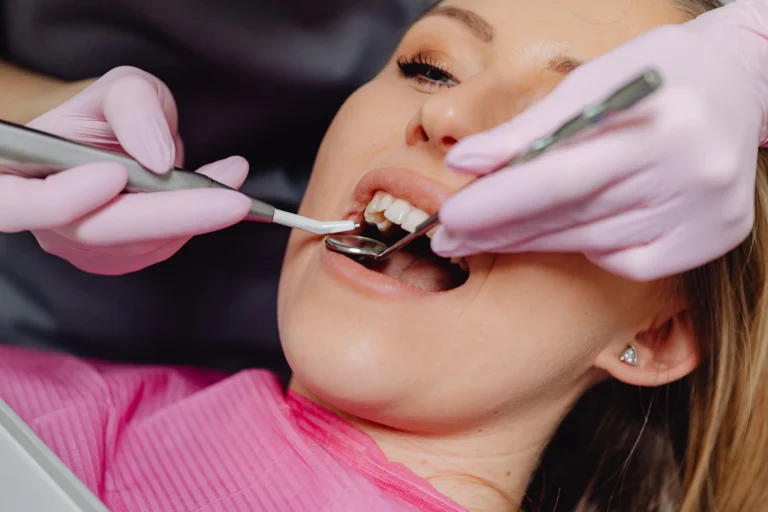
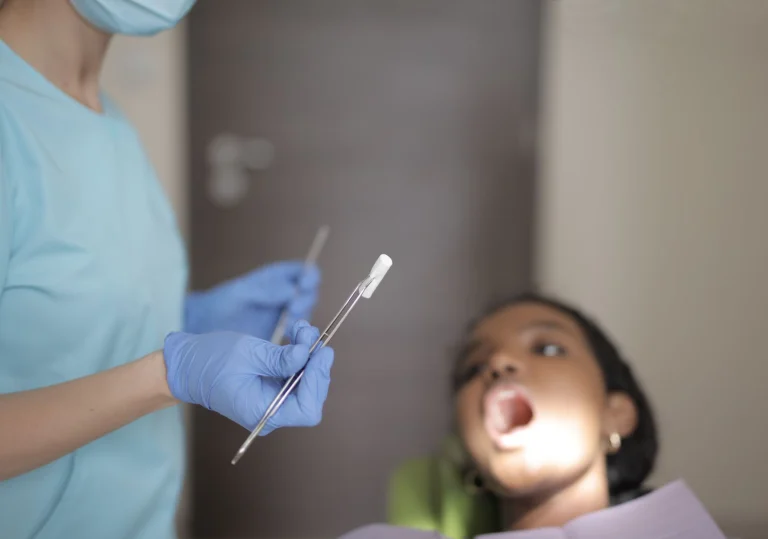
An oral cancer screening is part of your regular check-up. It is quick and pain-free, and ViziLite uses a special solution that turns cell abnormalities blue so they are easier to see under its light. If an area needs more attention, non-surgical techniques such as t-blue staining and Oral CDX cellular analysis are available right in the office. See oral cancer screening in Timonium.
Gum care
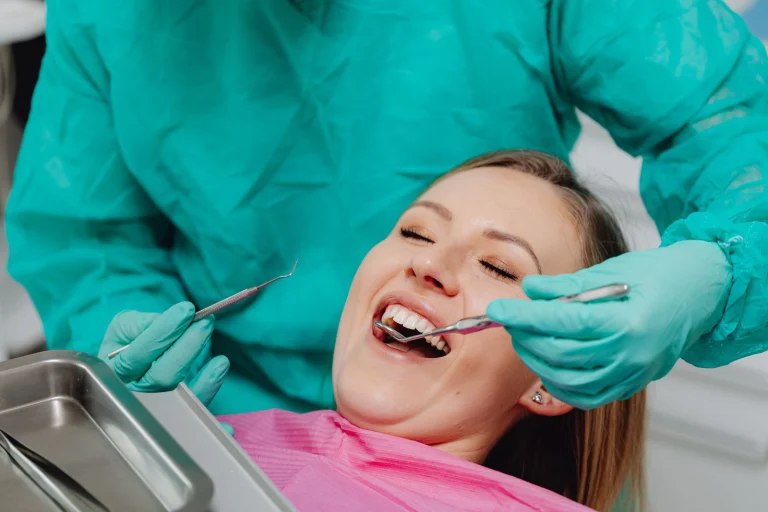
Cleaning appointments last a full 60 minutes, and the hygienists check your gums with careful measurements. If gum disease is found, 98 percent of the practice’s periodontal therapy is non-surgical, including scaling and root planing, site-specific antibiotics and laser therapy, and laser and ozone gum therapy is available for patients who prefer a holistic approach. See gum disease treatment and how to prevent gum disease.
Brightening a stained smile
If smoking has left stains, in-office laser whitening uses a laser to activate the whitening agent so stains dissolve. If whitening alone isn’t the right fit, porcelain veneers and dental bonding can also correct discolored teeth, and porcelain resists stains better than natural teeth or composite. Explore teeth whitening and cosmetic dentistry in Timonium.
Replacing lost teeth
If gum disease has already cost you teeth, dental implants are one option. Smokers can have implants, though they are somewhat less successful, so smoking is worth raising openly at your consultation.
Paying for your care
The practice is out of network with all dental insurance providers. You pay at the time of your visit, and the office files the claim on your behalf so your plan can reimburse you for whatever it covers. Health savings and flex plans are welcome, and financing is available through CareCredit, with no-interest options for up to 12 months, and Cherry, with plans from 3 to 24 months. See financing options.
Frequently asked questions
Can dentists tell if you vape or smoke?
A dentist may notice signs such as stains, dry mouth or gum inflammation, but those can have other causes too. The simplest approach is to tell the team, so your exam and your care take it into account.
Does vaping stain your teeth?
Vaping doesn’t produce tar, but staining isn’t the main concern. Nicotine and dry mouth can still affect your gums and teeth, so regular check-ups matter whether you smoke or vape.
Is it too late to help my gums if I quit?
No. Treatment can control and even reverse the early stages of gum disease, and more advanced gum infection can be managed and controlled with treatment and ongoing maintenance.
How often should smokers have an oral cancer screening?
The practice recommends a screening once a year for all patients over eighteen, and regular screenings are especially important for anyone who smokes.
Protect your smile with a check-up in Timonium
Whether you smoke, vape or have recently quit, a thorough exam is a good next step. Request an appointment or call (410) 453-9399. The office of Dr. Steven W. Haywood, DDS is at 108 W Timonium Rd, Ste 200, Timonium, MD 21093, serving Timonium, Towson, Pikesville, Baltimore and the surrounding communities. New patients are always welcome.
Ready to see your future smile?
Smoke, vape or recently quit? Book a gum check and oral cancer screening in Timonium.