An oral infection is an infection of the teeth, gums or other tissues inside the mouth, usually caused by bacteria. The most common are a dental abscess, which often starts when the nerve inside a tooth becomes infected, and gum infection. Signs include a toothache, swelling in the gums or face, a bad taste, bad breath that won’t go away, and gums that bleed or produce pus. Oral infections don’t clear up on their own, and some can spread, so prompt treatment matters.
This guide from the Timonium office of Dr. Steven W. Haywood, DDS explains the common causes of an oral infection, the signs to watch for, when to call right away and how infections are treated.
What causes an oral infection?
Tooth decay that reaches the nerve
A cavity left untreated can work its way through the enamel and dentin to the pulp inside the tooth, where the nerves are. When infection reaches the pulp, it can cause serious pain, and an abscess can form at the root.
Cracked or broken teeth
A crack or break can let bacteria inside a tooth even without a cavity. Worn or cracked old fillings can also let decay develop underneath.
Gum disease
Plaque bacteria below the gumline can infect the gums and the bone that supports the teeth. Periodontal disease is the leading cause of tooth loss in adults, and it worsens as it progresses through its stages.
Injuries and irritation
Trauma to a tooth, a wound in the soft tissues, or a new mouth piercing can all give bacteria a way in. See oral piercings and tooth gems.
Other infections in the mouth
Not every mouth infection starts with a tooth. Viruses cause some mouth sores, and yeast can cause thrush, which shows up as white patches. Any sore that doesn’t heal should be checked.
Signs of a dental infection
- A toothache that throbs constantly, or pain that comes and goes when you chew
- Sensitivity to hot or cold that lingers
- Swelling in the gums, face, jaw or the glands in your neck
- A pimple-like bump on the gum, or pus around a tooth or the gumline
- A bad taste in your mouth, or bad breath that doesn’t go away
- Bleeding, swollen or receding gums, or deep pockets around the teeth
- A tooth that has darkened after an injury
- Fever or feeling generally unwell
Infections don’t always hurt
An abscess can be visible on an X-ray without causing pain, and tooth pain can fade while an infection is still there. That is one reason regular checkups with X-rays are important, and why a painless bump on the gum still needs attention.
Why oral infections are dangerous
They can spread
Bacteria from a dental abscess can spread through the jaw and cause swelling, which can become life threatening. An infection inside a tooth can also spread to other teeth or into the bloodstream, where it can cause serious health problems.
They damage teeth, gums and bone
Left untreated, infection destroys the tissues that hold teeth in place. A tooth that could have been saved with a root canal may end up needing to be removed.
Gum infection is linked to overall health
The health of your gums has been linked to serious health risks such as diabetes and cardiac disease. Keeping gum infection under control is part of caring for your whole body.
When to call right away
Call the office immediately at (410) 453-9399 if your tooth hurts and your face is swelling. Antibiotics can slow the spread of an abscess, but you still need emergency dental treatment to deal with the source of the infection.
Seek emergency medical care right away, by calling 911 or going to a hospital emergency room, if swelling makes it hard to breathe or swallow, or if you have a high fever and feel very unwell.
Emergency care at the practice
Call as early in the day as you can, so the practice can care for you around scheduled patients, and don’t wait until the end of the week, when offices may be closed. Dr. Haywood is available anytime for true dental emergencies for existing patients and their friends and families. New patients with emergency needs are seen on weekdays during normal business hours, based on availability. If you haven’t seen a dentist recently, the standard of care calls for the necessary X-rays and a thorough exam before treatment, and Dr. Haywood then explains all of your options. See emergency dental care in Timonium.
How oral infections are treated
Finding the source
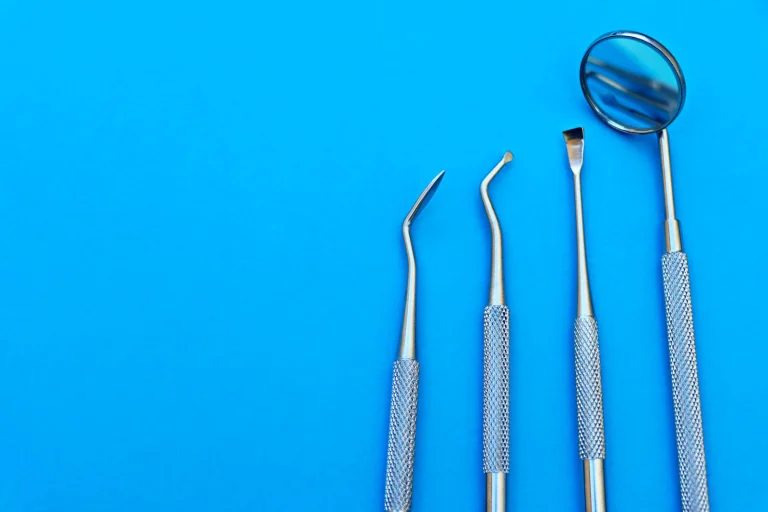
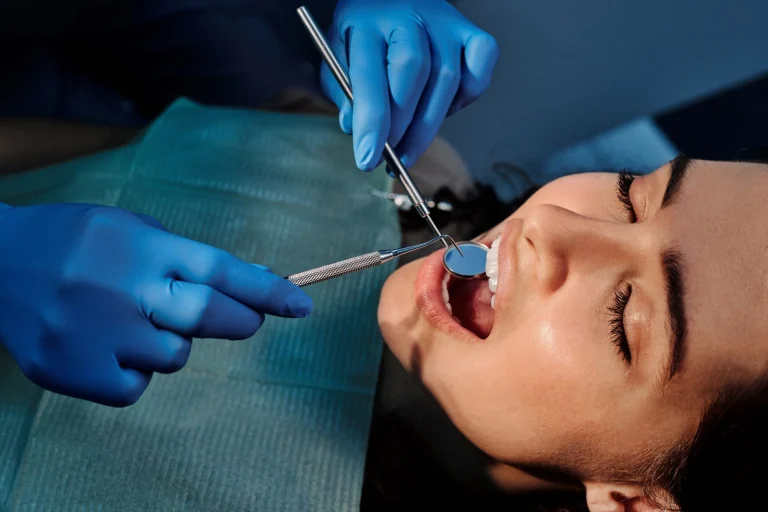
Dr. Haywood examines the area, and digital X-rays help reveal infection, including abscesses that don’t hurt yet. The images appear on screen right away, so you can see the problem for yourself. See dental technology.
Root canal therapy
When infection reaches the pulp, root canal therapy removes the infection from inside the tooth, relieves infection symptoms and lets you keep the tooth. Depending on how severe the infection is, treatment can take two or more appointments. The tooth is then capped with a porcelain crown to help keep it from being re-infected. See root canals.
Tooth extraction
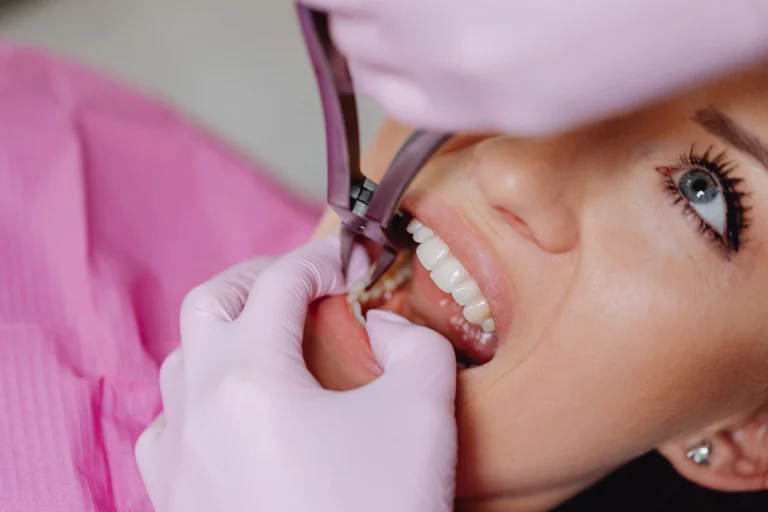
When a tooth is so decayed and infected that keeping it could harm your other teeth or your overall health, extraction may be the best option. The tooth is removed gently, and afterward your options for replacing it, such as an implant, a bridge or dentures, are discussed. See tooth extractions.
Gum infection treatment
Most gum care here is non-surgical: 98 percent of the practice’s periodontal therapy is non-surgical and comfortable. Scaling and root planing removes harmful bacteria from beneath the gums, oral DNA testing identifies which periodontal pathogens are present, and the Picasso laser brings precision and comfort to soft tissue procedures. Holistic care at the practice also includes laser and ozone periodontal disinfection. See gum disease treatment.
Rebuilding after an infection
Once the infection is gone, restorative dentistry rebuilds what was lost, with tooth-colored fillings, inlays and onlays, porcelain crowns, bridges, dentures or dental implants. See restorative dentistry.
After treatment
Some discomfort for several days after a root canal is normal, especially when chewing; take pain medication as recommended and rinse with warm salt water. After an extraction, some pain and swelling is normal and usually subsides after 48 hours. Call the office immediately if you have heavy bleeding, severe pain, swelling that continues for 2–3 days or a reaction to medication. See post-op instructions.
How to lower your risk of oral infections
- Brush twice a day and clean between your teeth every day for good oral hygiene.
- Keep regular checkups and cleanings every six months, so decay and gum problems are caught early.
- Don’t ignore bleeding gums, a broken filling or a chipped tooth.
- Protect your teeth with a custom bite guard if you grind, since grinding and clenching can crack teeth.
- Get tooth pain or sensitivity checked promptly rather than waiting to see if it passes.
Gum changes are also common during pregnancy and worth watching; see oral health during pregnancy.
Paying for treatment
The practice is out of network with all dental insurance companies: payment is made at the time of service, including for emergency care, and the office files the claim on your behalf so your plan can reimburse you for what it covers. Health savings and flex plans are welcome, and financing is available through CareCredit, with no-interest options for up to 12 months, and Cherry, with payment plans from 3 to 24 months. See financing options.
Frequently asked questions
Can a tooth infection go away on its own?
No. Pain may come and go, but the source of the infection remains until it is treated, and it can spread.
Will antibiotics cure a tooth infection?
Antibiotics can slow the spread, but you still need dental treatment. A root canal or an extraction can resolve abscess pain.
What are the most common causes of an oral infection?
Untreated tooth decay, cracked teeth and gum disease are among the most common causes. Injuries and mouth sores can also become infected.
How do I know if my gums are infected?
Bleeding or receding gums, bad breath, deep pockets in the gums and pus around the gumline can all mean infection. An exam can confirm it.
Is a swollen face a dental emergency?
Yes. A toothache with facial swelling needs prompt care, so call the office right away, and seek emergency medical care if swelling affects breathing or swallowing.
Get an infected tooth treated in Timonium
Don’t wait for an oral infection to get worse. Request an appointment or call (410) 453-9399, early in the day if you are in pain. The office of Dr. Steven W. Haywood, DDS is at 108 W Timonium Rd, Ste 200, Timonium, MD 21093.
Ready to see your future smile?
Tooth pain or swelling? Call Dr. Haywood’s Timonium office early in the day.