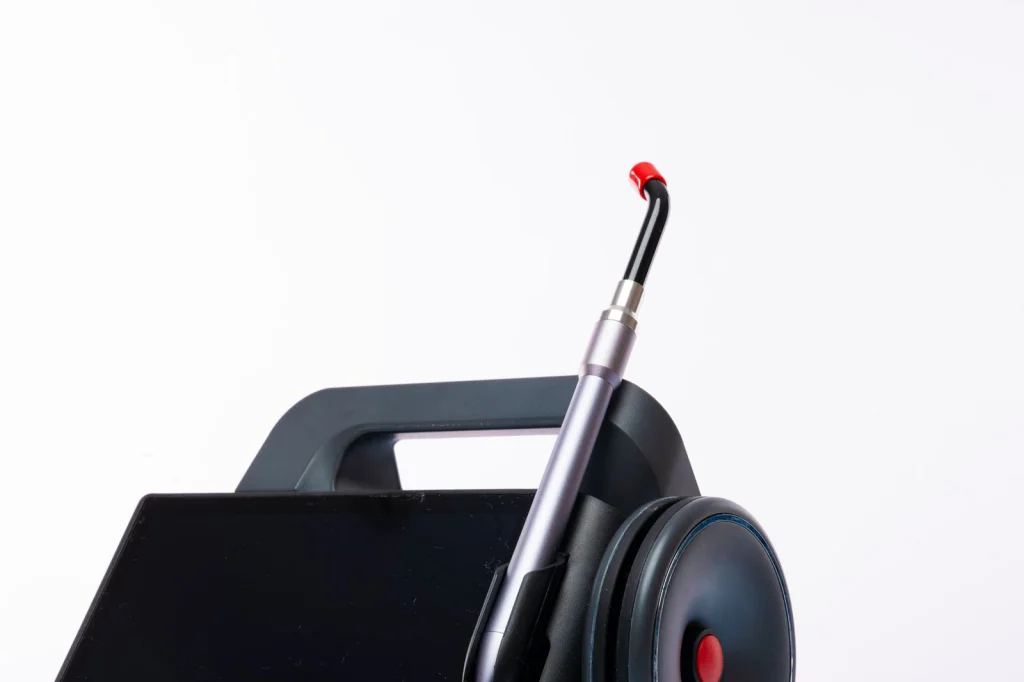
What are the benefits of laser dentistry? The main advantages are precision, comfort and, for some uses, a gentler and less invasive approach: a dental laser can target a small area while leaving surrounding tissue alone, clear bacteria from infected gums without chemicals, find early decay before it hurts, and speed up in-office whitening. What those benefits look like for you depends on what the laser is being used for, because “laser dentistry” covers very different tools.
At the Timonium office of Dr. Steven W. Haywood, DDS, lasers are used in three specific ways: laser and ozone gum therapy, DIAGNOdent laser decay detection, and laser power whitening. This guide explains each one, what the benefits of laser dentistry are in plain terms, and what lasers do not replace.
What is laser dentistry?
A dental laser produces a concentrated beam of light energy. Different lasers are built for different jobs. Some are used to treat soft tissue such as the gums. Some are used for diagnosis, reading how a tooth responds to light to detect decay. Others are used to activate a whitening agent so it works faster. A laser is an instrument, and like any instrument its value depends on the task and on the dentist using it.
Lasers have not replaced traditional dental tools. In most practices they sit alongside hand instruments, ultrasonic scalers, digital X-rays and other equipment, and are chosen when they offer a real advantage for a particular step.
The main benefits of laser dentistry
Precision
A laser can be directed at a very small area. For soft tissue work that means treating the infected or affected tissue while disturbing the healthy tissue around it as little as possible. The practice uses the Picasso laser because it brings greater precision, accuracy and comfort to periodontal (gum) care.
A more comfortable experience
Many patients worry about gum treatment. Laser technology makes periodontal therapy less invasive and more comfortable, which matters if dental visits make you anxious. Comfort is personal, so no honest dentist promises that any treatment is painless, but a less invasive approach is a real advantage.
Clearing infection without chemicals
In gum therapy, laser dentistry and ozone therapy work together to clear bacteria and infection from the gums without chemicals, which tends to mean faster healing. For patients who prefer a holistic approach, avoiding chemical disinfectants where possible is a meaningful benefit.
Finding problems earlier
Not every dental laser treats anything. DIAGNOdent is a laser pen that can detect small amounts of decay at the earliest stages, sometimes before it can be seen on an X-ray. Finding decay early can reveal a problem before any discomfort develops, so there are fewer surprise cavities.
Faster, more dramatic whitening
In laser power whitening, the laser activates the hydrogen peroxide in the whitening agent, significantly increasing the rate and efficacy of the treatment so stains dissolve. It is the quickest and most dramatic way to whiten teeth offered at the practice.
How Dr. Haywood uses lasers in Timonium
Laser and ozone gum therapy
Gum disease is the leading cause of tooth loss in adults, and bleeding, swollen or receding gums, bad breath and deep pockets can all be signs of infection. At the practice, 98 percent of periodontal therapy is non-surgical. Care starts with careful measurements and, where it helps, oral DNA testing to identify which of the 11 most suspected periodontal pathogens are present. Non-surgical scaling and root planing clears harmful bacteria from beneath the gums, and depending on your plan, treatment may add irrigation, site-specific antibiotics and laser therapy. Laser and ozone therapy fit the practice’s holistic approach because they clear bacteria and infection without chemicals. Read about gum disease treatment and holistic dentistry.
DIAGNOdent laser decay detection
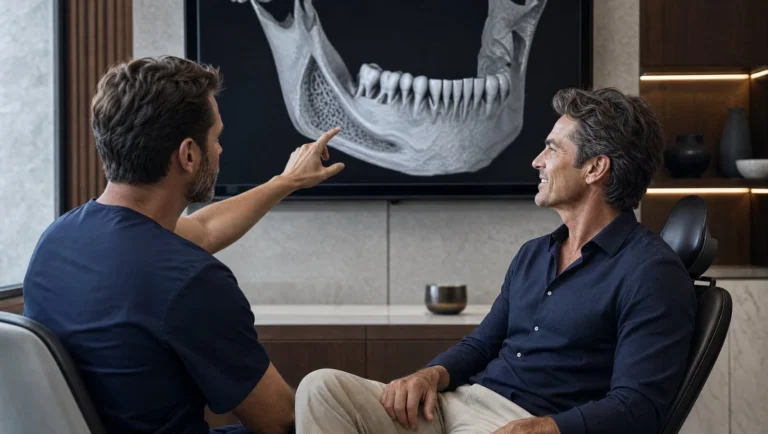
During a check-up, DIAGNOdent helps find decay at its earliest stages, working alongside digital X-rays and intraoral cameras. Digital X-rays appear on screen right away with less radiation than film, and intraoral cameras zoom in on each section of your mouth, so Dr. Haywood can show you what the team sees. See the full range of dental technology at the practice.
Laser power whitening
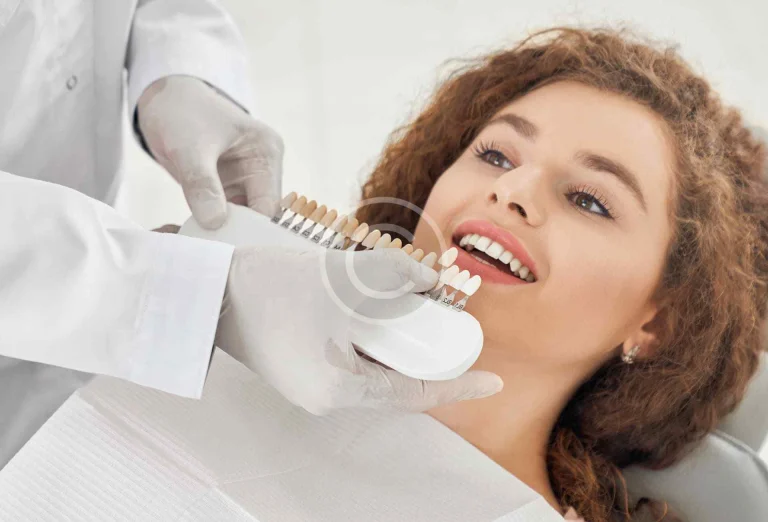
Laser whitening begins with a thirty-minute in-office chemical whitening treatment. A laser is then applied for 1 to 2 hours to activate the hydrogen peroxide so stains dissolve. Dr. Haywood customizes the plan to your smile, and if your teeth are very dark, you will be counseled on your options first. The practice describes laser power whitening as highly effective and safe, and the whole treatment happens in the office. Learn more about laser whitening in Timonium.
What lasers don’t replace
Lasers are one set of tools among many. They do not replace a thorough exam, digital X-rays, professional cleanings or good home care. A professional cleaning every six months is recommended, and cleaning appointments at the practice last a full 60 minutes. Gum infection that is treated can be managed and controlled, but it is never completely cured, so periodontal maintenance and regular hygiene visits still matter after laser therapy. Everyday care, including brushing and cleaning between your teeth, remains your part of the job.
It is also worth knowing that a laser is not automatically better for every step. Many dental procedures are still done best with traditional instruments, and the right choice depends on your mouth and your treatment plan.
Why don’t more dentists use lasers?
Dental lasers are an added investment in equipment and training, and each laser is designed for particular tasks. Some dentists choose other tools for the procedures they perform most, and that can be a perfectly sound choice. What matters for you is whether the tools a practice uses suit the treatment you need. If you are curious whether a laser would play a part in your care, ask.
Laser dentistry and a holistic approach
Dr. Haywood chooses dental materials and treatments with your whole body in mind. The practice is mercury-free, avoids nickel and bisphenol plastics, and restores teeth with non-toxic, biocompatible materials. Laser and ozone gum therapy fit that philosophy: they are chosen because they clear bacteria and infection without chemicals. Explore general dentistry in Timonium to see how gum care, cleanings and check-ups fit together.
Paying for laser treatment
The practice is out of network with all dental insurance providers. You pay at the time of your visit, and the office files the claim on your behalf so your plan can reimburse you for whatever it covers. Health savings and flex plans are welcome, and financing is available through CareCredit, with no-interest options for up to 12 months, and Cherry, with plans from 3 to 24 months. See financing options.
Frequently asked questions
Does laser gum treatment hurt?
Laser technology makes periodontal therapy less invasive and more comfortable. If you are nervous, laughing gas is offered as a complimentary service, and oral sedation is also available.
Do gums grow back after laser treatment?
Laser and ozone gum therapy are aimed at clearing bacteria and infection so the gums can heal. They are not a way to regrow gum tissue that has already receded. Dr. Haywood can explain what treatment can and cannot do for your gums at an exam.
Can DIAGNOdent replace X-rays?
No. DIAGNOdent works alongside digital X-rays. It can detect small amounts of decay at the earliest stages, sometimes before decay shows on an X-ray, while X-rays show areas and problems a laser pen cannot.
How long does laser whitening take?
Treatment starts with a thirty-minute in-office whitening treatment, followed by the laser for 1 to 2 hours.
Does the practice use lasers for other treatments?
At the practice, lasers are used for laser and ozone gum therapy, DIAGNOdent decay detection and laser power whitening. Ask at your visit if you have questions about a specific procedure.
Ask about laser dentistry in Timonium
If you have bleeding gums, want to know more about early decay detection, or are thinking about laser whitening, request an appointment or call (410) 453-9399. The office of Dr. Steven W. Haywood, DDS is at 108 W Timonium Rd, Ste 200, Timonium, MD 21093. Office hours are Monday 8:30 AM to 6:30 PM, Tuesday 8:30 AM to 5 PM, Wednesday 8:30 AM to 3:30 PM, Thursday 8:30 AM to 4:30 PM and Friday 8:30 AM to 4 PM, and the office is closed Saturday and Sunday.
Ready to see your future smile?
Ask about laser gum therapy, DIAGNOdent or laser whitening at your next Timonium visit.