A same-day crown is designed, made and placed in a single appointment, usually from a digital scan and a ceramic block shaped in the office while you wait. A traditional crown takes two appointments: one to prepare the tooth and take an impression, and one to fit and bond the finished crown, with a temporary crown protecting the tooth in between. At the Timonium office of Dr. Steven W. Haywood, DDS, crowns are usually completed in two appointments. Whichever route a crown takes, the steps that matter most are the same, and knowing them helps you ask the right questions.
This article explains how the same-day crown procedure generally works, how the two-visit crown process works at the practice step by step, why a root canal and a crown don’t always happen on the same day, and what to do if you are working against a deadline.
How the same-day crown procedure generally works
Offices that make crowns in a single visit typically follow a similar sequence:
- The tooth is numbed, and decay and damaged structure are removed.
- The prepared tooth is scanned with a digital camera instead of an impression.
- The crown is designed on a computer and shaped from a solid ceramic block by an in-office machine.
- The crown is checked, adjusted, finished and bonded, all before you leave.
The appeal is obvious: no temporary crown and no second trip. But speed is only one consideration. Fit at the edges, a balanced bite and a natural color match are what decide whether a crown protects the tooth and blends in, and those are worth asking about no matter how many visits a crown takes.
The crown process at the practice, step by step
Here is how a porcelain crown is planned, made and placed at the Timonium office.
Step 1: A look at the tooth and your options
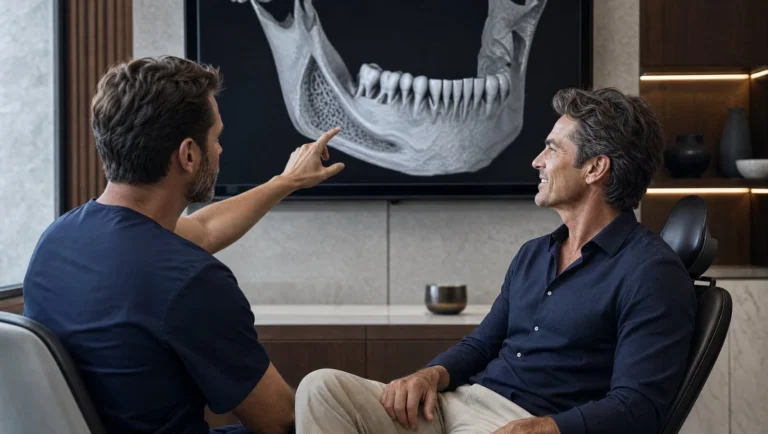
Your visit starts with a relaxed, no-pressure look at the tooth using digital X-rays and intraoral cameras, with the images on screen so you can see what Dr. Haywood sees. If a more conservative option such as a filling or an onlay will do the job, that comes first. Read are you an ideal candidate for a dental crown? to see where that line usually falls.
Step 2: Preparing the tooth
After the tooth is numbed, damaged structure and any decay are removed, and the tooth is shaped so the crown can fit over it.
Step 3: The impression
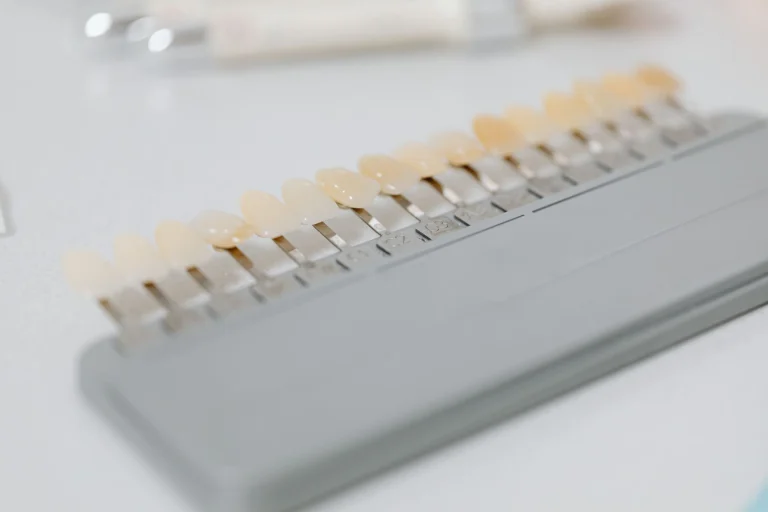
An impression of the prepared tooth is taken to guide your custom crown. This step is very important: the impression dictates the precision of the permanent crown, and more than one may be taken to get it right. Each crown is crafted personally for you from these impressions, in high-quality porcelain made to replicate the color and translucence of your natural teeth.
Step 4: The temporary crown
Before you leave, a temporary crown is placed to protect the tooth. The size, shape and color of the temporary don’t resemble the final crown, so don’t judge the result by it.
Step 5: Fitting, bonding and polishing
At the second appointment, Dr. Haywood removes the temporary and checks the new crown for an ideal fit. Once it is right, the crown is bonded to the tooth and polished.
Living with a temporary crown between visits
A temporary crown is easy to dislodge, so a little care goes a long way:
- Avoid sticky foods such as caramel and chewing gum.
- When flossing, pull the floss out the side instead of popping it up through the contact with the next tooth.
- Some sensitivity to hot or cold is common, because a temporary doesn’t fit the prepared tooth as accurately as the final crown.
- Your gums may be sore. Warm salt water rinses help them heal.
- If the temporary comes off, put a little Fixodent inside, place it back on and call the office during business hours to have it re-cemented.
- Don’t leave the temporary off, even if the tooth feels fine. Teeth can shift without it, and the permanent crown may no longer fit.
More detail is on the post-op instructions page.
Root canal and crown on the same day?
Many people who search for a same-day crown have just been told they need a root canal. The two treatments are closely linked, but they often don’t happen at the same visit.
Why the root canal comes first
When infection reaches the pulp inside a tooth, root canal therapy removes the cause of the pain and can save the tooth. Depending on how severe the infection is, treatment can take two or more appointments, with a temporary filling or crown protecting the tooth in between. If you came in with a severe toothache or swelling, it takes time to heal, and flare-ups between appointments can happen.
Why the crown follows
A tooth is very fragile after root canal treatment. At the practice, every root canal is finished with a porcelain crown, which protects the tooth from breaking and helps keep it from being re-infected. Until the permanent crown is placed, avoid sticky and hard foods and don’t chew on that side. If the whole temporary filling falls out or a temporary crown comes off, call so it can be replaced. See root canals.
How long the crown process takes
For a tooth that only needs a crown, the process usually spans the two appointments described above. It takes longer when other treatment has to come first, such as a root canal, treatment for gum disease, or a procedure to expose more tooth above the gums. Read what is crown lengthening? for that last situation. Dr. Haywood will explain the full sequence for your tooth before anything begins.
Racing a deadline?
If a wedding, trip or big presentation is coming up, tell the team when you call. A few options may help:
- A same-day smile makeover. The practice makes time in its schedule for one-day makeovers, which can include a brighter smile or fixing a broken tooth. See same-day smile makeovers.
- Dental bonding. A chip can often be repaired with tooth-colored composite resin in a single visit, typically with no anesthesia. See dental bonding.
- Planning around the temporary. A well-made temporary crown lets you go about normal life while the permanent crown is made.
Cost, insurance and financing
Your fee depends on the tooth and on what treatment it needs, and is set after an exam. The practice is out of network with all dental insurance companies. You pay at the time of your visit, and the office files the claim so your plan can reimburse you for what it covers. Health savings and flex plans are welcome, and financing is available through CareCredit, with no-interest options up to 12 months, and Cherry, with plans from 3 to 24 months. See financing options.
Frequently asked questions
Does Dr. Haywood make same-day crowns?
The practice’s crowns are usually completed in two appointments, with a temporary crown in between. If finishing quickly matters to you, mention it when you call and the team can talk through your timing.
Is a two-visit crown worse than a same-day crown?
Not in itself. What matters most is a precise fit, a balanced bite and a natural color match. At the practice, each porcelain crown is made from impressions of your own tooth and checked for fit before it is bonded.
Can I get a root canal and a crown on the same day?
Usually not. Root canal therapy often takes two or more appointments depending on the infection, and the permanent porcelain crown is placed once treatment is complete.
What if my temporary crown falls off over the weekend?
Put a little Fixodent inside, place it back on and call the office during business hours to have it re-cemented. Don’t leave it off, even if the tooth feels fine.
Start your crown in Timonium
If you have a cracked, broken or heavily filled tooth, or have been told you need a crown after a root canal, request an appointment or call (410) 453-9399. The office of Dr. Steven W. Haywood, DDS is at 108 W Timonium Rd, Ste 200, Timonium, MD 21093. Learn more about dental crowns and all of the options in restorative dentistry.
Ready to see your future smile?
Book an exam in Timonium and get a clear timeline for your crown.