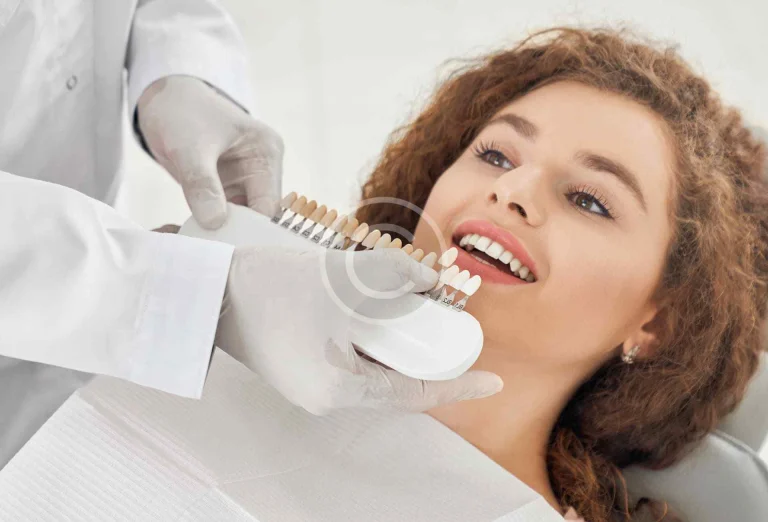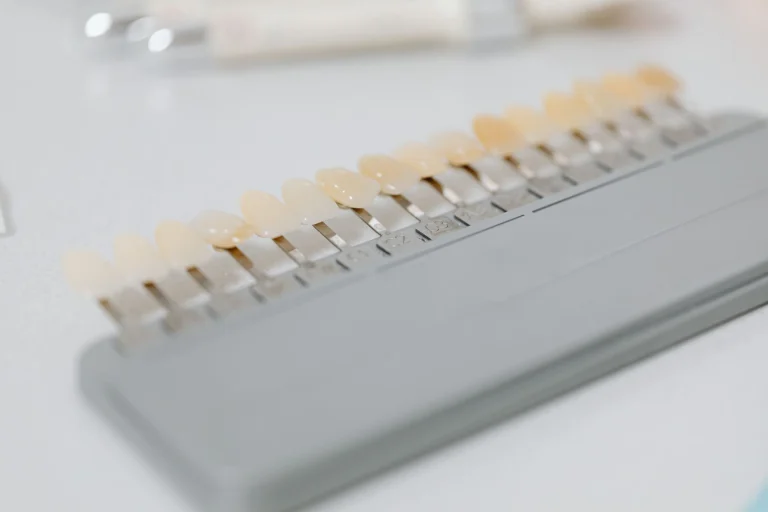
Veneers come in three main types of material: conventional porcelain, ultra-thin porcelain (the kind sold under names such as DURAthin and Lumineers) and composite resin. Porcelain veneers are made in a dental laboratory, resist stains better than natural teeth or composite and can last for decades with good care. Ultra-thin porcelain uses the same kind of material but keeps more of your natural enamel, and only suits certain teeth. Composite resin veneers are sculpted directly on the tooth, often in one visit, and are usually the most affordable and conservative choice, with a shorter lifespan and more tendency to stain.
Below, Dr. Steven W. Haywood, DDS explains how each veneer material works, what it is good at, where it falls short, and how the choice is made for your smile at the Timonium office.
Veneer materials at a glance
- Conventional porcelain veneers: lab-made ceramic shells, a small amount of enamel reshaped, very stain resistant, long lasting, suit damaged or darker teeth.
- Ultra-thin (prepless) porcelain veneers: the same kind of porcelain made very thin, little or no drilling, suit teeth that are already a good starting point.
- Composite resin veneers: tooth-colored resin sculpted on the tooth, often a single visit, typically no anesthesia, more affordable, stain and chip more easily.
1. Conventional porcelain veneers
How they are made
Porcelain veneers are thin, translucent shells bonded to the front of your teeth. The tooth is lightly reshaped on the front and edge, the shape and shade of your new smile are planned, and the veneers are made in a laboratory. At the practice, porcelain veneers are hand-crafted in the USA by master ceramists, and every case includes a “test drive” set so you can judge the look before the final veneers are made.
What porcelain does well
- Looks like enamel. Porcelain stays naturally translucent and shiny once it is bonded, the way healthy enamel does.
- Resists stains. Porcelain resists staining better than natural teeth or composite resin.
- Lasts. With appropriate home care and professional care, porcelain veneers can last for decades.
- Strengthens the tooth. A veneer partially wraps the tooth like a suit of armor, protecting and strengthening it.
- Handles bigger changes. Porcelain can cover older dental work, chips, worn edges and darker teeth.
Limits to know
Conventional veneers involve reshaping some enamel, take more than one visit because they are made in a lab, and cost more than resin. Porcelain is strong, but it isn’t indestructible: teeth should never be used to open packages or cut things, and bite protection is recommended for any cosmetic work.
2. Ultra-thin porcelain veneers
Same material, less preparation
You will see ultra-thin veneers advertised under names like DURAthin, Lumineers and DaVinci. Dental veneers are made of the same materials, and those names are mostly marketing for the thinnest veneers. What makes them different is how thin they are, and so how little of your tooth needs to be reshaped. Prepless veneers can be bonded with little or no drilling, preserving most if not all of your natural enamel. The practice offers prepless veneers, including DURAthin veneers, with each veneer customized exclusively for you and made in the USA using US-certified laboratories.
What thin porcelain does well
For the right teeth, prepless veneers can close gaps and spaces, brighten teeth without whitening, make teeth look straighter without braces and strengthen chipped teeth without crowning them. They are more durable than cosmetic bonding, and a prepless veneer smile can be finished in as little as 1–2 weeks.
Limits to know
Thin veneers cannot solve every problem. Over a very dark or damaged tooth, a veneer may need to be more opaque or thicker in places. Adding porcelain to a tooth that already sits forward can make it look bulky, which is why Invisalign is sometimes used to move teeth first. Prepless veneers are also a demanding procedure that takes experience and training. To compare the levels of preparation, read minimal prep vs prepless porcelain veneers.
3. Composite resin veneers
How they are placed
Composite veneers, also called direct bonded veneers, are made of tooth-colored composite resin matched to your teeth. Instead of being made in a lab, the resin is sculpted directly on the tooth. The tooth is etched so the bonding agent can adhere, the resin is placed and shaped, and then it is trimmed and polished to a natural finish. Dental bonding like this can be completed in a single visit and typically requires no anesthesia.
What composite does well
- Conservative. Bonded veneers are often the most conservative cosmetic option.
- Quick. The change happens in the chair, often in one appointment.
- Affordable. Bonding is one of the most affordable cosmetic procedures in dentistry.
- A useful first step. Bonding is often a first step in a larger smile makeover.
Limits to know
Composite resin can stain, so coffee, tea, cola and red wine leave more of a mark than they do on porcelain. Resin is also not as strong as enamel, so it can chip if you bite hard objects. Composite veneers serve the same purpose as porcelain but have a shorter lifespan on average.
Veneer material science in plain terms
Why do the materials behave so differently? Porcelain is a ceramic. It is fired into a hard, glassy material that lets light pass into it and reflect back, which is a big part of why it can look so much like enamel. Its smooth, dense surface is also why stains have a hard time sticking to it.
Composite resin is a tooth-colored plastic material filled with fine particles. It starts soft, which is what lets it be sculpted right on your tooth, and then it is hardened in place. That flexibility is its advantage: it can be shaped, adjusted and added to. The trade-off is a surface that is less resistant to stains and wear than porcelain.
Neither material bonds well to a tooth by accident. Both rely on careful bonding technique, and porcelain in particular bonds well to enamel, which is one reason dentists try to keep as much healthy enamel as they can.
How to choose a veneer material
The best material depends on your teeth and your goals, not on a brand. As a rough guide:
- You want a quick, affordable fix for one small chip or gap: composite bonding is often the place to start.
- You want a long-lasting, stain-resistant result across several teeth: porcelain veneers are usually the stronger choice.
- Your teeth are healthy and you want to keep your enamel: ask whether ultra-thin prepless veneers suit you.
- Your teeth are dark, damaged or have older dental work: conventional porcelain veneers, or sometimes a crown, may be needed. See are you a candidate for traditional veneers?
- Your teeth are out of position: moving them first with Invisalign may open up a more conservative option.
Many smiles use more than one material. A plan might combine porcelain veneers on the most visible teeth with bonding elsewhere, or whitening with a few veneers.
Why the dentist matters more than the material
The brand name doesn’t make a smile beautiful; the skill and artistic vision behind each custom design does. Dr. Haywood insists on a natural, never-fake look and trained in cosmetic dentistry at New York University’s Aesthetic Continuum. For a closer look at how a natural result is designed, read the artistry of cosmetic dentistry.
See the result before you choose
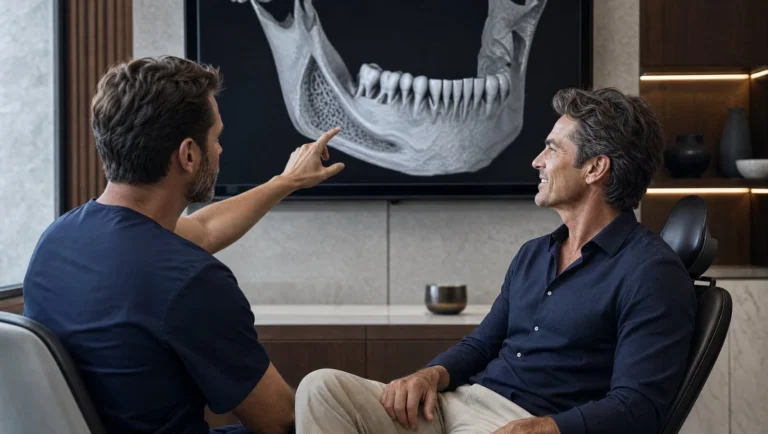
Every cosmetic evaluation at the practice includes a before-and-after demonstration. Digital photographs of your smile are changed on the cosmetic imaging computer so you can see possible changes and plan them together. With porcelain veneers, the test-drive set adds a second check before anything is final.
Caring for each veneer material
- All veneers: brush and floss daily, keep up with professional cleanings, wear bite protection if it is recommended, and don’t use your teeth as tools.
- Porcelain: limit staining foods for the sake of your natural teeth, and whiten routinely so they stay matched to your veneers.
- Composite: brush, or at least rinse well with water, after cola, coffee, tea or red wine, and avoid biting hard objects.
More detail is in how to care for porcelain veneers.
What each material costs
Every case is unique, so fees are set after an assessment. Porcelain generally costs more than resin bonding, but it looks more natural, doesn’t break as easily and won’t stain or wear. Prepless veneer fees are quoted per tooth after a customized smile evaluation. Payment options, financing and pre-payment discounts are available.
The practice is out of network with all dental insurance providers: you pay at the time of your visit, and the office files the claim so your plan can reimburse you for whatever it covers. HSA and flex plans are welcome, and financing is available through CareCredit, with no-interest options up to 12 months, and Cherry, with plans from 3 to 24 months. See financing options.
Frequently asked questions
Which veneer material lasts the longest?
Porcelain. With appropriate home and professional care, porcelain veneers can last for decades, while composite veneers have a shorter lifespan on average.
Are Lumineers different from other porcelain veneers?
Dental veneers are made of the same materials, and names like Lumineers, DURAthin and DaVinci are mostly marketing for the thinnest veneers. What matters is whether a thin veneer suits your teeth and the skill behind the design.
Do composite veneers stain?
They can. Composite resin picks up stains more easily than porcelain, so rinsing after coffee, tea, cola or red wine helps keep it looking new.
Can I start with bonding and choose porcelain later?
Yes. Bonding is often a first step in a larger makeover, and a plan can be staged over time.
Compare veneer materials in person
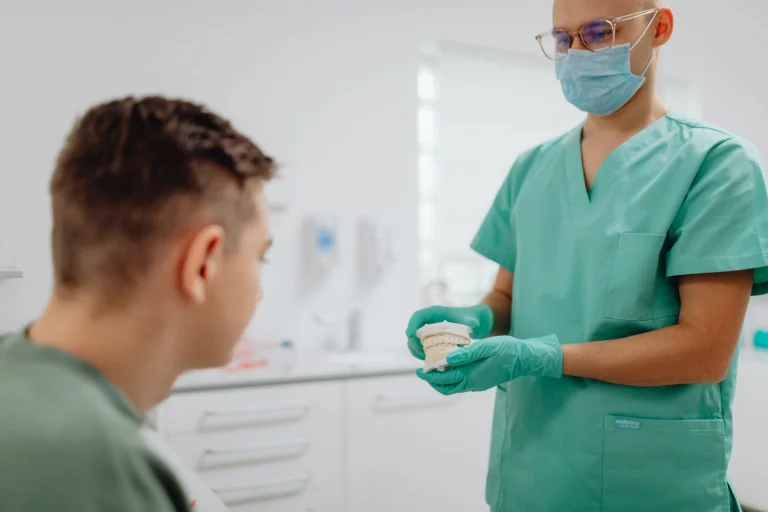
If you are weighing porcelain, prepless or composite veneers, a smile evaluation shows which options suit your teeth and what each would look like. Request an appointment or call (410) 453-9399. The office is at 108 W Timonium Rd, Ste 200, Timonium, MD 21093. Learn more about dental veneers.
Ready to see your future smile?
Book a smile evaluation in Timonium to see which veneer material suits your teeth.