At the Timonium office of Dr. Steven W. Haywood, DDS, there are three Invisalign treatment options: Invisalign for adults, Invisalign Teen and Invisalign Express. Between them, they address crowded or crooked teeth, gaps between teeth, bite issues and small, minor tooth movements. When clear aligners aren’t the right tool for a case, the practice also offers metal braces for complex orthodontic work and “instant orthodontics” with veneers, bonding and crowns. Which option fits depends on the movement your teeth actually need.
This article walks through each Invisalign option, the problems each can treat, how to match your problem to the right treatment, and when another approach fits better. If you want to know what daily life with aligners is like, read Invisalign in real life instead.
The Invisalign options at the Timonium office
Invisalign
Invisalign uses a series of custom-fitted clear aligners for the upper and lower teeth, made of a smooth, BPA-free clear material. Each set makes small, progressive movements, and together they move teeth gradually into position. It is suited to both cosmetic concerns and bite issues, and it is the full course of treatment for adults whose teeth need more than a small correction.
Invisalign Teen
Invisalign Teen uses clear aligners designed specifically for teenagers instead of metal brackets. It can straighten minor misalignment issues, is built to make tracking progress easy, and needs fewer appointments and less treatment time than most traditional treatments. The best time to consider orthodontics is once the permanent teeth have grown in. See Invisalign Teen.
Invisalign Express
If your teeth need only minor movement, a full course of treatment may be more than you need. Invisalign Express is a thrifty way to achieve minor tooth movements.
Problems Invisalign can treat
Crowded or crooked teeth
Teeth that overlap or twist are harder to keep clean, because they leave places for bacteria to collect. Invisalign clear aligners apply gentle pressure to move each tooth gradually into a straighter position. Straight, uniform teeth are easier to clean and less likely to develop dental problems.
Gaps and spacing
Teeth spaced far apart can bother you every time you smile. A series of custom aligners makes small, progressive movements to bring the teeth into a more even line.
Bite issues
Invisalign isn’t only cosmetic. When there are bite issues to correct, it may be the right way to improve both how your teeth look and your oral health. With proper alignment and a correct bite, pressure is spread evenly when you bite down, reducing the potential for excessive wear and breakage as you age. The need isn’t always obvious: problems such as TMJ disorder or grinding can hint at bite problems worth evaluating. Your bite is evaluated before anything is recommended. For more on bite problems, read can a bad bite cause headaches?
Minor movements
Sometimes only a tooth or two needs to move a little. That is where Invisalign Express fits, as a lighter, more economical course of treatment.
Positioning teeth before cosmetic work
Invisalign can also be part of a cosmetic plan. If teeth need to move into a better position before veneers, aligners can shift them first, which can make a more conservative veneer possible. Invisalign is often combined with veneer makeovers at the practice. Read about minimal-prep and prepless veneers.
Matching your problem to the right option
- An adult with crowding, gaps or a bite that isn’t right: Invisalign is usually where the conversation starts.
- A teenager with minor misalignment: Invisalign Teen, once the permanent teeth are in.
- An adult or teen who needs only a small correction: Invisalign Express.
- Complex orthodontic work, including significant bite and function problems: metal braces may be the better tool.
- Mildly crooked, gapped or discolored front teeth, and a wish for fast results: instant orthodontics with veneers or bonding may be an option.
These are starting points, not diagnoses. Two people with similar-looking teeth can need very different movement, which only shows up on an actual look at your teeth.
When another orthodontic treatment fits better
Metal braces
Metal braces are the most familiar and most economical option, and they suit complex orthodontic work: adjusting the bite and function of the teeth as well as crowding, positioning and gaps. The practice uses the finest, thinnest yet strongest metal for comfort and efficacy.
Instant orthodontics
Instant orthodontics uses porcelain veneers, bonding, crowns and tooth and gum reshaping to transform crooked, gapped or discolored teeth in as little as one or two visits, whether you want a subtle improvement or a dramatic change. It changes how teeth look rather than moving them.
AcceleDent Aura
For patients who want treatment to move faster, AcceleDent Aura uses SoftPulse Technology to speed up tooth movement. You use the mouthpiece and activator for just 20 minutes each day, and the practice’s orthodontics page notes it can decrease the duration of orthodontic treatment by up to 50% and may make treatment feel more comfortable.
See every option on the orthodontics page.
What every Invisalign option has in common
- Clear and barely noticeable. Aligners don’t broadcast that you are in orthodontic treatment.
- Removable. You take them out to eat, drink, brush and floss, so there are no food restrictions and cleaning stays normal.
- Comfortable. Smooth trays with no brackets to irritate your cheeks.
- Worn consistently. Aligners should be worn at least 22 hours a day, and each set is worn for about two weeks.
- Treatment length depends on the case. Invisalign treatment can take 18 to 24 months, depending on the complexity of your case.
- A quick 3D scan. The iTero Element scanner, used for Invisalign scans, creates a 3D visual of your teeth in about 2½ minutes, with less tendency toward gagging.
How the right option is chosen
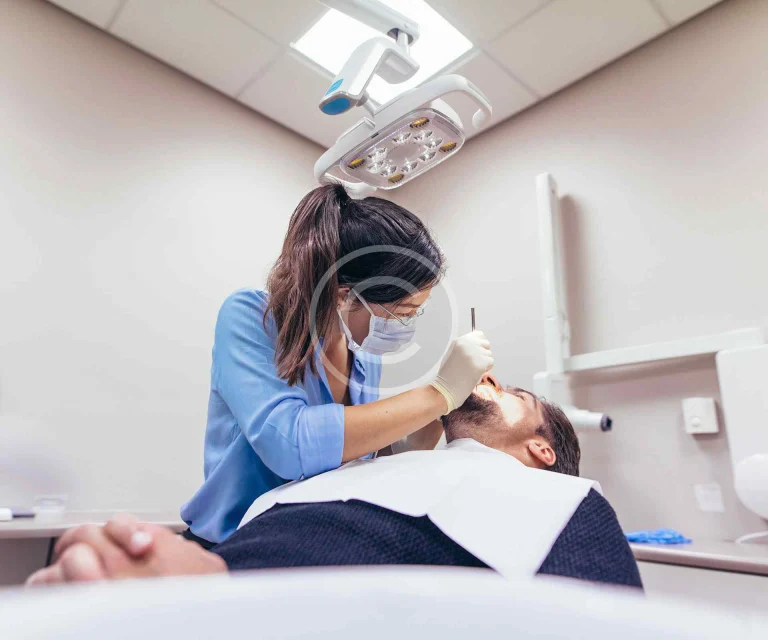
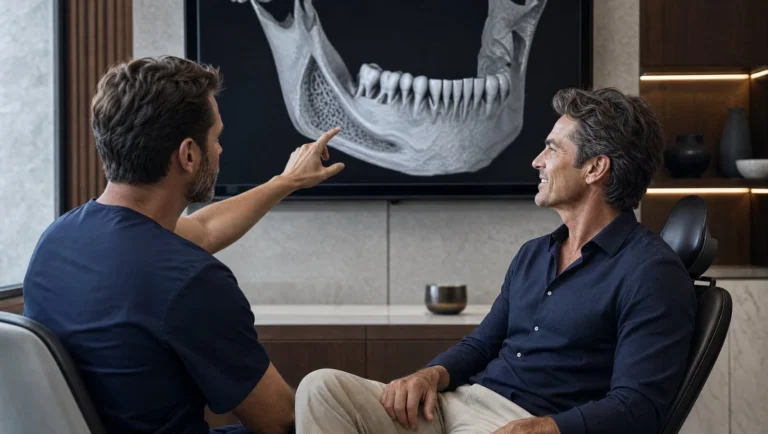
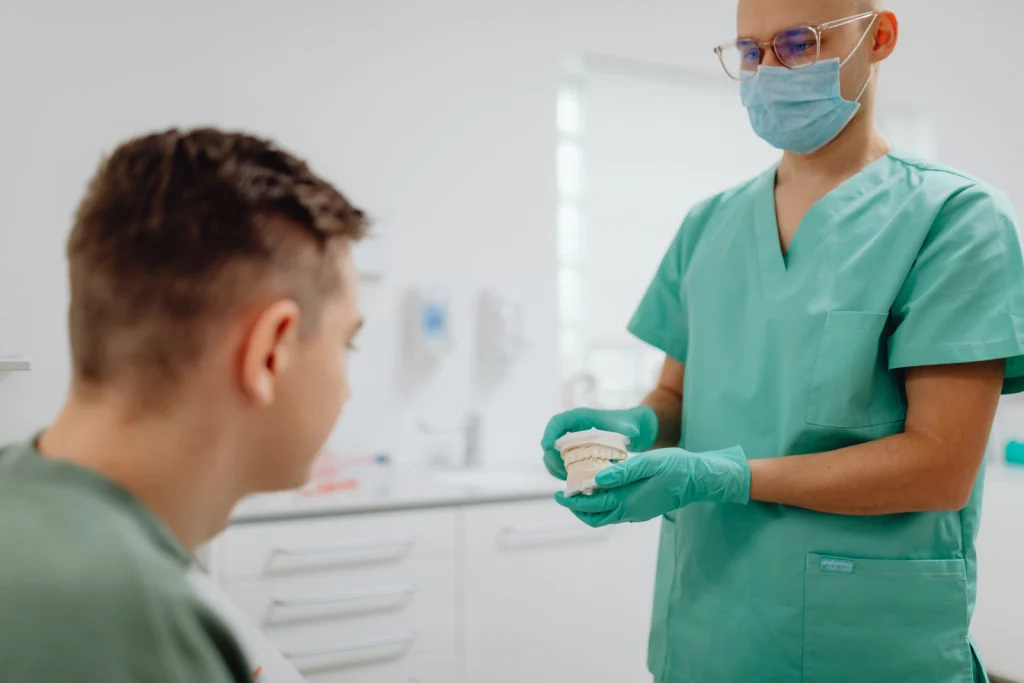
Whether aligners suit your teeth depends on the specific movement your case needs. That takes an actual look at your teeth, not a guess from a photo. At a consultation, Dr. Haywood evaluates crowding, spacing, positioning and signs of bite problems, then talks through your options and a personalized plan built around your needs, comfort and budget.
Dr. Steven W. Haywood, DDS is an Elite Invisalign Provider, a rank based on education and volume of experience, with more than 35 years of experience in dentistry. Because Invisalign, Invisalign Teen, Invisalign Express, metal braces and cosmetic treatment are all offered in the same office, the recommendation can follow your teeth rather than a single appliance. Learn more about Invisalign, or read how to choose an Invisalign dentist.
Paying for Invisalign treatment
There is no single price, because cost depends on which option you need and how complex your case is. The practice is out of network with all dental insurance providers: you pay at the time of service, and the office files the claim so your plan can reimburse you for whatever it covers. Invisalign can be paid in monthly payments in the office after a down payment. HSA and flex plans are welcome, and financing is also available through CareCredit, with no-interest options up to 12 months, and Cherry, with plans from 3 to 24 months. See financing options.
Frequently asked questions
Is there a good alternative to Invisalign?
Yes. Metal braces suit complex orthodontic work and are the most economical option, and instant orthodontics with veneers or bonding can improve crooked or gapped teeth in one or two visits. For a closer comparison, read about clear braces and aligners.
Can Invisalign fix a bite problem?
Invisalign can address bite issues as well as cosmetic concerns. Whether your particular bite suits aligners is decided after it is evaluated, and braces are available for more complex cases.
What is the difference between Invisalign and Invisalign Express?
Invisalign is a full course of treatment for crowding, gaps and bite issues. Invisalign Express is a thrifty option for minor tooth movements when a full course is more than your smile needs.
What age is Invisalign Teen for?
Invisalign Teen is designed for teenagers, and the best time to consider orthodontics is once the permanent teeth have grown in.
Find the right Invisalign option in Timonium
If you are not sure which treatment your teeth need, a consultation will tell you. Request an appointment or call (410) 453-9399 and ask about Invisalign. The office is at 108 W Timonium Rd, Ste 200, Timonium, MD 21093, and adults and teens come for Invisalign from Timonium, Hunt Valley, Towson and Baltimore.
Ready to see your future smile?
Book an Invisalign consultation in Timonium to find the option your teeth need.