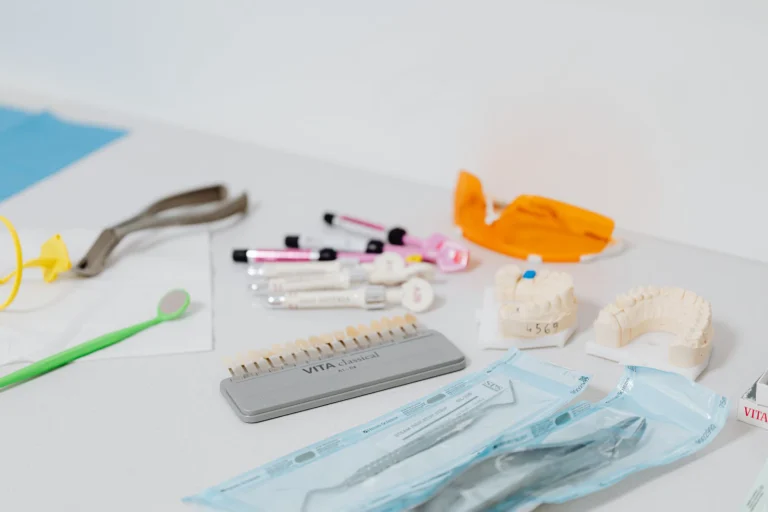

Caring for porcelain veneers is mostly the same good habits that protect natural teeth, plus a few extra precautions. Brush twice a day and floss daily, keep up with professional cleanings, wear bite protection if it is recommended, never use your teeth as tools, and limit staining foods while whitening your natural teeth routinely so they stay matched to your veneers. With appropriate home care and professional care, porcelain veneers can last for decades, and the way you care for your smile is the best predictor of how long they last.
Porcelain veneers can improve a smile dramatically, closing gaps, covering chips and hiding stains. This guide from Dr. Steven W. Haywood, DDS in Timonium explains how to keep that improvement looking new for years: what to do every day, what to avoid, and what to do if something goes wrong.
Why veneer care still matters
Porcelain itself doesn’t get cavities, and it resists stains better than natural teeth or composite. So why worry about care? Because a veneer covers only the front and edge of a tooth. The rest of the tooth, the edges where porcelain meets enamel, and the gums around it are still living tissue that can develop decay or gum disease if plaque builds up. Healthy gums also frame the veneers, so gum inflammation or recession can change how a smile looks.
Care also protects the porcelain from the things that can damage it: hard biting forces, grinding and habits like chewing on objects.
Daily home care for porcelain veneers
Brushing
Brush twice a day, paying attention to the gum line where the veneer meets the tooth. A soft-bristled brush and a gentle technique clean well without wearing on your gums or the polished surface of the porcelain. Scrubbing harder doesn’t clean better; read smart brushing beats aggressive brushing for the details. Many people also find a non-abrasive toothpaste a sensible choice for cosmetic dental work.
Flossing
Floss once a day. Veneers are bonded to your teeth, so flossing between them is safe and important, because the spaces between teeth are where plaque hides. Guide the floss gently down the side of each tooth and just under the gum line rather than snapping it through the contact.
Other cleaning tools
If flossing is hard for you, other tools can help you clean between teeth consistently. See why a water flosser might be a good idea, and ask at your next cleaning which option suits your mouth.
Protect your veneers from your bite
Bite protection is recommended for any cosmetic treatment to protect your investment. That matters most if you grind or clench your teeth, which many people do in their sleep without realizing it. Signs can include jaw soreness in the morning, headaches, or worn and chipped edges on your natural teeth. If your bite needs attention, it is part of planning veneers in the first place, and grinding or TMJ issues can hint at bite problems worth evaluating.
Habits to avoid with veneers
- Using your teeth as tools. Never use your teeth to open packages or bottles or to cut things.
- Chewing hard objects. Pens, fingernails, ice and hard candy put concentrated force on the edges of your front teeth.
- Biting straight into very hard foods. Cutting hard foods into smaller pieces and chewing with your back teeth takes pressure off your front veneers.
- Skipping protection in sports. A blow to the mouth can damage any tooth. If you play contact sports, ask about a mouthguard.
Food, drinks and stains
Porcelain resists stains better than natural teeth or composite, so coffee, tea and red wine are much less of a concern for the veneers themselves. The teeth around them are a different story. Your natural teeth can still darken over time, which can make veneers look brighter than their neighbors. That is why limiting staining foods and whitening your natural teeth routinely are part of veneer care.
If part of your smile uses composite bonding rather than porcelain, it is more likely to stain, so brush or at least rinse well with water after cola, coffee, tea or red wine.
Whitening your natural teeth around veneers
Porcelain doesn’t change color with whitening. The shade of your veneers is set when they are made, which is why any whitening you want is usually done before the shade is chosen, and why routine whitening afterward keeps your natural teeth matched to the porcelain. Ask the practice before using whitening products, and see professional teeth whitening for the options.
Professional care and checkups
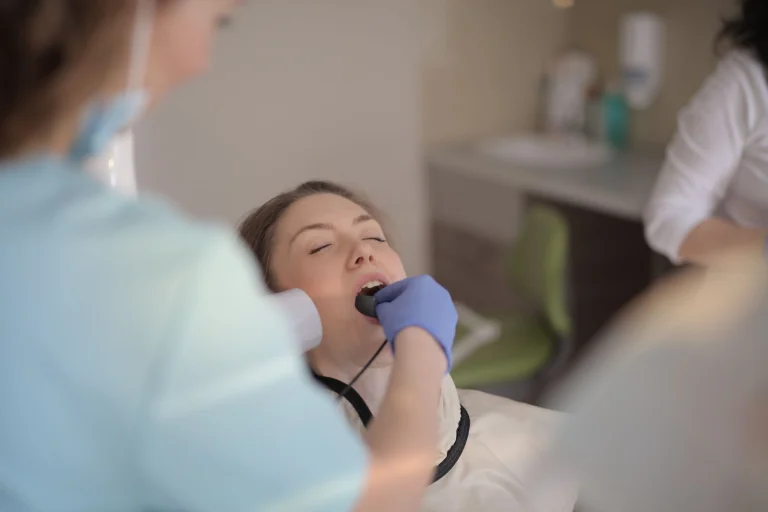
Regular professional visits are the other half of making veneers last. At a cleaning, plaque and tartar are removed from areas that are hard to reach at home, the edges of your veneers are checked, and your gums and bite are looked at. Small issues found early are simpler to fix. For how often to come in, read how often should you get a dental checkup? Mention your veneers at every visit so your care is planned around them.
What to do if a veneer chips or comes loose
- Call the office. Phone (410) 453-9399 and describe what happened.
- Keep any pieces. If a veneer comes off whole, keep it in a clean container and bring it with you.
- Don’t glue it yourself. Household glues can damage the tooth and the veneer.
- Be gentle. Avoid chewing on that tooth until it has been seen.
If a veneer is damaged accidentally, it can typically be corrected easily. Veneers at the practice are warrantied for one full year.
Care for prepless and composite veneers
Prepless veneers are cared for the same way as traditional porcelain veneers: good home care, regular cleanings and bite protection. Composite veneers need a little more attention to staining and to biting hard objects, because resin is not as strong as enamel. To compare how each type behaves, read three types of veneer materials compared.
Good care starts before your veneers are made
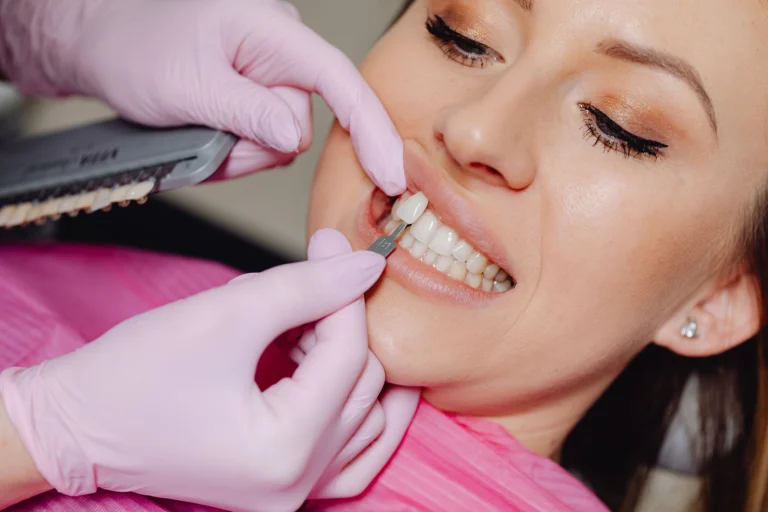
Long-lasting veneers begin with a careful plan. At the practice, veneer treatment starts with a smile evaluation on the cosmetic imaging computer, followed by a test-drive set so you can evaluate the shape, color and look before the final veneers are made. The final porcelain is hand-crafted in the USA by master ceramists. Healthy gums, treated decay and a well-evaluated bite all give your veneers the best foundation. If you are still deciding whether you are a good fit, see are you a candidate for traditional veneers?
Paying for veneer care and repairs
Every case is different, so fees for new veneers or repairs are set after an assessment. The practice is out of network with all dental insurance providers: you pay at the time of your visit, and the office files the claim so your plan can reimburse you for whatever it covers. HSA and flex plans are welcome, and financing is available through CareCredit, with no-interest options up to 12 months, and Cherry, with plans from 3 to 24 months. See financing options.
Frequently asked questions
Can teeth with veneers still get cavities?
The porcelain can’t decay, but the natural tooth underneath and the edges where the veneer meets the tooth can, which is why brushing, flossing and cleanings still matter.
Can I whiten my porcelain veneers?
No. Whitening doesn’t change the color of porcelain. Whitening your natural teeth routinely keeps them matched to your veneers.
Do I need to wear a night guard with veneers?
Bite protection is recommended for any cosmetic treatment, and it is especially important if you grind or clench. Your bite is evaluated as part of your veneer plan.
How long do porcelain veneers last?
With appropriate home care and professional care at the office, porcelain veneers can last for decades.
Keep your veneers looking their best
Whether you have veneers already or are thinking about getting them, the team is happy to check your smile and talk through a care plan. Request an appointment or call (410) 453-9399. Dr. Haywood’s office is at 108 W Timonium Rd, Ste 200, Timonium, MD 21093. Learn more about dental veneers in Timonium.
Ready to see your future smile?
Book a checkup in Timonium to keep your porcelain veneers looking new.