Tooth sensitivity after whitening is common, and it is usually short-lived. According to the post-op instructions at the office of Dr. Steven W. Haywood, DDS, you may be sensitive to cold air and cold fluids after whitening, and the discomfort fades within 24 to 36 hours. Seeing your dentist before you whiten, and knowing what to do afterward, makes that window easier and helps catch the problems that make sensitivity worse.
This guide explains why whitening can make teeth feel sensitive, who is more likely to notice it, how an exam beforehand helps, what to do in the first day or so after treatment, and when sensitivity is a reason to call.
Why whitening can make teeth sensitive
Whitening agents use peroxide to break down the stains in and on your teeth. To reach those stains, the agent has to pass into the tooth, and while it does its work, the tooth can react more strongly to cold than usual. That reaction is temporary. Once treatment is over and the tooth settles, it typically returns to feeling the way it did before.
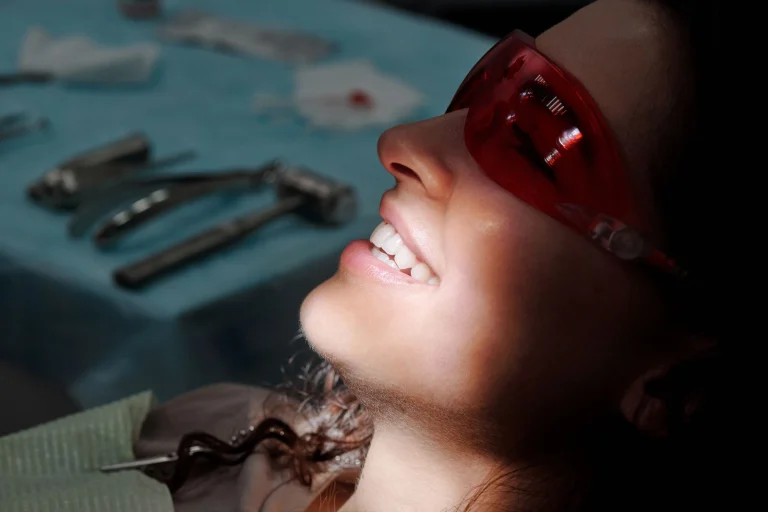
At the Timonium office, whitening is done in the office as laser power whitening: a thirty-minute whitening treatment followed by a laser applied for 1 to 2 hours, which activates the hydrogen peroxide so it works faster and more effectively. Because the whole treatment happens under Dr. Haywood’s care, the team can respond right away if you feel uncomfortable. Learn more about laser whitening.
What whitening sensitivity usually feels like
Most people describe it as brief twinges rather than a constant ache. You might notice it:
- When you breathe in cold air through your mouth.
- When you sip a cold drink or run cold water over your teeth while brushing.
- Across several teeth at once, rather than in one spot.
That pattern, cold-triggered and spread across the teeth that were whitened, is the typical picture. Pain that is sharp and centered on one tooth, or that shows up when you bite, is a different story and is covered below.
Who is more likely to feel sensitive
Anyone can notice some sensitivity after whitening, but a few situations make it more likely:
- Receding gums. Exposed root surfaces aren’t covered by enamel and tend to be more sensitive.
- Worn enamel. Years of grinding, brushing too hard or acidic drinks can thin the protective outer layer.
- Cavities. An untreated cavity gives whitening agents an easier path into the tooth.
- Cracked teeth or worn fillings. Tiny cracks and fillings pulling away at the edges can let sensitivity in.
- Teeth that are already sensitive. If cold already bothers you, mention it before whitening.
If sensitivity is something you live with every day, whitening or not, read sensitive teeth in Timonium: causes and treatment.
Why your dentist checks your teeth first
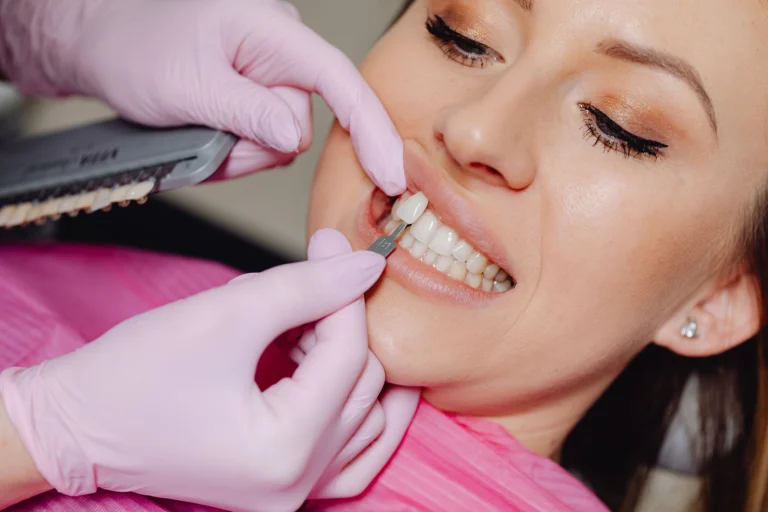
Every whitening plan at the practice starts with a consultation and a look at your teeth. That visit isn’t a formality. It is the best way to find the problems that turn a little temporary sensitivity into real discomfort:
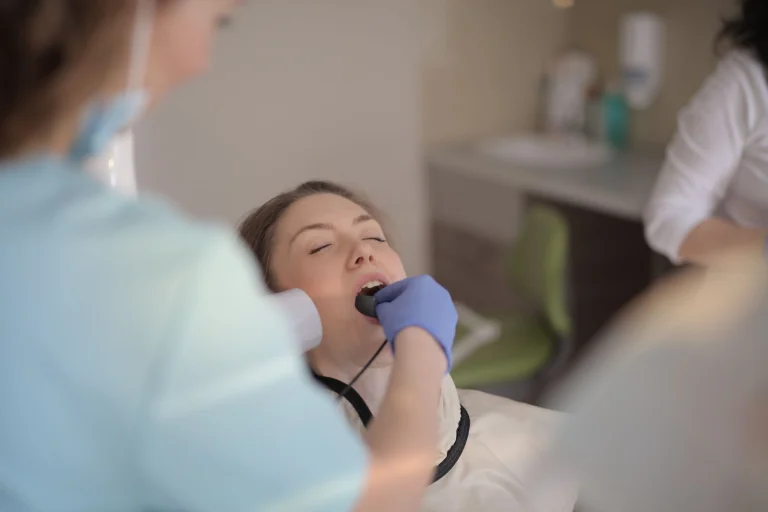
- Early decay. DIAGNOdent, a laser that can detect small amounts of decay at an early stage, and digital X-rays help find cavities before they cause trouble.
- Gum health. Receding or inflamed gums are noted and discussed before any cosmetic treatment.
- Cracks and older fillings. An intraoral camera lets the team zoom in on each section of your mouth and show you what they see.
When something needs attention, it is usually treated before whitening. That order protects your comfort and your result. For more on why an exam matters, read tooth whitening safety and your dentist.
During your whitening visit
Speak up if anything feels uncomfortable while you are in the chair. The team would much rather hear about it in the moment. The office is designed as a spa-like space, with paraffin wax hand treatments, aromatherapy and a Nespresso station, and if dental visits make you anxious, laughing gas is offered as a complimentary service. See the sedation options.
The first 24 to 36 hours after whitening
What to expect
Some sensitivity to cold air and fluids is normal, and the post-op instructions say it fades within 24 to 36 hours. Knowing that ahead of time makes it much easier to ride out.
What to avoid for the first 24 hours
For the first 24 hours after whitening, the practice’s instructions say to avoid anything that colors your teeth, including:
- Red wine
- Dark colas
- Coffee and tea
- Red sauces and soy sauce
- Smoking
This protects your new shade while your teeth settle, and skipping very hot coffee and iced drinks has the side benefit of sparing sensitive teeth. See the full post-op instructions.
Simple ways to stay comfortable
- Choose room-temperature water and lukewarm foods while cold still bothers you.
- Breathe through your nose when you are outside on a cold day.
- Brush gently with a soft toothbrush and lukewarm water.
- Ask the team which toothpaste suits your teeth if you are prone to sensitivity.
When sensitivity is a reason to call
Call the office at (410) 453-9399 if:
- Sensitivity hasn’t faded after 24 to 36 hours.
- One tooth hurts sharply or much more than the rest.
- A tooth hurts when you bite or chew.
- You notice swelling, or pain that throbs rather than twinges.
Those signs can point to something other than whitening, such as a cracked tooth, a cavity or an infected nerve, and they deserve an exam.
Store-bought whiteners and sensitivity
Whitening strips, gels and trays from the store come with instructions, but nobody checks your teeth before you use them. People with an unnoticed cavity or receding gums may not find out until the product makes their teeth hurt, and using a product more often or longer than directed in hopes of a faster result can make sensitivity worse. The commercial whiteners that seem so promising also often fail to deliver lasting results. A professional exam first takes much of the guesswork out. Compare the options in professional teeth whitening vs store kits.
If whitening isn’t a good fit for your teeth
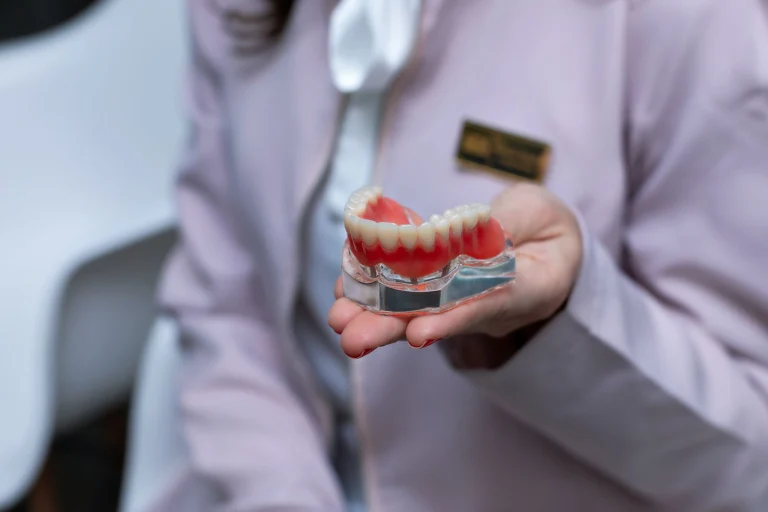
Sometimes the exam shows that whitening isn’t the best route, for example when teeth are very dark or discoloration comes from dental work. Dental bonding and porcelain veneers can also correct discolored teeth, and Dr. Haywood will talk you through your options.
Paying for whitening
Your whitening fee is discussed at your consultation. The practice is out of network with all dental insurance providers: you pay at the time of your visit, and the office files the claim so your plan can reimburse you for whatever it covers. Many dental plans treat whitening as cosmetic. HSA and flex plans are welcome for eligible care, and financing is available through CareCredit, with no-interest options up to 12 months, and Cherry, with plans from 3 to 24 months. See financing options.
Frequently asked questions
Is sensitivity after teeth whitening normal?
Yes. Pain and sensitivity after whitening are common, especially to cold air and cold fluids. If it is severe or centered on one tooth, call the office.
How long does whitening sensitivity last?
According to the practice’s post-op instructions, the discomfort fades within 24 to 36 hours. Sensitivity that lasts longer is worth a call.
Can I whiten if my teeth are already sensitive?
Often, yes, but mention it at your consultation. The exam looks for causes such as receding gums, worn enamel or cavities, which may need attention first.
What should I avoid after whitening?
For the first 24 hours, avoid red wine, dark colas, coffee, tea, red sauces, soy sauce and smoking. Afterward, see how to keep a whiter smile.
Plan a comfortable whitening visit in Timonium
Have questions about sensitivity before you whiten? Request an appointment or call (410) 453-9399 to schedule a consultation. The office is at 108 W Timonium Rd, Ste 200, Timonium, MD 21093. You can also read more about teeth whitening.
Ready to see your future smile?
Book a whitening consultation in Timonium and ask about sensitivity before you start.