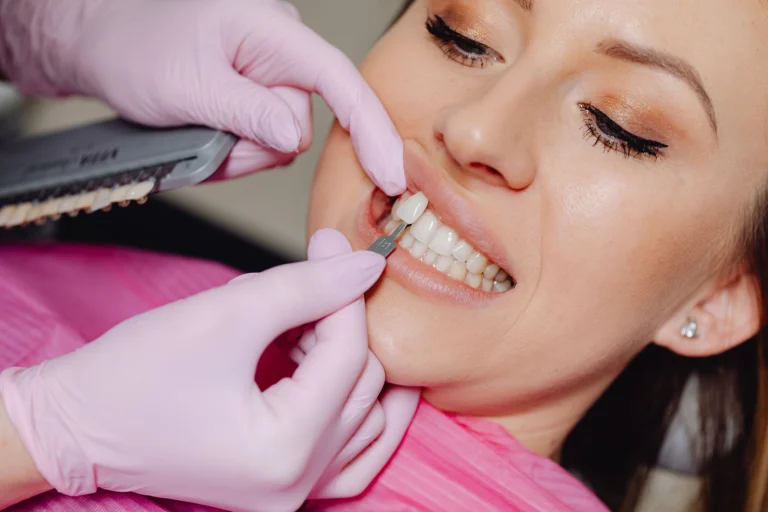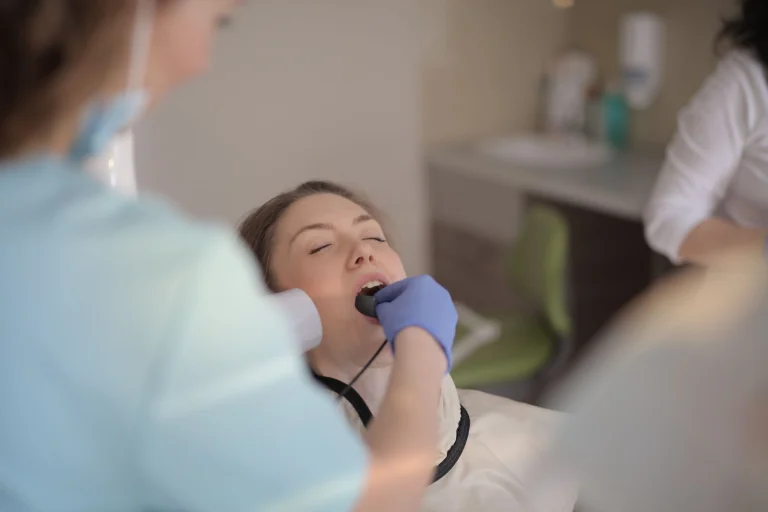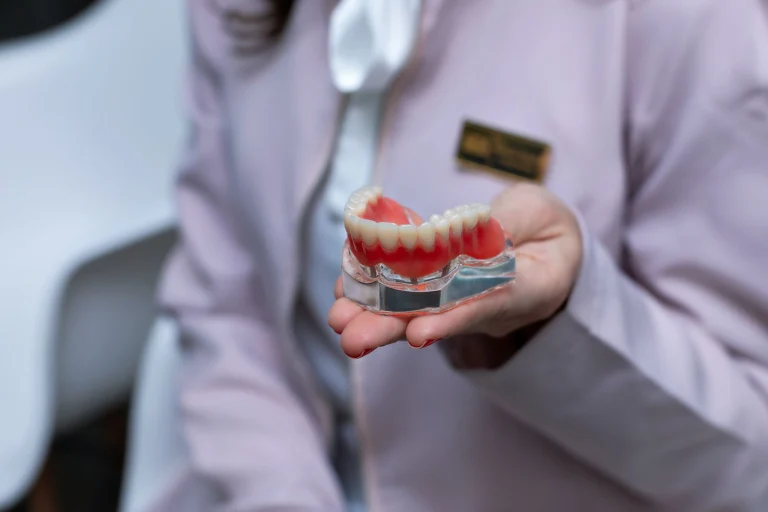
Keeping a whiter smile after tooth whitening comes down to three things: protecting your teeth in the first 24 hours, cutting back on the foods, drinks and habits that restain enamel, and planning periodic touch-ups. Some color rebound after whitening is normal, and the post-op instructions at the office of Dr. Steven W. Haywood, DDS say it must be managed. With a few steady habits, your brighter shade can stay with you far longer than it would on its own.
This guide covers why whitened teeth drift back toward their old color, the first-day rules, daily habits that make the biggest difference, how cleanings and touch-ups fit in, and what to do about dental work that doesn’t whiten.
Why whitened teeth drift back: rebound
Right after whitening, an instant lightening is usually seen in most cases. Over the following months, though, teeth tend to lose a little of that brightness. The practice’s post-op instructions call this rebound, note that it is not uncommon, and explain that everyone responds differently, so your rebound may be less or greater than someone else’s.
Rebound doesn’t mean the treatment didn’t work. Teeth are exposed to color every day, and enamel gradually picks it up again. Without any upkeep, teeth can eventually return to the color they had before whitening. That is why the instructions say rebound must be managed, through a combination of the habits below.
The first 24 hours after whitening
Your teeth are most open to new stains right after treatment. For the first 24 hours, the practice’s instructions say to avoid anything that colors, including:
- Red wine
- Dark colas
- Coffee and tea
- Red sauces and soy sauce
- Smoking
Plain water, milk and light-colored foods such as rice, pasta without red sauce, chicken and white cheese are easy choices for the day. You may also notice some sensitivity to cold air and fluids, which fades within 24 to 36 hours. Read more in tooth whitening sensitivity and your dentist, or see the full post-op instructions.
A whiter smile today, and a year from now
The practice’s instructions list five ways to manage rebound. Used together, they are the most reliable way to keep a whiter smile over time.
1. Careful diet control
You don’t have to give up coffee forever, but it helps to be deliberate about the biggest stainers:
- Cut back where you can. The practice advises minimizing staining foods as part of caring for any cosmetic result.
- Rinse after staining drinks. A quick swish of water after coffee, tea or red wine washes away some of the color before it settles.
- Use a straw for cold drinks. Iced coffee, iced tea and cola touch the front teeth less when sipped through a straw.
- Don’t sip for hours. Finishing a coffee in one sitting exposes your teeth for less time than nursing it all morning.
2. Meticulous oral hygiene
Plaque is sticky, and it holds on to stains. Brushing thoroughly twice a day and flossing daily keep plaque from giving color a place to cling. Brush gently, though: scrubbing hard doesn’t whiten teeth and can wear enamel and irritate gums.
3. A whitening toothpaste
A whitening toothpaste is on the practice’s list of ways to manage rebound. It works mainly on new surface stains, so think of it as maintenance rather than a replacement for professional whitening.
4. Regular professional cleanings
A professional cleaning every six months is recommended, and cleaning appointments at the practice last a full 60 minutes. Cleanings remove the plaque and tartar that daily brushing and flossing miss, and tartar is especially good at picking up stains. Your regular visits are also a good time to ask how your shade is holding up. Read why cleanings matter even if you brush and floss.
5. Repeat in-office whitening
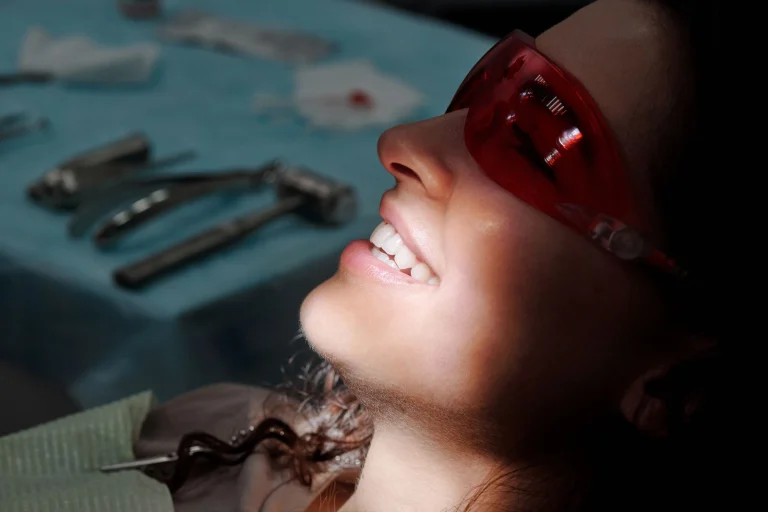
The post-op instructions list an annual repeat of in-house whitening as one way to manage rebound, and whitening routinely is part of the practice’s advice for keeping any cosmetic result looking its best. At the Timonium office, that means laser power whitening: a thirty-minute in-office whitening treatment followed by a laser applied for 1 to 2 hours to activate the whitening agent. Ask Dr. Haywood how often a touch-up makes sense for your teeth. Learn more about laser whitening.
Habits that dull a whiter smile fastest
Smoking and vaping
Tobacco is one of the most stubborn stainers, and smoking is on the list of things to avoid after whitening. If you smoke or vape, your whitening results are likely to fade sooner. Read how smoking and vaping affect your teeth and gums.
Skipping visits
Months without a cleaning let tartar and stains build up quietly. Keeping your six-month visits is one of the simplest ways to protect your result.
Grinding
Grinding wears enamel, and thinner enamel lets the more yellow layer underneath show through. If you grind, a comfortable, clear, custom-made bite guard helps protect your teeth and any cosmetic work.
What about crowns, veneers and bonding?
Dental work doesn’t whiten, and it doesn’t rebound the same way either. That affects upkeep in a few ways:
- Porcelain veneers and crowns resist stains better than natural teeth, but they won’t lighten if your natural teeth are whitened again. Keeping your natural teeth at a steady shade helps everything stay matched.
- Composite bonding can stain, so brush or at least rinse well with water after cola, coffee, tea or red wine.
- A front crown or filling that no longer matches after whitening may need to be replaced to blend in.
Planning whitening around dental work is covered in teeth whitening in Timonium with crowns, veneers or bonding.
When a brighter shade won’t hold
If your teeth darken quickly after whitening, or one tooth stays darker than the rest, it is worth an exam. Some discoloration comes from inside the tooth rather than the surface, and it doesn’t respond to whitening the same way. For those cases, dental bonding and porcelain veneers can also correct discolored teeth. To understand the difference, read whitening vs bleaching for tooth discoloration.
Paying for whitening touch-ups
Your whitening fee is discussed at your consultation. The practice is out of network with all dental insurance providers: you pay at the time of your visit, and the office files the claim so your plan can reimburse you for whatever it covers. Many dental plans treat whitening as cosmetic, but cleanings and exams are part of regular care, so check your benefits. HSA and flex plans are welcome for eligible care, and financing is available through CareCredit, with no-interest options up to 12 months, and Cherry, with plans from 3 to 24 months. See financing options.
Frequently asked questions
How long does teeth whitening last?
It varies from person to person, because rebound depends on your teeth and your habits. Diet control, careful hygiene, a whitening toothpaste and periodic in-office whitening all help your result last longer.
Can I drink coffee after whitening?
Not for the first 24 hours. After that, you can, but rinsing with water afterward, not sipping for hours and keeping up your cleanings help protect your shade.
How often should I whiten my teeth again?
The practice’s post-op instructions list an annual repeat of in-office whitening as one way to manage rebound. Ask at your regular visits how your shade is holding up and whether a touch-up makes sense.
Does whitening toothpaste keep teeth white?
It helps with new surface stains and is one of the recommended ways to manage rebound, but on its own it won’t match a professional whitening treatment.
Keep your whiter smile bright in Timonium
Ready to brighten your smile or plan a touch-up? Request an appointment or call (410) 453-9399. The office is at 108 W Timonium Rd, Ste 200, Timonium, MD 21093. You can also read more about teeth whitening or what to expect at your whitening visit.
Ready to see your future smile?
Book a whitening visit or touch-up in Timonium to keep your smile bright.