If you searched for what the American Dental Association says about teeth whitening, the short practical answer shared by professional dental guidance is simple: talk to a dentist and have your teeth examined before you start, and use any whitening product only as directed. The ADA publishes its own consumer information and updates it over time, so for the organization’s current wording, go straight to ada.org. This article doesn’t quote it. Instead, it explains why whitening safety starts with an exam, what whitening products contain, the side effects worth knowing about, and what professional supervision looks like at the Timonium office of Dr. Steven W. Haywood, DDS.
Why whitening safety starts with an exam
Whitening is a cosmetic treatment, but it works on real teeth and gums, and not every mouth is ready for it. An exam before whitening can catch things a whitening kit never will:
- Cavities and cracks. Whitening gel reaching decay or a cracked tooth can be uncomfortable, and the underlying problem still needs treatment.
- Gum disease or receding gums. Irritated gums and exposed roots are more likely to react to whitening agents.
- Worn enamel and existing sensitivity. These change how whitening should be approached, or whether it should be done at all.
- Fillings, bonding, crowns and veneers. Dental work doesn’t change color when you whiten, so a result can look uneven if nobody plans for it.
- The cause of the discoloration. Surface stains, deep discoloration and a single darkened tooth each call for a different approach.
That last point matters more than most people expect. A tooth that has turned darker than its neighbors may have a problem inside it, and whitening would only hide the warning sign.
What is in a whitening product
Whitening products fall into two broad groups.
Products that remove surface stains
Whitening toothpastes and similar products work mostly on stains sitting on the surface of the enamel. They can help with upkeep, but they don’t change the natural shade of the tooth underneath.
Products that bleach the tooth
Most whitening treatments that lighten tooth color use a peroxide agent: hydrogen peroxide, or carbamide peroxide, which breaks down into hydrogen peroxide. These are the active ingredients in whitening gels, strips and trays, and in professional whitening treatments. The strength of the product, how long it stays on the teeth and how often it is used all affect both results and comfort, which is why supervision makes a difference.
Side effects worth knowing about
Whitening is a common cosmetic dental treatment, but it isn’t free of side effects. The two people notice most are:
- Tooth sensitivity. Some people feel sensitivity to cold or a sharp twinge during or after whitening. It is usually temporary, but it is worth telling your dentist about.
- Gum irritation. Whitening gel that sits against the gums can irritate them. Poorly fitting trays and strips make this more likely.
Neither is a reason to avoid whitening. They are reasons to have someone who knows your mouth decide how whitening should be done.
Why more is not better with store products
Over-the-counter whitening products come with directions for a reason. Using strips or gels more often, or for longer, than directed doesn’t make teeth safely whiter, and it can make sensitivity and gum irritation worse. Stacking several products at once has the same problem.
There is also the question of results. Commercial whiteners that seem so promising often fail to deliver lasting results, which leads some people to keep buying and keep using them. If you find yourself on your third or fourth box, that is a good moment to stop and have your teeth looked at.
What professional supervision looks like at the practice
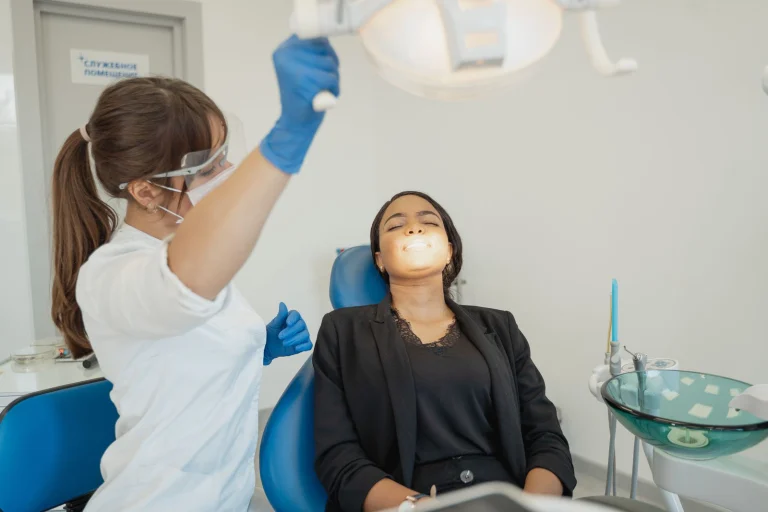
At Dr. Haywood’s Timonium office, whitening is planned and carried out in the office rather than handed over in a box:
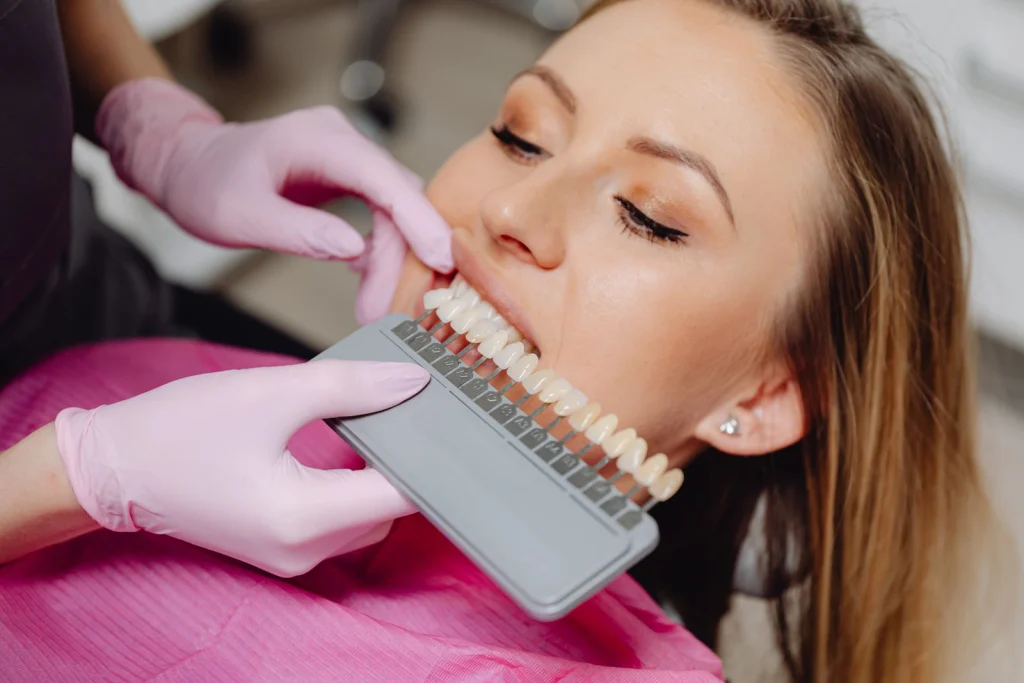
- A consultation. Dr. Haywood looks at the shade of your teeth and what you want from whitening, and every whitening plan is customized to your specific needs.
- Honest advice for dark teeth. If your teeth are very dark, you will be counseled on your options before anything begins, so you know what to expect.
- The in-office treatment. A thirty-minute professional whitening treatment comes first, followed by a laser applied for 1 to 2 hours to activate the hydrogen peroxide and increase the rate and efficacy of the whitening agent.
The whole treatment happens in the office under Dr. Haywood’s care, and the practice describes laser power whitening as highly effective and safe. See how laser whitening works, or read the main teeth whitening page.
Who should talk it through before whitening
Whitening isn’t a good first step for everyone. Talk to your dentist first if you have:
- A cavity, a cracked tooth or an old filling that feels rough or loose.
- Bleeding, puffy or receding gums.
- Teeth that are already sensitive to cold or sweets.
- Crowns, veneers or bonding on your front teeth.
- Very dark, gray or uneven discoloration.
- A single tooth that has darkened, especially after an injury.
Teens and children should also ask a dentist before trying any whitening product.
Questions to ask before any whitening treatment
- What is causing the discoloration on my teeth?
- Is there anything, such as decay or gum problems, that should be treated first?
- Will my fillings, crowns or veneers still match afterward?
- How white can my teeth realistically get?
- What should I do if my teeth feel sensitive?
- How do I keep the result without overusing whitening products?
When whitening isn’t the safe or effective choice
Sometimes the most responsible advice is that whitening won’t do what you want. Deep discoloration, stained dental work or teeth that are also chipped or worn may be better served by other cosmetic dentistry options. Dental bonding can repair discoloration with tooth-colored resin, usually in one visit, and porcelain veneers can correct discolored teeth and resist new stains. A smile evaluation with cosmetic imaging lets you see possible changes on screen before you choose.
To understand which stains respond to bleaching and which don’t, read whitening vs bleaching for tooth discoloration.
Paying for professional whitening
Your fee depends on your plan and is discussed at your consultation. The practice is out of network with all dental insurance providers: you pay at the time of your visit, and the office files the claim so your plan can reimburse you for whatever it covers. Many plans treat whitening as cosmetic, so check your benefits. HSA and flex plans are welcome for eligible care. Financing is available through CareCredit, with no-interest options up to 12 months, and Cherry, with plans from 3 to 24 months. See financing options.
Frequently asked questions
Is professional teeth whitening safe?
Whitening is safest when a dentist examines your teeth first and supervises the treatment. At the practice, whitening is customized to your needs and performed in the office under Dr. Haywood’s care.
Why do my teeth feel sensitive after whitening?
Sensitivity is a known side effect of peroxide whitening agents and is usually temporary. If it happens, let the team know, and avoid adding store products on top of professional treatment.
Should I look for a seal on whitening products?
The ADA runs a Seal of Acceptance program for some oral care products. Which products carry it can change, so check the ADA’s own website for current information rather than relying on older articles, and ask your dentist whether a product suits your teeth.
Can whitening fix every kind of stain?
No. Surface stains usually respond well, but deep discoloration, dental work and some single dark teeth may need bonding, veneers or treatment of the tooth itself.
Start with a whitening consultation in Timonium
The safest whitening plan starts with a look at your teeth. Request an appointment or call (410) 453-9399 and ask about teeth whitening. The office is at 108 W Timonium Rd, Ste 200, Timonium, MD 21093. For what the appointment itself involves, read the Timonium teeth whitening guide.
Ready to see your future smile?
Book a whitening consultation in Timonium and start with an exam.