If you live with diabetes, the right dentist is one who takes your whole health into account: someone who reviews your medical history and medications, checks your gums carefully at every visit, treats gum infection early and gently, and gives you enough time in the chair to do it properly. Diabetes and oral health are closely connected. The health of your gums has been linked to serious health risks such as diabetes and cardiac disease, and gum infection is one of the problems people with diabetes most need to watch for.
At the Timonium office of Dr. Steven W. Haywood, DDS, patients with diabetes get the same unhurried, prevention-focused care as every patient, with extra attention to the areas where diabetes matters most. This guide explains how diabetes affects your mouth, what to look for in a dentist, and how to keep your teeth and gums healthy between visits. It is general education, not medical advice: keep working with your physician on managing your diabetes.
How diabetes and oral health affect each other
The connection runs in both directions, which is why dental care is worth taking seriously when you have diabetes.
- Diabetes can make gum infection harder to control. When blood sugar runs high, the body has a harder time fighting infection, and plaque bacteria along the gumline have more to work with. Gum inflammation can progress more easily.
- Gum infection can make diabetes harder to manage. An ongoing infection anywhere in the body, including the gums, can make blood sugar more difficult to keep in range.
The encouraging part is that the same habits help both sides: good daily home care, regular professional cleanings, prompt treatment of gum infection and working with your physician to keep diabetes well managed.
Mouth problems to watch for when you have diabetes
Gum disease
Periodontal disease is the leading cause of tooth loss in adults, and it worsens as it progresses. Signs can include sore or swollen gums, bleeding gums, bad breath, pus around the gumline, painful chewing, tooth sensitivity, and teeth that look slightly longer because the gums have receded. On their own these symptoms don’t necessarily mean you have gum disease, but they are a good reason to have your gums checked. Read 5 warning signs of gum disease.
Dry mouth and tooth decay
Many people with diabetes notice a dry mouth, and some medications reduce saliva too. Saliva helps wash away food and neutralize acid, so less of it can mean more plaque and more decay. Medications and dry mouth can set the stage for root decay, and decay rates increase with age.
Slower healing
Sores, extraction sites and gum tissue may take longer to heal when blood sugar is high. That is one reason to tell the team about your diabetes before any surgical treatment.
Mouth infections and irritation
People with diabetes can be more prone to other infections in the mouth, including fungal infections that appear as white or red patches. If something in your mouth looks or feels different, call the office rather than waiting for your next checkup. Read oral infection: signs, causes and when to call.
What to look for in a dentist for diabetics
- A thorough health history. Your first appointment starts with a conversation about your dental concerns, health history and medications. The practice asks patients to share existing medical conditions, including diabetes, before surgical treatment, along with medications such as aspirin, anticoagulants, heart medications and any other prescription or over-the-counter drugs.
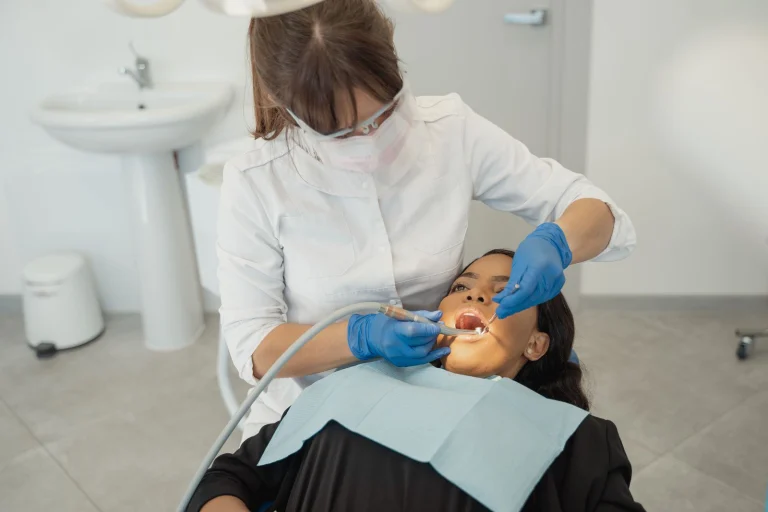
- Time for a careful cleaning. Cleaning appointments at the practice last a full 60 minutes, giving the hygienist time to remove plaque and tartar thoroughly and check the health of your gums instead of rushing.
- Careful gum measurements. The hygienists measure your gums and keep monitoring your progress over time, so changes are noticed early.
- Gentle, non-surgical gum care. If treatment is needed, care here is non-surgical, removing the bacteria that drive the infection with a plan developed individually for you.
- High standards. The practice strives for zero bleeding and zero infection.
How gum disease is treated at the practice
Measure and test
The hygienists check your gums with careful measurements, and oral DNA testing can identify which periodontal pathogens are present, so your condition can be treated more accurately.
Remove the bacteria
Scaling and root planing, also called root debridement therapy, is a deep cleaning that removes harmful bacteria from beneath the gums. Depending on your plan, treatment may add ultrasonic and anti-microbial irrigation, site-specific antibiotics, nutritional therapies and the Picasso laser, which brings precision and comfort to periodontal procedures. Experienced hygienists take the lead, and Dr. Haywood meets with you to develop your treatment plan.
Keep it under control
Treatment can control and even reverse the early stages of gum disease. Gum infection that is caught early and treated as a serious infection can be managed and controlled, but it is never completely cured, which is why periodontal maintenance and regular hygiene visits matter afterward. See gum disease treatment in Timonium.
Planning dental surgery or implants with diabetes
Let the team know about your diabetes and your medications before any surgical treatment, such as an extraction or implant surgery, so your care can be planned around your health. For dental implants, active gum disease is treated first, and a 3D cone beam CT scan shows the bone before anything is placed. Dr. Haywood will talk through whether implants or another option suits you. Learn more about dental implants in Timonium.
Daily oral care when you have diabetes
- Brush twice a day with a soft brush and gentle pressure, paying attention to the gumline.
- Clean between your teeth every day. Floss, floss picks or a water flosser can all help. Read why a water flosser might be a good idea.
- Stay ahead of dry mouth. Sip water through the day and choose sugar-free options. The practice offers xylitol mints and lollipops, which help reduce decay risk.
- Don’t smoke or vape. Smoking is hard on the gums and has been implicated in oral cancer.
- Watch for changes. Bleeding, swelling, a bad taste or a sore that doesn’t heal is worth a call.
- Keep your dentist and physician in the loop. Let the office know when your health or medications change.
How often should you see the dentist with diabetes?
A checkup and professional cleaning every six months is the usual starting point. If you have gum disease, now or in the past, ongoing periodontal maintenance visits help keep it under control. Ask Dr. Haywood whether more frequent visits make sense for you. Read how often should you get a dental checkup? and gum disease risk factors.
Tips for a comfortable visit
- Take your medications and eat as your physician normally advises, unless you are told otherwise before a procedure.
- Tell the team if your blood sugar tends to run low, and bring whatever you usually rely on to treat a low.
- Bring a current list of your medications.
- If you are nervous, say so. Laughing gas is offered as a complimentary service, and oral sedation is available. See sedation dentistry.
Paying for your care
The practice is out of network with all dental insurance providers. You pay at the time of your visit, and the office files the claim on your behalf so your plan can reimburse you for whatever it covers. Health savings and flex plans are welcome, and financing is available through CareCredit, with no-interest options for up to 12 months, and Cherry, with plans from 3 to 24 months. See financing options.
Frequently asked questions
Can diabetes cause gum disease?
Diabetes doesn’t cause gum disease on its own, since plaque bacteria are the source of the infection, but it can make gum infection harder to control. Good home care and regular cleanings matter even more.
Should I tell my dentist I have diabetes?
Yes. Tell the team about diabetes and any other medical conditions, and share your medications, especially before surgical treatment.
Can treating gum disease help my diabetes?
Gum health and diabetes are linked, and controlling a gum infection is part of looking after your overall health. Keep working with your physician on your diabetes care alongside your dental care.
Is gum disease treatment at the practice surgical?
Care here is non-surgical. Scaling and root planing removes the bacteria beneath the gums, with other therapies added as needed.
See a dentist who looks at your whole health
If you have diabetes and it has been a while since your last cleaning, or your gums have started to bleed, now is a good time to be seen. Request an appointment or call (410) 453-9399. The office of Dr. Steven W. Haywood, DDS is at 108 W Timonium Rd, Ste 200, Timonium, MD 21093, serving Timonium, Lutherville, Cockeysville, Towson, Hunt Valley and Baltimore. New patients are always welcome. See general dentistry in Timonium.
Ready to see your future smile?
Living with diabetes? Book a 60-minute cleaning and gum check in Timonium.