
A mouth sore the size of a pencil eraser can make every meal feel like a chore. The good news is that most common sores, such as canker sores, small bites and scrapes, heal on their own within a week or two, and a few simple changes to what and how you eat can make that week far more comfortable. Here are five practical tips, plus a few extra home-care habits, from the Timonium office of Dr. Steven W. Haywood, DDS.
These tips are for everyday sores. If a sore hasn’t healed in about two weeks, keeps coming back in the same spot or looks unusual, read is your mouth sore something serious? and have it examined.
Tip 1: Choose soft foods that don’t scrape
Crunchy, sharp-edged foods such as chips, crusty bread, crackers, granola and toast can scrape an open sore and slow healing. For a few days, lean on soft foods that need little chewing. That doesn’t mean giving up real meals:
- Scrambled eggs, omelets and soft cheeses
- Yogurt, cottage cheese and smoothies made without citrus
- Oatmeal, cream of wheat and other hot cereals, served warm rather than hot
- Mashed potatoes, sweet potatoes and well-cooked vegetables
- Soft pasta, rice and risotto
- Flaky fish, meatloaf and tender shredded chicken
- Bananas, avocado, applesauce and canned pears
- Pudding, custard and soft cooked beans
Tip 2: Keep it bland for a while
Spicy, salty, sour and acidic foods sting an open sore. While it heals, go easy on:
- Hot sauce, chili, pepper and heavily spiced dishes
- Citrus fruits and juices, pineapple and tomatoes, including tomato sauce
- Vinegar, pickles and salad dressings made with vinegar
- Salty snacks such as pretzels and chips
- Carbonated and acidic drinks, including soda and sparkling water
Plain, mild flavors are easier to tolerate. A little olive oil, butter, herbs or a mild cheese sauce keeps meals interesting without the sting. Acidic drinks aren’t great for your enamel anyway; see why soda spells double trouble for teeth and gums.
Tip 3: Serve food cool or at room temperature
Heat can make a sore throb, and a hot bite on a tender spot hurts. Let soups and cereals cool to lukewarm, and choose chilled or room-temperature foods when you can. Cold foods such as yogurt, smoothies and chilled soups can feel soothing. If you have just had dental treatment with numbing, avoid chewing and hot drinks until the numbness wears off, because it is easy to bite or burn your lip or tongue without feeling it, and that can create a new sore.
Tip 4: Use a straw to bypass the sore
A straw can carry drinks past a sore on the lips, the front of the mouth or the inner cheek, so they don’t wash over the tender area. Stick to water, milk and non-acidic drinks. One exception: if you have recently had a tooth extracted, don’t use a straw at all while the site heals, because suction can disturb the blood clot. The practice’s extraction instructions say to avoid straws for 72 hours.
Tip 5: Moisten dry foods
Dry foods are harder to chew and swallow, and they tend to catch on sores. Add a little moisture:
- Mild gravies and sauces over meat, rice and potatoes
- Broth to soften grains and vegetables
- Milk or yogurt on cereal, left to soften for a minute
- Soups and stews instead of dry sandwiches
- Sips of water between bites
If your mouth feels dry most of the time, not just while a sore heals, that is worth mentioning at your next visit, because dry tissue is more easily irritated and saliva helps protect your teeth. See why dry mouth is dangerous for your teeth.
More ways to soothe a mouth sore at home
Rinse gently
A gentle rinse with warm salt water can help keep the area clean and feel soothing. Swish softly rather than vigorously. Mouthwashes that contain alcohol can sting an open sore, so you may prefer to skip them until it heals.
Keep brushing, gently
Don’t stop brushing because a sore is tender. Plaque left on the teeth doesn’t help your mouth heal. Use a soft brush, work slowly around the sore and avoid scrubbing the tissue itself. See why smart brushing beats aggressive brushing.
Ask a pharmacist about over-the-counter products
Pharmacies carry protective gels, pastes and numbing products for canker sores, and separate products for cold sores on the lips. A pharmacist can help you choose one that suits your sore and your health, and tell you how often it can be used.
Skip the habits that irritate
Try not to poke the sore with your tongue, bite at your cheek, or pick at a cold sore. Tobacco and vaping irritate the tissues of the mouth and are worth avoiding, sore or not.
Protect cold sores from spreading
Cold sores on the lips are contagious. Avoid kissing and sharing cups, utensils or lip balm while one is active, and wash your hands after touching it.
When a sore keeps coming back in the same spot
A sore that returns to the exact same place often has a mechanical cause that home care can’t fix. Common culprits include:
- A chipped or broken tooth with a sharp edge
- A worn or broken filling
- A temporary crown with a rough margin
- A denture that has stopped fitting well
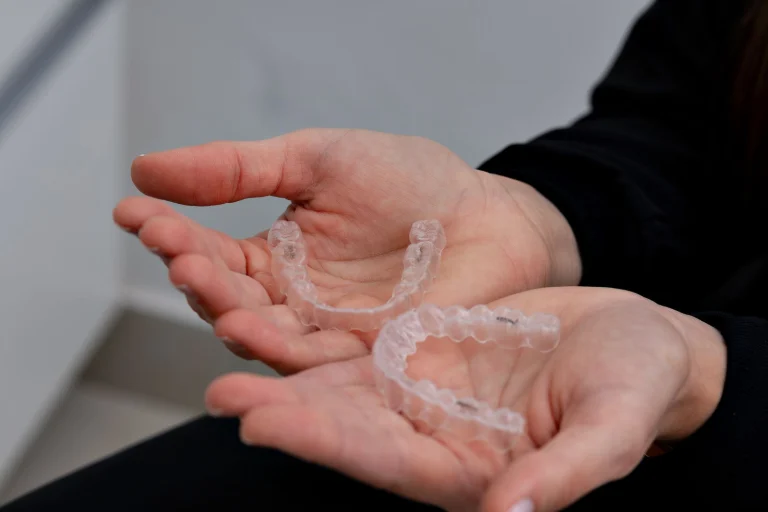
- A bite guard or clear aligner edge that rubs
- Biting the same area of the cheek because of how the teeth meet
In those cases the sore won’t fully settle until the cause is corrected, which is usually a quick fix at the dental office: smoothing or repairing the tooth, replacing a filling or adjusting an appliance. A broken tooth can often be repaired with dental bonding in a single visit, and problem dentures can be remade.
When to call the dentist about a mouth sore
- The sore hasn’t healed in about two weeks
- It keeps returning, or you get sores often
- There is a lump, a hard or thickened area, or a white or red patch that doesn’t wipe off
- There is a bump on the gum near a tooth, facial swelling or fever
- Eating and drinking have become difficult
Checkups at the practice include an oral cancer screening, which is quick and pain-free, and if you notice anything that concerns you, call rather than waiting for your next routine visit. Learn more about oral cancer screening.
Paying for your visit
The practice is out of network with all dental insurance companies. You pay at the time of your visit, and the office files the claim on your behalf so your plan can reimburse you. Health savings and flex plans are welcome, and financing is available through CareCredit and Cherry. See financing options.
Frequently asked questions
What is the fastest way to heal a mouth sore?
Most common sores simply need time. Avoiding foods that scrape, sting or burn, rinsing gently and keeping the mouth clean help it heal without extra irritation.
What foods should I avoid with a mouth sore?
Crunchy, spicy, salty, acidic and very hot foods and drinks are the usual troublemakers: chips, citrus, tomato sauce, vinegar, soda and hot coffee, for example.
Is salt water good for mouth sores?
A gentle warm salt water rinse can help keep the area clean and often feels soothing. Swish softly, and see a professional if the sore isn’t improving.
Can braces, aligners or dentures cause mouth sores?
Yes. An edge that rubs can create a sore that keeps returning in the same place. Let your dental office know so the appliance can be adjusted.
Get a stubborn mouth sore looked at in Timonium
If a mouth sore isn’t healing or keeps coming back, the team can find the cause. Request an appointment or call (410) 453-9399. The office of Dr. Steven W. Haywood, DDS is at 108 W Timonium Rd, Ste 200, Timonium, MD 21093. For more guides, visit the blog.
Ready to see your future smile?
A mouth sore that keeps coming back? Let the team find the cause.