The best tooth tip for traveling is to plan your dental care around the trip, not the other way around. See your dentist well before a long vacation or business trip, so there is time to fix anything that is found. Avoid scheduling surgical dental work right before you leave, since healing takes longer than many people expect. Then pack a small dental kit and know what to do if something breaks while you are away.
This guide from the Timonium office of Dr. Steven W. Haywood, DDS covers timing dental treatment around a trip, what to pack, how to look after your teeth on the road and what to do in a dental emergency far from home.
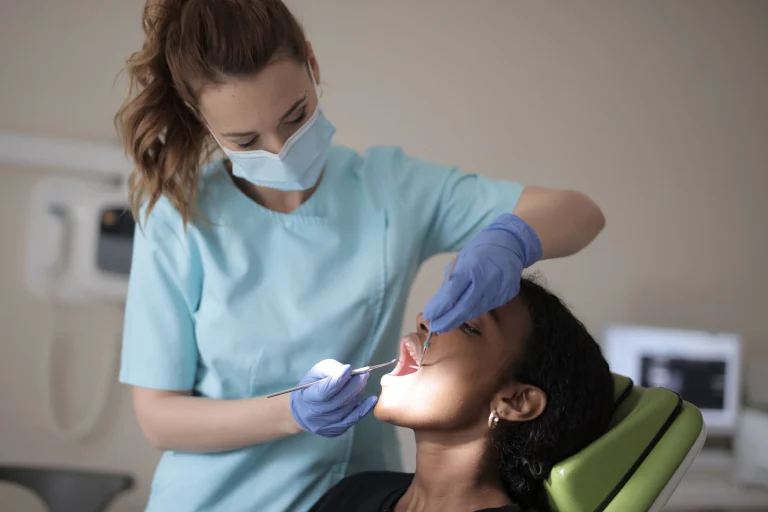
Book a checkup before a long trip
A loose filling, a small crack or an early gum infection may not bother you at home, but it can flare up at the worst possible moment when you are hours away from your own dentist. That matters most on long trips, and on trips to places where good dental care may be hard to find.
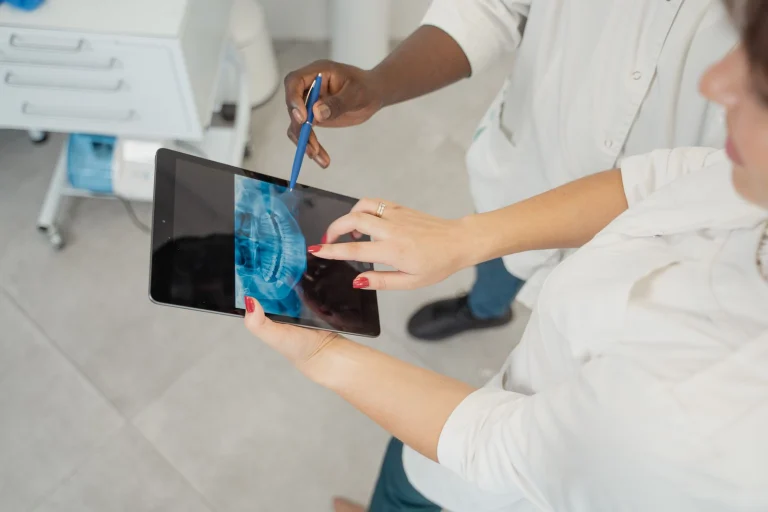
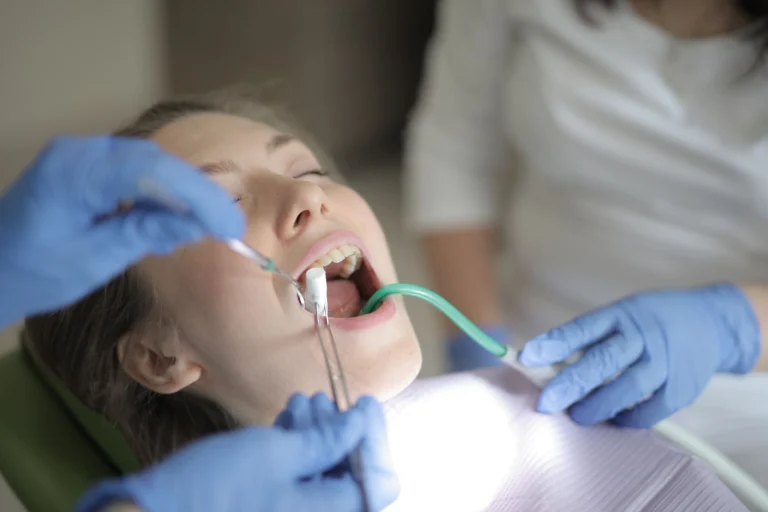
A checkup before you go gives Dr. Haywood the chance to spot problems while they are still small. Digital X-rays show what can’t be seen by looking, DIAGNOdent laser detection can find decay at its earliest stages, and a thorough exam looks for cracks, worn fillings and gum problems. If something needs treatment, booking early leaves time to take care of it and to heal before you travel.
If it has been a while since your last visit, read how often should you get a dental checkup?
Timing dental work around travel
Many dental procedures are surgical, and your body needs time to recover. Talk to Dr. Haywood about your travel dates before scheduling treatment, and plan around these realities.
Extractions, implants and gum surgery
After a tooth extraction, a blood clot has to form and stay in place for healing to begin. The practice’s post-op instructions ask you not to rinse vigorously, suck on straws, smoke, drink alcohol or brush next to the extraction site for 72 hours, and to limit vigorous exercise for the next 24 hours. Some pain and swelling is normal, and the swelling usually subsides after 48 hours. That is a lot to manage in an airport, on a long drive or at a destination wedding.
After implant surgery, a soft food diet with plenty of fluids is important for the first 24 hours, and if you were given sedation, its effects may stay with you for several hours, so you shouldn’t drive. Implants and bone grafts also need follow-up visits, so check your appointment schedule before booking travel.
Root canals
Root canal therapy often takes two or more appointments. A temporary filling or crown protects the tooth in between, and it’s normal to have some discomfort for several days, especially when chewing. Try not to leave a tooth half-treated over a long trip.
Crowns and bridges
Crowns and bridges are usually completed in two appointments, with a temporary in place in between. Temporaries are designed to come off easily, so avoid sticky foods such as caramel and chewing gum. If you are traveling between appointments, pack a small tube of denture adhesive: if the temporary comes off, the post-op instructions say you can place a little denture adhesive inside it, put it back on and call the office during normal business hours. Don’t leave a temporary off, even if it doesn’t hurt, because teeth can shift.
Flying after dental work
Changes in air pressure during a flight can make some people notice tooth discomfort, particularly after recent treatment or when a tooth already has a problem. If you have a flight coming up soon after a procedure, ask Dr. Haywood about timing.
Teeth whitening before a big trip
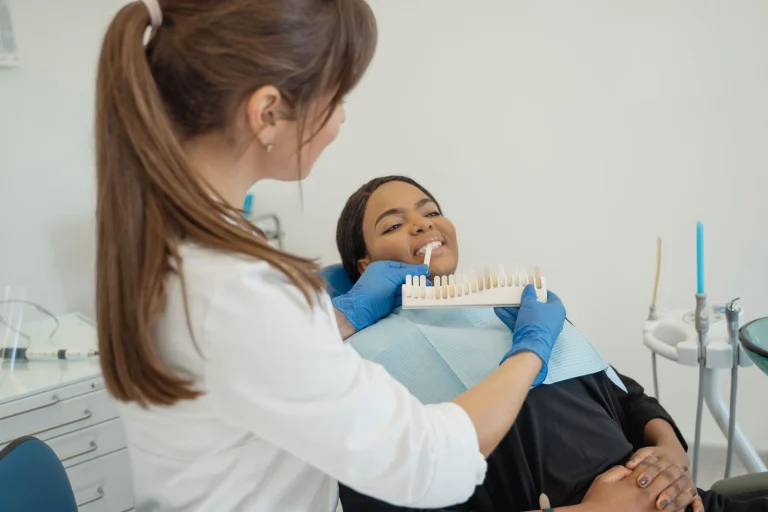
Whitening before a vacation or event is popular. Sensitivity to cold air and fluids is common afterward and fades within 24 to 36 hours, and it is important to avoid colorants such as red wine, dark colas, coffee, tea and red sauces in the first 24 hours. Don’t schedule whitening the day before a trip full of coffee and restaurant meals. Read about teeth whitening or plan ahead with a spotlight-ready smile timeline.
Invisalign on the go
Aligners work when they are worn, at least 22 hours a day, and each set is worn for about two weeks. Take them out to eat, drink, brush and floss. Before a long trip, ask how to handle any aligner changes that fall while you are away, and pack a case so aligners never end up wrapped in a napkin. Read Invisalign in real life.
Pack a travel dental kit
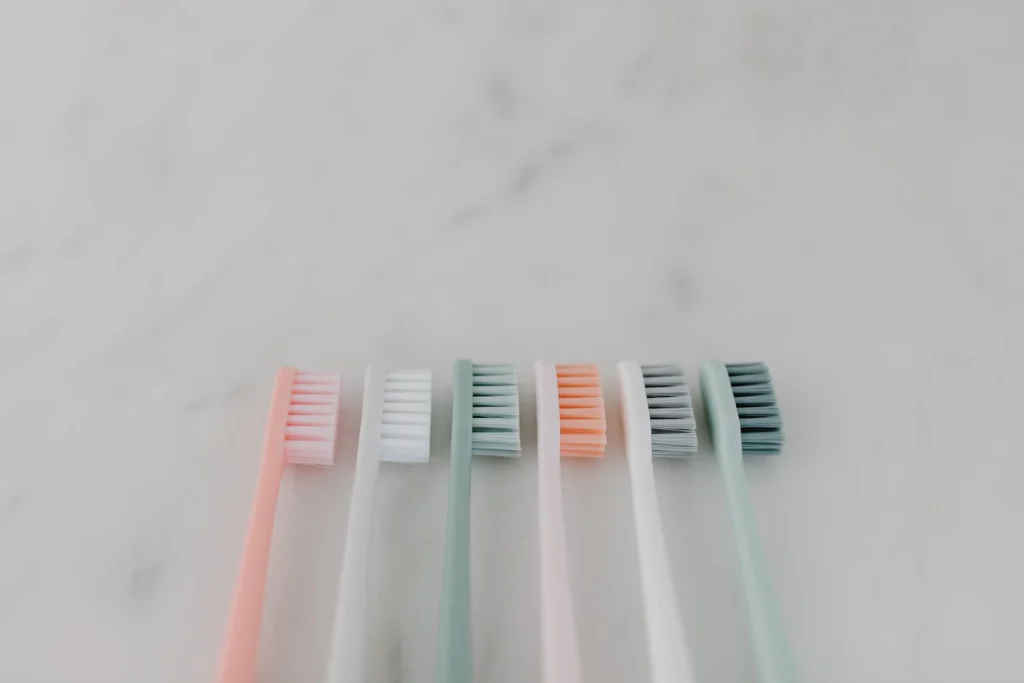
- A toothbrush with a ventilated cover, so it can dry between uses
- Your usual toothpaste in a travel size
- Floss, floss picks or interdental brushes, especially if you have implants or a bridge
- An aligner, retainer or denture case, plus cleaning supplies
- Your custom bite guard, if you grind your teeth
- A sports mouthguard for active trips and camps
- Xylitol mints for after meals when you can’t brush
- Any medications you have been prescribed
- Denture adhesive if you have a temporary crown or bridge
- The office phone number: (410) 453-9399
Looking after your teeth on the road
- Use safe water. Where tap water isn’t safe to drink, use bottled water to brush and rinse too.
- Keep your routine through time zones. Brush morning and night by your own clock, even when days blur together.
- Stay hydrated. Travel days, long flights and alcohol can leave your mouth dry, and saliva is your teeth’s natural protection. Read why dry mouth is dangerous for your teeth.
- Watch the grazing. Sipping sweet drinks and snacking all day on long drives keeps teeth under acid attack. Group snacks and drink water between them.
- Don’t use your teeth as tools. Opening packages or bottles with your teeth is a common way to chip them.
- Be careful with hard foods. Ice, hard candy and unfamiliar crunchy foods can crack teeth and dislodge temporaries.
If something goes wrong while you’re away
A knocked-out tooth
Put the tooth in milk and see the nearest dentist immediately. Time is of the essence, and a knocked-out tooth can be saved if you’re seen quickly enough. If only part of the tooth broke off, bring the piece with you.
A lost filling or crown
Keep the crown, avoid chewing on that side and arrange to have it seen. Read what to do when a filling or crown falls out.
Pain with facial swelling
Don’t wait until you get home. An abscess can spread and cause swelling that can become life threatening. Antibiotics can slow the spread, but you still need dental treatment, so find care where you are.
Calling the office
Call as early in the day as you can. Dr. Haywood is available anytime for true dental emergencies for existing patients and their friends and families, and the team can talk you through your questions. See emergency dental care and common dental emergencies and what to do.
When you get home
If you were sick while traveling, it is a good time to start a fresh toothbrush; read how often should I replace my toothbrush? If a dentist treated you while you were away, book a visit so Dr. Haywood can check the repair and plan any follow-up. And if a tooth started bothering you during the trip, don’t let it slide now that you’re back.
Paying for your visit
The practice is out of network with all dental insurance providers. You pay at the time of your visit, and the office files the claim on your behalf so your plan can reimburse you for whatever it covers. Health savings and flex plans are welcome, and financing is available through CareCredit, with no-interest options for up to 12 months, and Cherry, with plans from 3 to 24 months. See financing options.
Frequently asked questions
Should I see a dentist before a vacation?
Before a long trip, yes. A checkup can find loose fillings, cracks or early infections before they turn into an emergency far from home. Book early enough to leave time for any treatment and healing.
Can I travel right after a tooth extraction?
Ask Dr. Haywood about your own case. For 72 hours afterward, the post-op instructions ask you to avoid straws, smoking, alcohol, vigorous rinsing and brushing next to the site, and to limit vigorous exercise for 24 hours, so plan a quiet few days.
What if my temporary crown comes off on a trip?
Place a little denture adhesive inside it, put it back on and call the office during normal business hours. Don’t leave the temporary off, even if it doesn’t hurt.
Should I bring my night guard when I travel?
Yes. Grinding doesn’t take a vacation, and a custom bite guard helps protect your teeth from wear wherever you sleep.
Plan your pre-trip visit in Timonium
Traveling soon? Book a checkup before you go. Request an appointment or call (410) 453-9399. The office of Dr. Steven W. Haywood, DDS is at 108 W Timonium Rd, Ste 200, Timonium, MD 21093, serving Timonium, Towson, Hunt Valley, Pikesville and Baltimore. Learn more about general dentistry and read the post-op instructions.
Ready to see your future smile?
Traveling soon? Book a checkup in Timonium before you go.