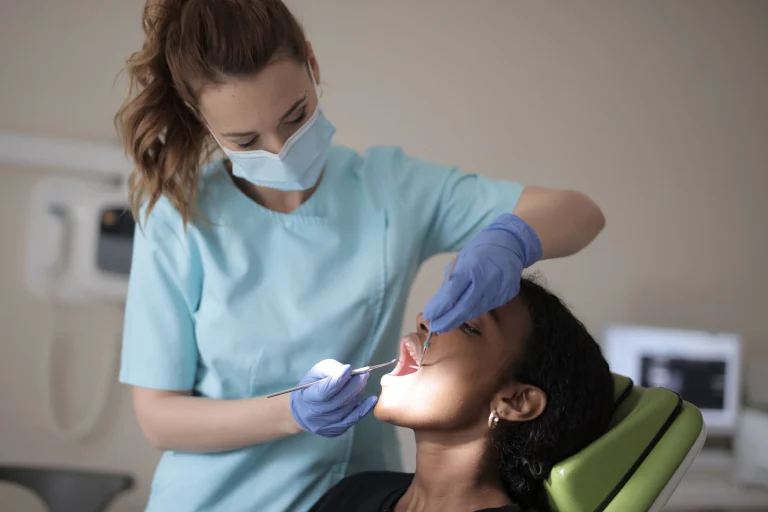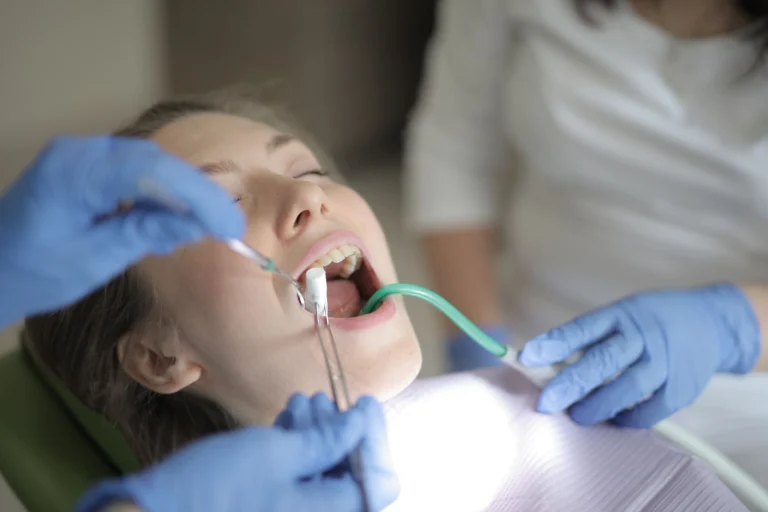
Some of the habits and trends people adopt for style can chip, crack or wear down their teeth. Oral jewelry, grills, filing teeth into new shapes, opening bottles with your teeth, holding hair pins between your teeth, chewing on sunglasses or pens and biting your nails all put force or friction on enamel it wasn’t built to handle. Enamel that is chipped or cracked doesn’t grow back, so the best approach is to know which habits carry risk, watch for the signs of damage and have a cracked tooth treated early.
This guide from the Timonium office of Dr. Steven W. Haywood, DDS covers the style habits most likely to damage teeth, how to tell whether a tooth is cracked, and the ways a damaged tooth can be repaired.
When style and oral health collide
Teeth are strong, but they are designed for chewing food, not for prying, gripping or clicking against metal. A single hard bite in the wrong spot can chip a corner. Repeated small impacts can create tiny cracks that grow over time. Anything that sits against the gums all day can also irritate the tissue and make it harder to keep plaque away.
Style habits that can chip and crack teeth
Oral jewelry
Tongue, lip and cheek jewelry can click against the teeth while you talk and eat, and many people play with it without noticing. That contact can chip teeth, damage fillings and rub against the gums. Read oral piercings and tooth gems: know the risks, and if you wear braces or aligners, oral piercings with braces or Invisalign.
Grills and decorative covers
Decorative covers worn over the teeth can trap food and plaque against the teeth and gums, especially when they are worn for long stretches or while eating. A poor fit can rub the gums or press unevenly on teeth. If you wear one, take it out to eat, clean it and your teeth carefully, and let the team know at your visit so your teeth and gums can be checked.
Filing or reshaping teeth at home
Videos of people filing their own teeth to even them out appear regularly online. Filing removes enamel permanently, can expose the more sensitive layer underneath and can leave edges that chip more easily. If your teeth look uneven, a dentist can reshape or rebuild them safely. Read uneven teeth and gums: causes and treatment options.
Using your teeth as tools
Opening bottles, tearing tags, ripping open packages, biting thread or holding hair pins and bobby pins between your teeth all put sideways force on the front teeth. Teeth should never be used to open objects or cut things, and bonded or veneered teeth are especially at risk.
Chewing on accessories
Chewing the arm of your sunglasses, a pen cap or a necklace pendant is often a stress habit. So is crunching ice. Hard objects can chip enamel and crack teeth that already have large fillings.
Nail biting
Biting your nails wears the edges of the front teeth and can chip them. It also brings germs from your hands into your mouth.
Grinding and clenching
It isn’t a style choice, but stress often shows up as grinding or clenching. These habits place excessive force on your teeth, wearing the enamel away and introducing small cracks. Comfortable, clear bite guards custom-made for you help control tooth wear.
Signs you may have a cracked tooth
- A sharp pain when you bite down or when you release your bite
- Sensitivity to cold, heat or sweets in one tooth
- Pain that comes and goes rather than a constant ache
- A rough or sharp edge your tongue keeps finding
- A visible line or missing piece of tooth or filling
- Swelling of the gum near one tooth
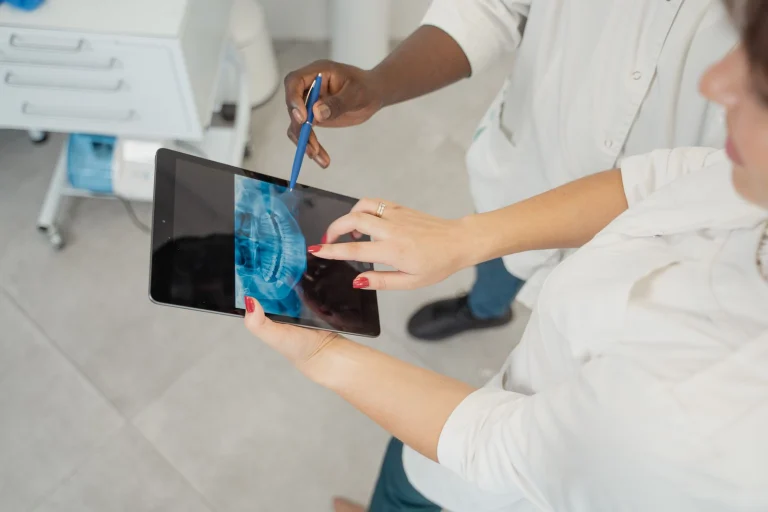
Cracks aren’t always visible, and some cause no pain at first. Intraoral cameras let the team zoom in on each section of your mouth, and digital X-rays appear on screen right away. Read sensitive teeth: causes and treatment.
Cracked teeth treatment in Timonium
How a cracked or chipped tooth is treated depends on where the damage is and how deep it goes.
A small chip: dental bonding
Bonding applies tooth-colored composite resin to repair chips and fractures. It can be completed in a single visit and typically requires no anesthesia. See dental bonding.
More damage: an onlay or a crown
When part of a tooth is gone, a bonded onlay can restore it while keeping more of your healthy tooth structure. When a tooth is extensively damaged, a porcelain crown restores its shape and protects what remains. Covering a tooth with a crown can also relieve discomfort caused by tiny cracks on the chewing surface of a filled tooth. See dental crowns.
A crack that reaches the nerve
If a crack lets infection reach the pulp inside the tooth, root canal therapy can remove the cause of the pain and preserve the tooth, which is then capped with a porcelain crown. See root canals.
Can every cracked tooth be saved?
Not always. A crack along the gumline is usually a horizontal fracture that can normally be saved with restorative and surgical procedures. A vertical crack that splits the entire root means the tooth can’t be saved, while a partial vertical fracture may still be saved. Dr. Haywood can help you decide whether a dental implant is a better choice. For more on the choices, read broken tooth dilemmas.
If it happens suddenly
A cracked tooth is one of the most common dental emergencies. Call as early in the day as you can. Dr. Haywood is available for true emergencies for existing patients and their friends and families, and new patients with emergency needs are seen on weekdays during normal business hours, based on availability. See emergency dental care.
Safer ways to express your style through your smile
If you want a smile that stands out, cosmetic dentistry can change how your teeth look without the risks of do-it-yourself trends. Teeth whitening brightens stained teeth, bonding can reshape teeth and close gaps in a single visit, and porcelain veneers can improve chips, stains and uneven teeth. Cosmetic imaging is part of every cosmetic evaluation, so you can preview changes before treatment. Bite protection is suggested for all cosmetic work. See cosmetic dentistry in Timonium.
Paying for repairs and cosmetic care
The practice is out of network with all dental insurance providers. You pay at the time of your visit, and the office files the claim on your behalf so your plan can reimburse you for whatever it covers. Health savings and flex plans are welcome, and financing is available through CareCredit, with no-interest options for up to 12 months, and Cherry, with plans from 3 to 24 months. See financing options.
Frequently asked questions
Can a cracked tooth heal on its own?
No. Enamel doesn’t grow back, and a crack can spread with chewing. Having it checked early gives you more options for saving the tooth.
Are grills bad for your teeth?
They can trap plaque against the teeth and gums and rub the gums if they fit poorly or are worn for long periods. If you wear one, remove it to eat, keep it and your teeth clean, and have your teeth and gums checked regularly.
Is chewing ice bad for your teeth?
Crunching ice is hard on enamel and can chip teeth or crack teeth with large fillings. Letting ice melt or choosing chilled water is kinder to your teeth.
I chipped a tooth on my jewelry. What should I do?
Save any piece you find, rinse your mouth with water and call the office. A small chip can often be repaired with bonding, and a larger break may need an onlay or a crown.
Protect your smile with a visit in Timonium
If a style habit has left you with a chipped, cracked or sensitive tooth, an exam can find the damage and the best way to repair it. Request an appointment or call (410) 453-9399. The office of Dr. Steven W. Haywood, DDS is at 108 W Timonium Rd, Ste 200, Timonium, MD 21093, serving Timonium, Lutherville, Cockeysville, Towson and Hunt Valley. See general dentistry in Timonium.
Ready to see your future smile?
Chipped or cracked a tooth? Call early in the day or book an exam in Timonium.