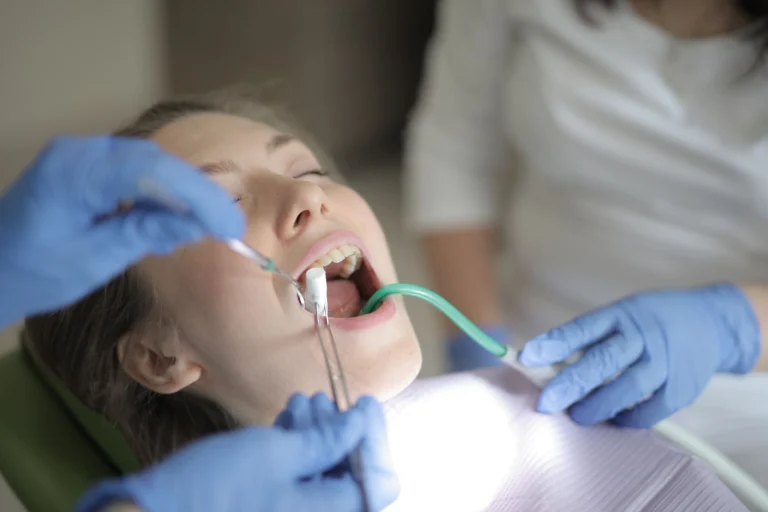
Being told that an area in your mouth needs a closer look after an oral cancer screening can be unsettling, but it is not a diagnosis. A screening is designed to be sensitive: its job is to flag anything unusual so it can be evaluated, and many flagged areas turn out to be irritation, injury or infection rather than cancer. Peace of mind comes from understanding what the finding means, taking the next step promptly, and knowing that at the Timonium office of Dr. Steven W. Haywood, DDS, the findings and your next steps are explained clearly before anything else happens.
This article explains what a screening result can and can’t tell you, what further evaluation looks like, how to handle the worry of waiting, and how the practice helps nervous patients stay on track with the care they need. It is general information; your own situation should always be discussed with Dr. Haywood.
What an oral cancer screening is designed to do
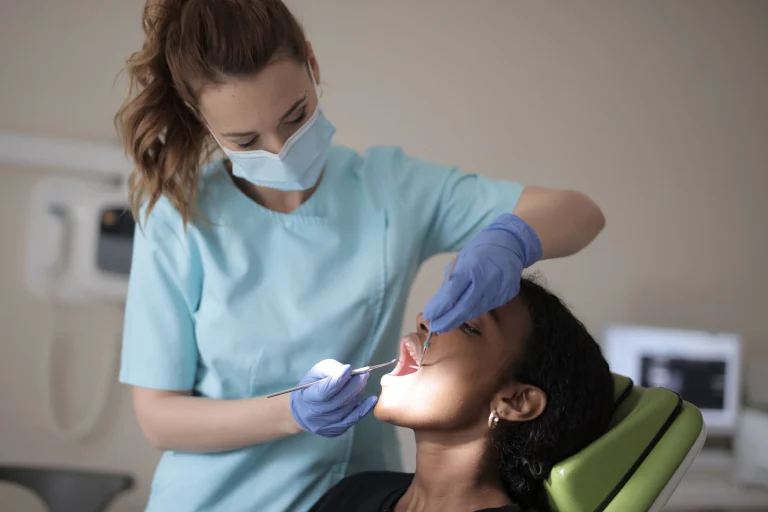
An oral cancer screening is quick and pain-free and checks the soft tissues of your mouth, throat and tongue for abnormalities. At the practice, it is part of your regular checkup, and ViziLite, a screening tool used to identify abnormal cells or other signs of oral cancer, helps make changes easier to see.
Screening tools are meant to catch as many possible problems as they can. That means they sometimes highlight areas that turn out to be harmless. A flagged area is a question, not an answer. For how the visit works, read what happens during an oral cancer screening.
If your screening finds nothing unusual
Most screenings don’t find anything of concern. That is good news, and it also creates a baseline for future visits. Keep up these habits:
- Continue your yearly screening. The practice recommends one each year for all patients over eighteen.
- Pay attention to your mouth between visits. See a winning strategy: your oral cancer self-check.
- Call rather than waiting for your next routine visit if you notice a change that concerns you.
If an area needs a closer look
What it can mean
Many things can make tissue in the mouth look or feel different: a cheek or tongue bite, a burn from hot food, rubbing from a sharp tooth or dental appliance, a canker sore, a fungal or bacterial infection, or long-term irritation from tobacco. Some changes are precancerous, and some are cancer. A screening alone can’t tell these apart, which is exactly why the next step matters.
Further evaluation in the office
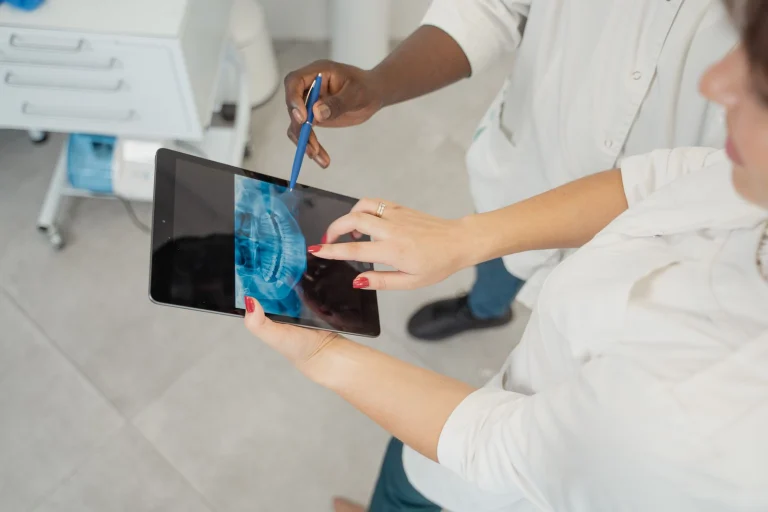
If an area needs more attention, non-surgical techniques for identifying cancer, including t-blue staining and Oral CDX cellular analysis, are available right in the office. These help show whether an area needs further investigation.
A clear conversation about next steps
Dr. Haywood explains what the findings mean and discusses your next steps with you. In general, only a laboratory examination of tissue can confirm or rule out cancer, so depending on what an evaluation shows, next steps may include watching an area over time, rechecking it at a follow-up visit, or further testing.
Questions worth asking
It is easy to forget questions in the moment. Consider writing these down:
- What exactly did you see, and where?
- What are the most likely explanations?
- What is the next step, and how soon should it happen?
- Is there anything I should avoid or watch for in the meantime?
- When will I hear about results, and who will contact me?
- Should I come back sooner if the area changes?
Handling the worry of waiting
Feeling anxious after hearing that something needs a closer look is completely normal. A few things can help:
- Take the next step quickly. The waiting is often harder than the evaluation itself, and prompt follow-up is also the best thing for your health.
- Be careful with online searches. Photos and stories online can’t tell you what is happening in your own mouth.
- Talk to someone you trust. Sharing the worry often makes it lighter.
- Keep your appointments. Don’t let fear lead you to skip follow-up. An early answer, whatever it is, gives you more options.
- Keep up your usual care. Continue brushing, cleaning between your teeth and avoiding tobacco.
Why early evaluation gives you more peace of mind
Oral cancer is a serious, life-threatening condition, and early diagnosis increases the likelihood of more successful treatment. That cuts both ways for peace of mind: a prompt evaluation either rules out a problem or finds it at a stage when more can be done. Putting it off only extends the uncertainty. For the signs worth watching for, read oral cancer signs and symptoms, and for who is at higher risk, see oral cancer risk factors.
Comfort for nervous patients
Some people avoid screenings or follow-up visits because dental appointments feel stressful in general. The practice is built to make that easier:
- A conversation first. Your appointment starts with your concerns, health history and whether fear is a problem for you, and your options are explained clearly before anything happens.
- A spa-like office. Paraffin wax hand treatments, aromatherapy and a calm, welcoming setting help you relax.
- Sedation if you need it. Laughing gas is offered as a complimentary service, oral sedation is available, and IV sedation is available for longer or more complex treatment.
Read comfortable dental care for anxious patients and sedation dentistry.
Paying for your screening and follow-up
The practice is out of network with all dental insurance providers. You pay at the time of your visit, and the office files the claim on your behalf so your plan can reimburse you for whatever it covers. Health savings and flex plans are welcome, and financing is available through CareCredit, with no-interest options for up to 12 months, and Cherry, with plans from 3 to 24 months. See financing options.
Frequently asked questions
Does a flagged area on a screening mean I have cancer?
No. A screening highlights areas that need a closer look, and many turn out to be irritation, injury or infection. Only further evaluation can show what an area is.
What are t-blue staining and Oral CDX?
They are non-surgical techniques for identifying cancer that are available in the office. They help show whether an area flagged at a screening needs further investigation.
Should I be worried if I am asked to come back for a recheck?
A recheck is a normal, careful step. Some areas are best evaluated again after a short time to see whether they have healed. Keep the appointment and call sooner if the area changes.
What if I’m too anxious to get screened at all?
Tell the team. The screening itself is quick and pain-free, your options are explained before anything happens, and complimentary laughing gas is available on request.
Get answers and peace of mind in Timonium
If you are due for a screening, or have been told an area needs a closer look, don’t put it off. Request an appointment or call (410) 453-9399. The office of Dr. Steven W. Haywood, DDS is at 108 W Timonium Rd, Ste 200, Timonium, MD 21093, serving Timonium, Towson, Pikesville, Baltimore and the surrounding communities. Learn more about oral cancer screening in Timonium.
Ready to see your future smile?
Told an area needs a closer look? Get answers promptly in Timonium.