An oral cancer screening is a quick, pain-free check of the soft tissues of your mouth, throat and tongue for anything abnormal. At the Timonium office of Dr. Steven W. Haywood, DDS, it is part of your regular checkup: the tissues are examined, ViziLite technology helps make abnormal cells easier to see, and if an area needs a closer look, non-surgical techniques such as t-blue staining and Oral CDX cellular analysis are available right in the office. The ViziLite screen can detect signs of oral cancer in as little as ten minutes.
A screening is not a diagnosis. Its job is to find areas that deserve more attention, as early as possible. This article walks through what happens before, during and after a screening, who should be screened and how often, and what a screening can and can’t tell you.
Why oral cancer screenings matter
Oral cancer is a serious, life-threatening condition. Early diagnosis increases the likelihood of more successful treatment, which is why a regular screening is worth the few minutes it takes.
Early changes in the mouth are also easy to miss on your own. A small patch or sore may not hurt, may be in a spot you can’t see, or may look like an everyday irritation. A trained eye and screening tools help catch changes you might not notice.
Who should be screened, and how often?
The practice recommends that all patients over eighteen be screened once a year. Regular screenings are especially important for:
- Anyone over 40
- Anyone who smokes
- Anyone with a family history of cancer
Alcohol, infection, the HPV virus and smoking have all been implicated in the onset of oral cancer. If you would like to know whether you might be at higher risk, ask at your next visit, and read oral cancer risk factors you can and can’t control.
Before your screening
There is nothing special you need to do to prepare. It helps to:
- Mention any changes you’ve noticed, such as a sore, patch, lump, numbness or hoarseness, even if they seem minor.
- Share your health history honestly, including tobacco and alcohol use. The team asks to understand your risk, not to judge.
- Bring your medication list and tell the team about any past cancer or treatment.
If you wear a removable denture or partial, it is generally taken out during an oral exam so all the tissue underneath can be seen.
What happens during an oral cancer screening
1. A look at the soft tissues
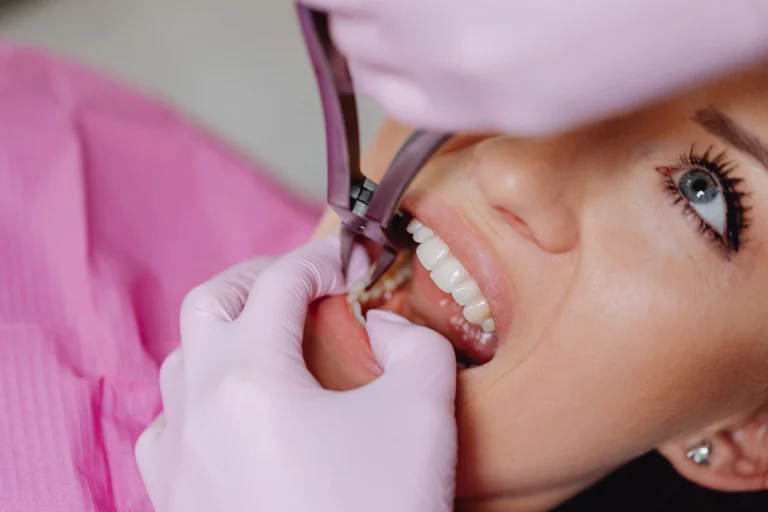
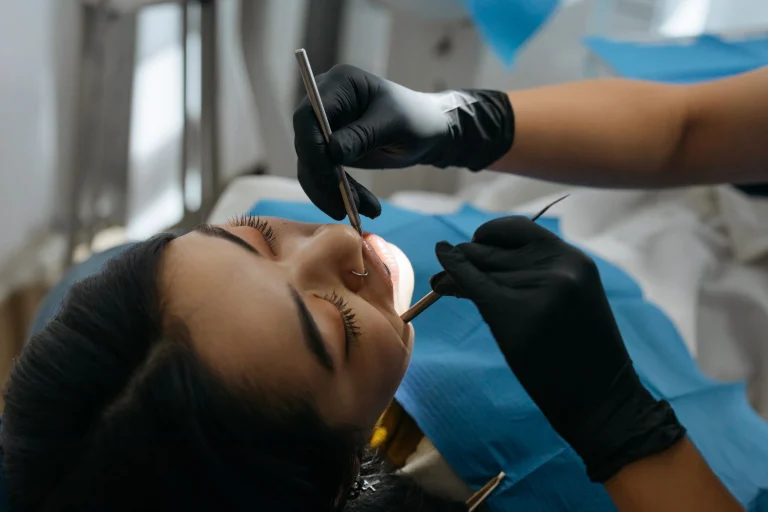
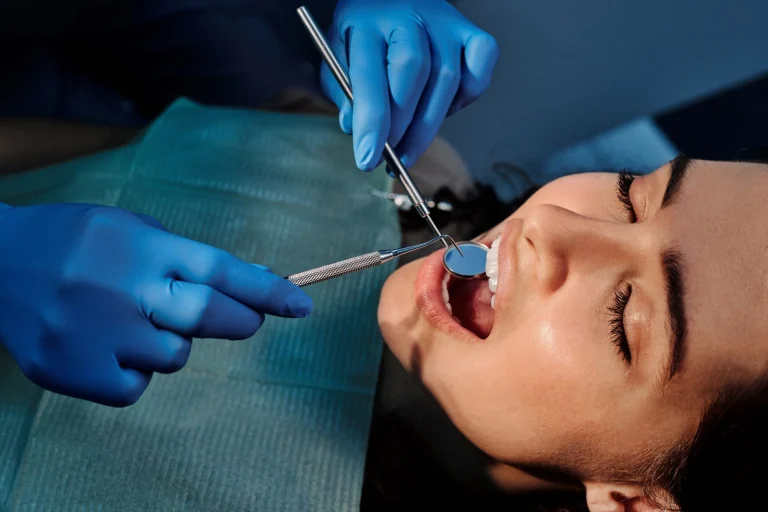
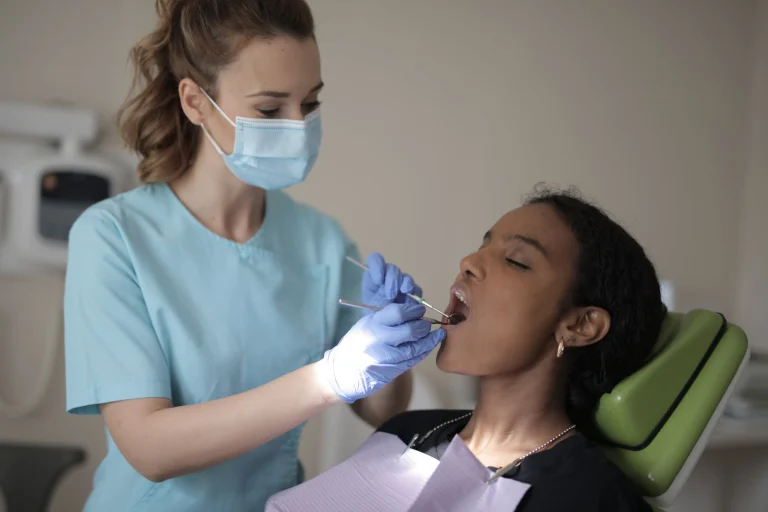
The screening checks the soft tissues of your mouth, throat and tongue for abnormalities. In a typical oral cancer exam, that includes your lips, the insides of your cheeks, your gums, the top, sides and underside of your tongue, the floor and roof of your mouth, and the back of your throat. Changes in color or texture, sores, patches and lumps are all noted.
2. A closer look with ViziLite
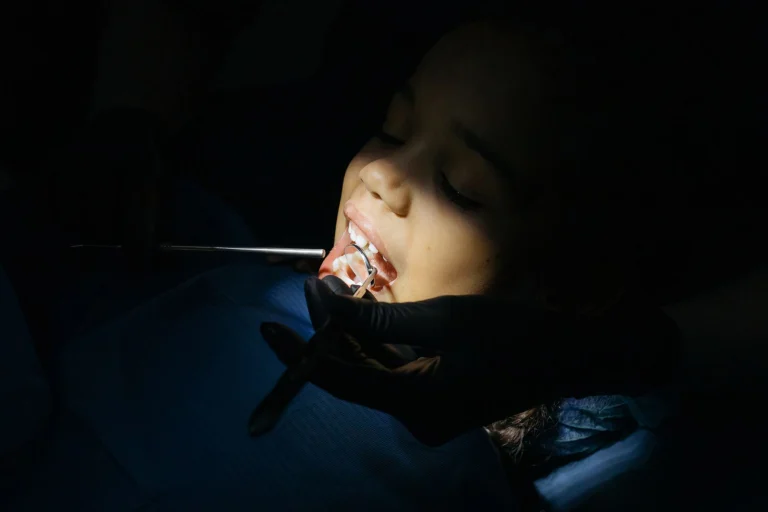
ViziLite is a screening tool used to identify abnormal cells or other signs of oral cancer. As the practice describes it, a special solution turns cell abnormalities blue so they are easy to see under ViziLite’s light, which helps with early detection. ViziLite is available during office examinations.
3. Further evaluation, if needed
If an area needs more attention, non-surgical techniques for identifying cancer, including t-blue staining and Oral CDX cellular analysis, are available right in the office. These help show whether an area needs further investigation.
4. Talking through the findings
Dr. Haywood explains what the findings mean and discusses your next steps with you. Most of the time, a screening finds nothing of concern. When something does need follow-up, you will know what it is and what comes next. For what it’s like to hear that an area needs a closer look, read peace of mind after an oral cancer screening.
How long does it take, and does it hurt?
Not long, and no. The screening is quick and pain-free, and ViziLite can detect signs of oral cancer in as little as ten minutes, so it fits into your regular general dentistry appointment. Nothing is cut or removed during a routine screening.
What a screening can and can’t tell you
What it can do
- Find changes in the tissues of your mouth early, including ones you can’t see or feel
- Highlight areas that deserve a closer look
- Give a record to compare against at future visits
What it can’t do
A screening can’t confirm or rule out cancer on its own. Many spots that stand out turn out to be irritation, injury or infection, and a normal screening doesn’t guarantee that nothing will change before your next one. That is why yearly screening and paying attention between visits both matter.
Don’t wait for your checkup if you notice a change
If you notice anything in your mouth that concerns you, call the office rather than waiting for your next routine visit, and the team can schedule a screening. Signs worth a call include a sore that doesn’t heal, a red or white patch, a lump or thickening, unexplained bleeding or numbness, or trouble chewing or swallowing. Read oral cancer signs and symptoms, and learn how to check your own mouth between visits.
Other technology that supports early detection
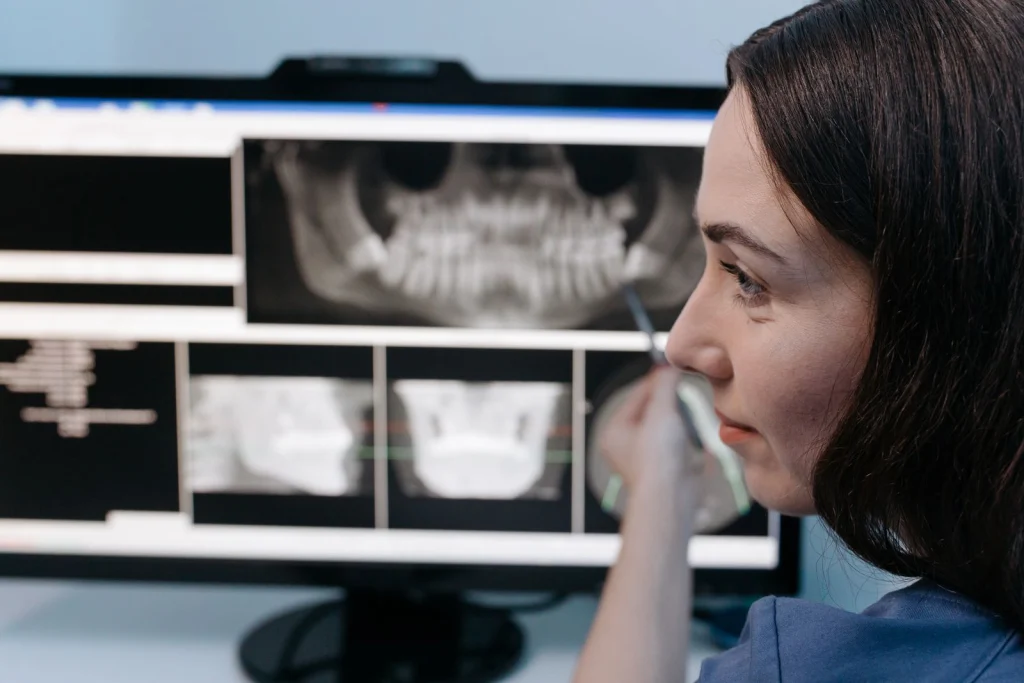
Digital X-rays help spot decay, infection and abnormalities early, and intraoral cameras let the team zoom in on each section of your mouth, so problems can be seen and explained clearly. See dental technology at the practice.
Paying for your screening
The practice is out of network with all dental insurance providers. You pay at the time of your visit, and the office files the claim on your behalf so your plan can reimburse you for whatever it covers. Health savings and flex plans are welcome, and financing is available through CareCredit, with no-interest options for up to 12 months, and Cherry, with plans from 3 to 24 months. See financing options.
Frequently asked questions
Is an oral cancer screening part of my regular checkup?
Yes. At the practice, the screening is part of your routine checkup and is done during your regular general dentistry appointment. See general dentistry in Timonium.
How often should I have an oral cancer screening?
The practice recommends a screening once a year for all patients over eighteen, and regular screenings are especially important if you are over 40, smoke or have a family history of cancer.
What is ViziLite?
ViziLite is a screening tool that helps identify abnormal cells or other signs of oral cancer. A special solution makes cell abnormalities easier to see under its light.
What happens if something abnormal is found?
A screening highlights areas that need a closer look. Non-surgical techniques such as t-blue staining and Oral CDX cellular analysis are available in the office, and Dr. Haywood will explain the findings and discuss your next steps with you.
Schedule your oral cancer screening in Timonium
If it has been more than a year since your last screening, or you have noticed a change in your mouth, don’t put it off. Request an appointment or call (410) 453-9399. The office of Dr. Steven W. Haywood, DDS is at 108 W Timonium Rd, Ste 200, Timonium, MD 21093, serving Timonium, Towson, Pikesville, Baltimore and the surrounding communities. Learn more about oral cancer screening in Timonium.
Ready to see your future smile?
Due for your yearly oral cancer screening? Book it with your checkup in Timonium.