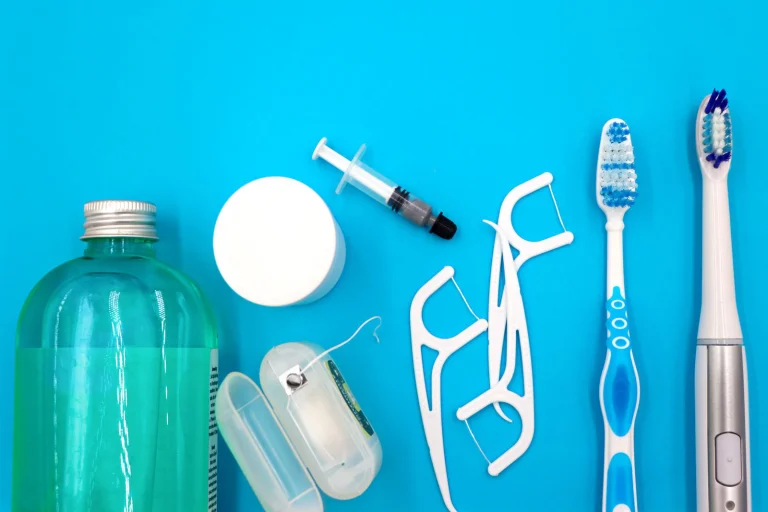
A smile-healthy diet is less about banning foods and more about what you put on your plate and when you eat it. Teeth and gums do best with meals built around whole foods that bring minerals and vitamins, crunchy produce that gets saliva flowing, water as your everyday drink, and fewer grazing sessions between meals. If you already know which foods to limit, this guide covers the other half of the picture: the foods that help, how to build a tooth-friendly day, and how what you eat affects dental work.
It comes from the Timonium office of Dr. Steven W. Haywood, DDS, where every first appointment starts with a conversation about your dental concerns, health history and medications, and where everyday habits are treated as part of keeping a healthy mouth and a smile you want to show.
How food affects your teeth and gums
Every time you eat sugars or starches, bacteria in plaque feed on them and release acid that softens enamel. Saliva then neutralizes that acid and helps return minerals to the surface of the tooth. Trouble starts when acid attacks come so often that saliva never catches up, or when a diet runs short on the nutrients that teeth and gums rely on.
A smile-healthy diet does two jobs at once. It gives your mouth the building blocks it needs, and it gives saliva time to do its work between meals. For a closer look at the foods that work against you, read about acidic foods and tooth enamel, hidden sugar on food labels and how different carbohydrates affect teeth.
Nutrients your smile relies on
Calcium and phosphorus
Enamel and the bone that holds your teeth are mineral tissues, and calcium and phosphorus are the main minerals involved. Saliva carries them back to the tooth surface after an acid attack. Plain yogurt, milk and cheese are familiar sources, and leafy greens, almonds, beans, eggs, fish and meat add more.
Vitamin D
Vitamin D helps your body absorb and use calcium. Eggs, fatty fish and fortified foods contain it, and sunlight helps your body make it. If you are unsure whether you get enough, that is a good question for your physician.
Vitamin C
Gums are soft tissue, and vitamin C supports healthy connective tissue. Citrus is the best-known source, but bell peppers, broccoli, strawberries and kiwi deliver it too, and eating whole produce is easier on enamel than sipping a glass of juice.
Vitamin A and colorful produce
Orange and dark green vegetables such as carrots, sweet potatoes and spinach support the soft tissues of the mouth. A plate with a range of colors brings a range of vitamins that healthy gums use.
Fiber and protein
Fibrous foods take more chewing, and chewing stimulates saliva. Protein foods such as eggs, fish, poultry, beans and nuts are low in the sugars plaque bacteria feed on, so they make steadier snacks than crackers or sweets.
Foods that help your smile
- Crunchy vegetables. Celery, carrots, cucumbers and bell peppers take chewing and bring water, which gets saliva moving.
- Cheese and plain yogurt. Low in sugar and rich in calcium. A piece of cheese at the end of a meal is a tooth-friendly way to finish.
- Nuts and seeds. Filling and low in sugar, and a better choice than chips. Just don’t crack shells with your teeth.
- Leafy greens. Minerals and vitamins with almost no sugar.
- Eggs, fish and poultry. Protein and phosphorus without feeding plaque.
- Water. Rinses food from teeth and keeps your mouth moist. Plain water is the best drink between meals.
- Xylitol. The practice offers xylitol mints and lollipops, which help reduce decay risk and make a better after-lunch treat than candy.
Whole fruit belongs in a healthy diet too. It brings water and fiber along with its natural sugar, so eating an apple is not the same as sipping juice all morning. Enjoy fruit with meals or as a single snack rather than something you pick at for hours.
When you eat matters as much as what you eat
Your teeth don’t count calories; they count acid attacks. A cookie eaten with lunch is one exposure. The same cookie broken into small bites across an afternoon, or a sweetened coffee sipped for hours, keeps the attack going and leaves saliva no chance to recover.
- Eat sweets and starches with meals, when saliva is already flowing.
- Keep snacks to set times instead of grazing.
- Drink water between meals, and save sweet or acidic drinks for mealtimes.
- Finish a meal with something neutral, such as cheese, nuts or a glass of water.
- After something acidic, rinse with water and give enamel time to settle before you brush.
- Make brushing the last thing you do at night, after your last bite.
A smile-healthy day of eating
There is no single right menu, but a tooth-friendly day tends to look something like this.
Breakfast
Eggs with vegetables, or plain yogurt with berries and nuts. Whole-grain toast holds up better than a sweet pastry, and water or unsweetened tea is easier on enamel than juice.
Lunch
A salad with leafy greens, chicken or beans and plenty of crunchy vegetables, or a sandwich on whole-grain bread with raw carrots on the side. If lunch includes something sweet, have it now rather than later in the afternoon.
Afternoon snack
Cheese and an apple, a handful of nuts, or cut vegetables with hummus. If you can’t brush after eating, a drink of water and a xylitol mint help.
Dinner
Fish or poultry, a green vegetable and a whole grain or sweet potato. If you want dessert, have it right after the meal. The practice’s guide to enjoying dessert with healthy teeth covers which sweets are gentler.
Before bed
Brush and clean between your teeth after your last food or drink, then stick to water.
Drinks and a smile-healthy diet
What you drink washes over every tooth. Water is the best everyday choice, and milk and unsweetened tea are generally gentle. Soda, sports drinks, energy drinks and juice bring sugar, acid or both, and they do the most harm when sipped slowly. If you enjoy them, have them with a meal, use a straw and follow with water. See why soda is double trouble for teeth and gums.
Unsweetened coffee, tea and red wine are not major decay risks on their own, but they are among the drinks most likely to stain teeth, which matters if you care about the color of your smile.
Your diet and cosmetic dental work
Food choices matter even more once you have invested in your smile.
- Whitened teeth. Right after whitening, the practice’s instructions are to avoid anything that colors teeth, such as red wine, dark colas, coffee, tea, red sauces and soy sauce. Over time, limiting staining foods and whitening routinely helps a brighter shade hold. Read how to keep a whiter smile after whitening.
- Dental bonding. Composite resin can stain, so brush or at least rinse well with water after cola, coffee, tea or red wine. Resin is not as strong as enamel, so avoid biting hard objects.
- Porcelain veneers. Porcelain resists stains better than natural teeth or composite, but it can break under extreme force, so avoid chewing very hard foods such as hard candy and ice on veneered teeth.
- Temporary crowns. Avoid sticky foods such as caramel and chewing gum until your permanent crown is in place.
If you are planning cosmetic dentistry in Timonium, mention your eating and drinking habits at your consultation. They affect which materials suit you and how you will care for them.
When diet isn’t the whole story
Some people eat well and still get cavities or sore gums. Medications that dry the mouth leave teeth without saliva’s protection, which is why dry mouth is dangerous for teeth. Grinding wears enamel no matter what you eat. Gum infection needs professional treatment, not just better food, and the health of your gums has been linked to serious health risks such as diabetes and cardiac disease.
Fluoride is optional here: patients who prefer to avoid it can have calcium rebuilding treatments instead. To help strengthen enamel, it offers calcium rebuilding treatments for patients of all ages, super sealants that seal the chewing surfaces of adult and children’s teeth, and unhurried professional cleanings that remove the plaque and tartar brushing misses. Holistic care at the practice treats the mouth as an entry point to the rest of the body; learn more about holistic dentistry in Timonium.
Paying for your care
The practice is out of network with insurance companies: you pay at the time of your visit, and the office files the claim so your plan can reimburse you for anything it covers. HSA and flex plans are welcome, and financing is available through CareCredit, with no-interest options for up to 12 months, and Cherry, with plans from 3 to 24 months.
Frequently asked questions
What foods are good for your teeth?
Cheese, plain yogurt, leafy greens, crunchy vegetables, nuts, eggs, fish and poultry are all tooth-friendly, and water is the best drink. They bring minerals and vitamins, encourage saliva and are low in the sugars that feed plaque bacteria.
Is fruit bad for your teeth?
No. Whole fruit is part of a healthy diet. Eat it with meals or as one snack rather than grazing on it, and choose whole fruit over juice when you can.
Can a better diet reverse a cavity?
Diet and saliva help enamel recover from everyday acid attacks, but a cavity that has already formed needs a dentist. Early decay is easier to treat, which is one reason regular checkups matter.
Does what I eat affect my gums?
Yes. Gums rely on nutrients such as vitamin C, and frequent sugar feeds the plaque bacteria that irritate them. Bleeding or swollen gums, though, are signs of infection that call for an exam, not just a change of menu.
Pair a smile-healthy diet with a checkup in Timonium
Good food choices work best alongside professional care. Request an appointment or call (410) 453-9399. The office of Dr. Steven W. Haywood, DDS is at 108 W Timonium Rd, Ste 200, Timonium, MD 21093, serving Timonium, Towson, Hunt Valley, Pikesville and Baltimore. Learn more about checkups and cleanings.
Ready to see your future smile?
Pair a smile-healthy diet with a checkup and cleaning in Timonium.