Searching for dental implant cost Maryland usually turns up either a vague range or no number at all. Neither is very satisfying when you're trying to plan for the expense. The honest answer is that implant pricing depends on a handful of specific choices, and once you understand what they are, you can walk into a consultation already knowing what to ask instead of hoping a number appears on a screen.
Why implant pricing isn't a single number
An honest fee depends on details only an exam and a 3D scan can show, and a number quoted before then is usually wrong in one direction or the other. That isn't evasiveness, it's arithmetic. Replacing three missing teeth doesn't automatically mean three separate implants. An implant bridge option can hold several teeth on just two or more implants, and a full arch is typically built on a foundation of four or more. A flat per-tooth price would overstate what a lot of cases actually need, and understate others.
Implants also aren't always the right answer for every mouth or every budget. A consultation sometimes points toward a bridge or a removable partial instead. Figuring out which treatment fits comes before pricing anything.
One missing tooth: what a single implant involves
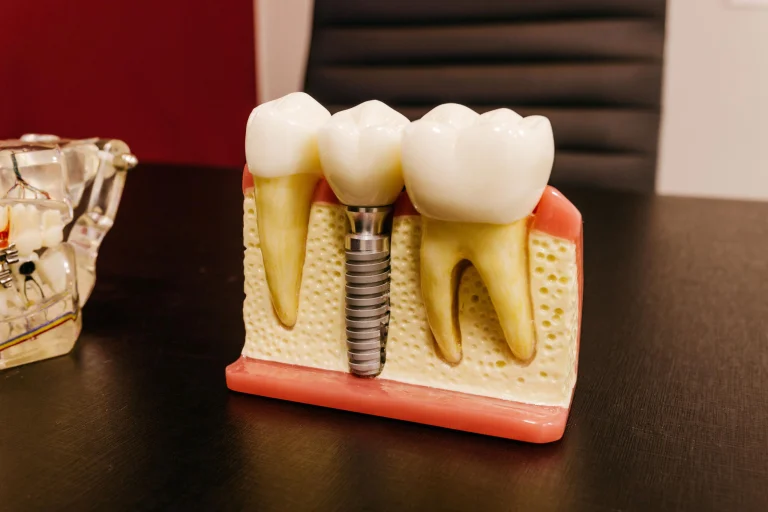
A single implant has three parts: the implant that replaces the root, the abutment that supports the new tooth, and the crown. Because it stands on its own, the teeth on either side are left alone. In this office, a single implant is regularly less expensive and more conservative than a traditional bridge, which has to be attached to the neighboring teeth.
A couple of things can bring the cost down further. When a tooth is being removed, the implant can often be placed at the same visit, avoiding a second surgical appointment. And a back tooth is often left unrestored while the implant heals, which can also lower the overall cost compared with placing a temporary crown right away. A single tooth can be restored in as little as 6–8 weeks after surgery, though that timeline depends on healing and the specifics of your case. Read more on the single tooth implant page.
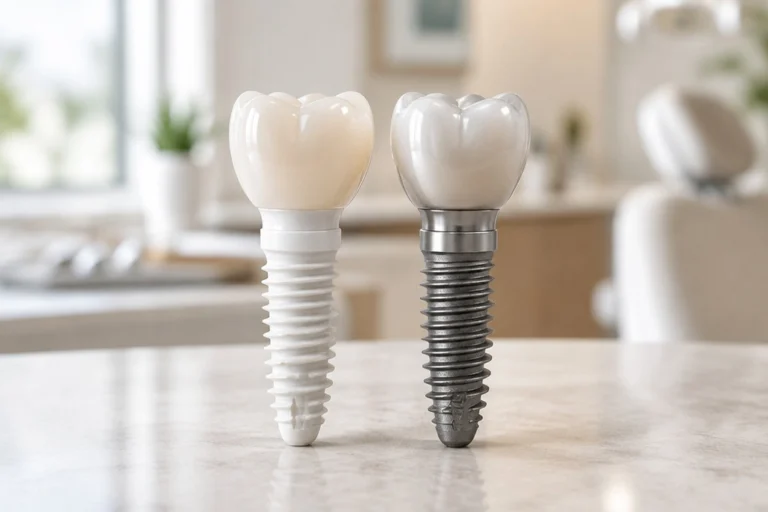
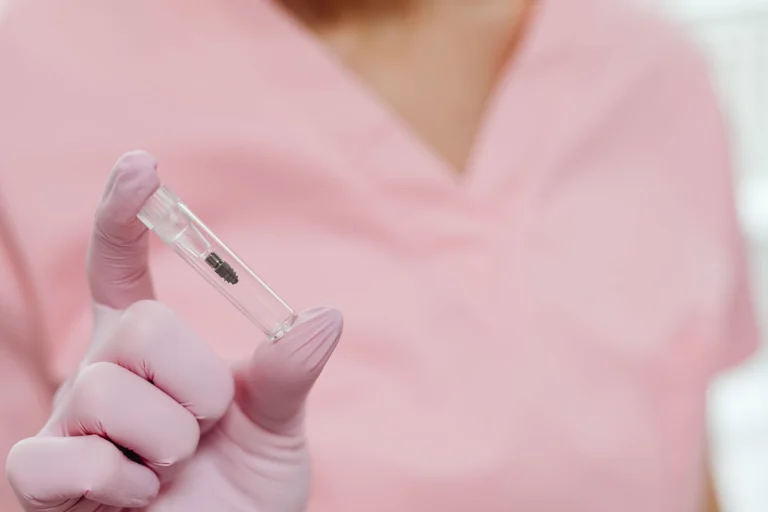
Material choice matters too. Titanium implants are the most common and successful type. Ceramic and zirconia implants are essentially the holistic implant of choice for patients who want to avoid metal, though they cost more than titanium. Front implants take more care because the bone is often thinner, so smaller implants, custom ceramic posts and computer-guided surgery are almost always used there, which can affect cost compared with a back tooth.
Several teeth in a row: implant bridges
When three or more teeth are missing next to each other, an implant bridge uses two or more implants to support the whole span, rather than one implant per missing tooth. That saves the cost of the extra implants and the post on each one, so an implant bridge can cost 20–30% less than placing an individual implant for every tooth.
The trade-off is cleaning. An implant bridge requires a floss threader, because food can collect underneath it in a way it doesn't around a single implant and crown. For a lot of patients that's a small price for fewer implants and a lower bill. Details are on the implant bridge option page.
Most or all teeth missing: snap-on vs. fixed full-arch
When most or all of the teeth in an arch are gone, the two main options are removable snap-on teeth and fixed full-arch teeth, and they sit at different points on the cost scale.
A snap-on upper set usually rests on four or five implants and is horseshoe-shaped, leaving the palate uncovered. The lower set needs at least two implants, with four or more often preferred. A full upper set of snap-on implant teeth costs roughly 30% less than a comparable fixed set, which makes it a common starting point for patients working within a tighter budget, with the option to add implants later.
Fixed full-arch teeth are screwed or cemented onto at least four implants, with more often suggested where bone support is lacking. They're the most costly option of the two, but they don't come out for eating, which is why chewing feels closest to natural teeth. Only the practice can remove them, a spare set is always made, and removal and cleaning every 3–4 months is recommended in most cases. More detail is on the All-on-4 full-arch teeth page, and the full mouth implants page compares fixed and snap-on side by side.
What actually moves your fee up or down
Once a treatment plan is set, a handful of concrete factors push the fee one way or the other:
- How many implants are needed. One for a single tooth, several for a bridge, four or more for a full arch.
- What the implants hold. A single crown, a bridge, snap-on teeth or a fixed full-arch set each carry different costs.
- Material. Titanium is the most common and successful type; ceramic and zirconia cost more but avoid metal entirely.
- Preparatory work. Extractions, and bone grafting where the jawbone needs building up, add to the total before implant placement can happen.
- Location in the mouth. A front implant typically involves smaller implants, custom ceramic posts and computer-guided surgery, which a back tooth doesn't usually need.
For a full picture of how these add up in practice, the how much implants cost page walks through each one in more detail. Implant treatment, from the 3D scan to the final teeth, is planned and completed in one office, which is also where these variables get sorted out rather than estimated from a distance.
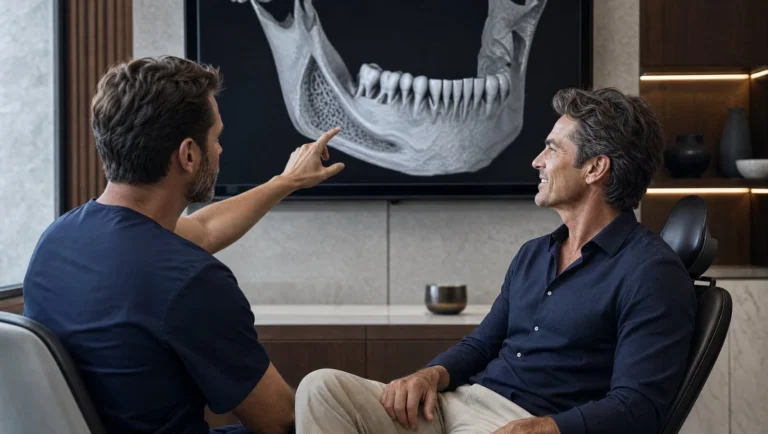
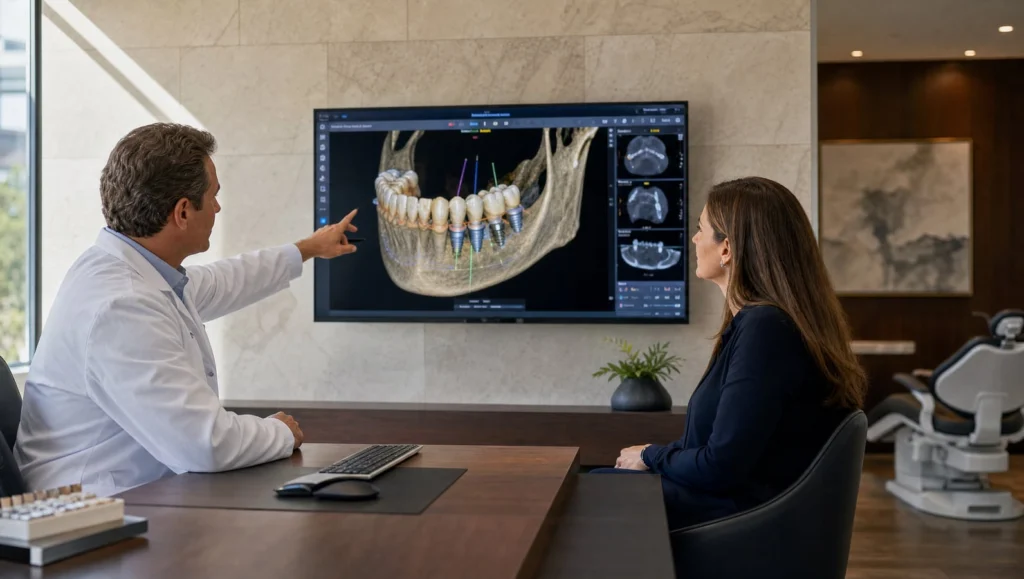
Computer-guided implant surgery, when it's part of the plan, uses a low-dose 3D Green CT scan, virtual planning and a 3D-printed surgical guide. It's one more reason a number can't be handed out before that scan happens: the plan it produces is what the fee is actually based on.
One more point worth knowing before a consultation: smokers can have implants, though they are somewhat less successful, which is worth raising honestly during the exam so it's factored into the plan.
Paying for implants: insurance and financing
The practice is out of network: patients pay at the time of service and the office files the insurance paperwork. Financing is available through CareCredit and Cherry, which spreads the cost over time rather than requiring the full fee up front.
For patients nervous about the surgery itself, laughing gas and oral conscious sedation are both available, which is worth mentioning at the consultation if anxiety is part of what's holding you back from booking.
Getting your actual number
There isn't a shortcut around the exam and the 3D scan. They're what turn a range of possibilities into one specific plan, with one specific fee attached to it. Everything above, the number of implants, the material, what they'll hold, and any prep work, gets decided there, not guessed at beforehand.
If you want to understand the parts and materials involved before that visit, the implant parts and materials page is a good place to start. When you're ready, you can book a consultation or call (410) 453-9399 to get a date on the calendar.
Ready to see your future smile?
Contact our Timonium dental office today to schedule your consultation.