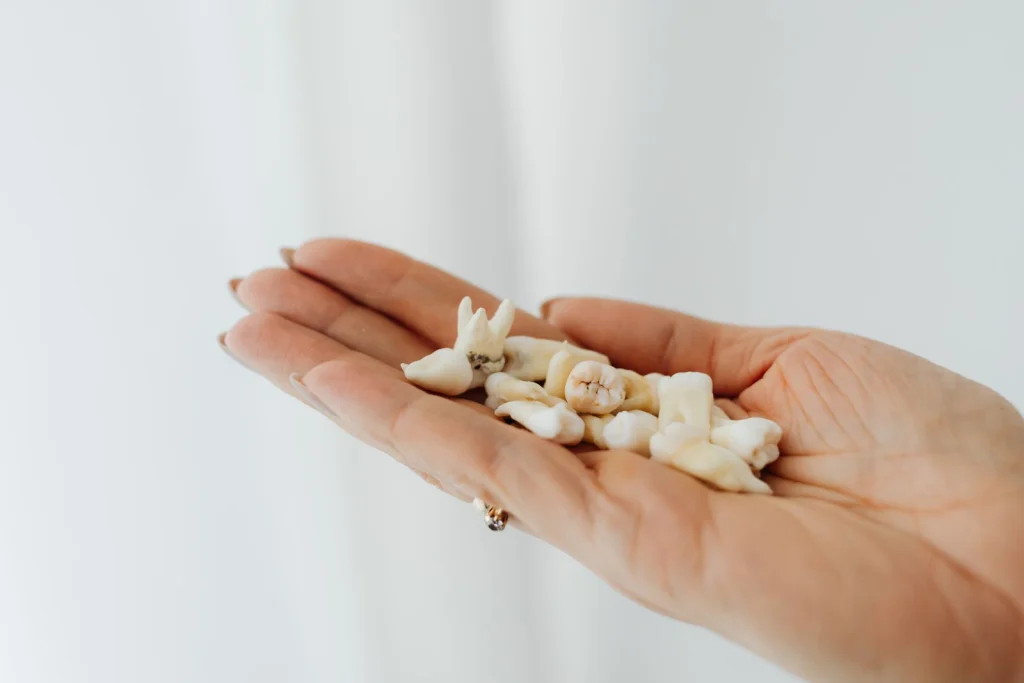
Yes, wisdom teeth removal is available in Timonium at the office of Dr. Steven W. Haywood, DDS. Wisdom teeth are the very back molars, and they tend to come in during late adolescence, when the mouth often doesn’t have room for them. When they get stuck, or impacted, they can be very painful and can damage other teeth, which is why removing them before they erupt is often recommended as a precaution. Unlike most extractions, wisdom teeth removal is often performed surgically, and sedation is available.
This guide covers what wisdom teeth are, the signs they are causing trouble, whether yours need to come out, what removal and sedation involve at the practice, and exactly how to care for your mouth afterward.
What wisdom teeth are
Most adults have molars toward the back of the mouth for grinding food. Wisdom teeth are the last molars to form, sitting behind the others at the very back of each arch. Some people never develop all of them, and some never have trouble with the ones they have. The difficulty is timing and space: by the time wisdom teeth are ready to come in, the jaw is often already full.
What “impacted” means
A wisdom tooth is impacted when it can’t come in normally. In general terms, it may stay completely under the gum and bone, break through only partway, or grow in at an angle toward the tooth in front of it. Impacted wisdom teeth are very painful and can damage other teeth. A tooth that has only partly broken through can also leave a flap of gum where food and bacteria collect.
Signs your wisdom teeth may be causing trouble
- Pain or pressure at the very back of the mouth
- Swollen, tender or bleeding gums behind the last molars
- Pain when you open wide or chew
- A bad taste or bad breath that doesn’t go away with brushing
- Swelling in the jaw or face, which should be checked right away
Wisdom teeth can also cause problems before you feel anything, which is one reason an exam and X-rays matter more than waiting for pain. If a tooth hurts and your face is swelling, call the office: an infection can spread through the jaw. See emergency dental care.
Why early removal is often recommended
Because impaction is painful and can harm the neighboring teeth, removing wisdom teeth before they erupt is often recommended as a precaution. Removing them early can prevent painful impaction rather than treating it after the fact. The timing that makes sense for you or your teenager depends on how the teeth are developing, which X-rays show.
Do all wisdom teeth have to come out?
Not automatically. The goal at the practice is to keep your natural teeth, so all available options are discussed before an extraction is recommended. With modern dentistry, extractions are quite rare; wisdom teeth are one of the main exceptions, alongside teeth so decayed or infected they could harm other teeth or your health, and teeth that are malpositioned or fractured. Your exam and X-rays show which wisdom teeth are likely to cause trouble and which can be watched. Routine check-ups are part of general dentistry in Timonium.
What wisdom teeth removal involves at the practice
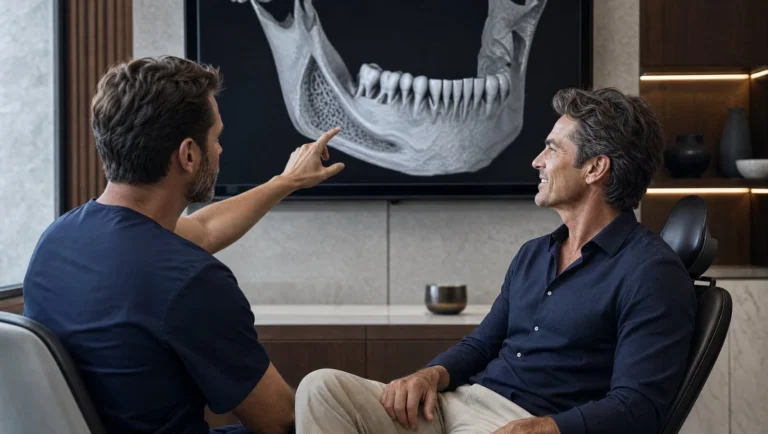
- Exam and X-rays. Dr. Haywood examines your mouth, reviews X-rays of the wisdom teeth and their neighbors, and goes over your health history and medications.
- A plan and a comfort choice. You hear which teeth should come out and why, and choose how relaxed you want to be.
- Gentle removal. Everything possible is done to keep you comfortable. A tooth is gently separated from the ligament that holds it and removed from the socket; wisdom teeth often need a surgical approach.
- Recovery instructions. You go home with gauze and clear instructions for the next 72 hours.
Dr. Haywood has over 35 years of experience, and the U.S. Air Force advanced residency program Dr. Haywood completed included an internship in oral surgery. Read more about tooth extractions in Timonium.
Sedation options for wisdom teeth removal
- Laughing gas is breathed through a nasal mask, offered as a complimentary service, and wears off quickly, so you can drive yourself home.
- Oral conscious sedation is a pill taken about an hour before your visit. It lasts several hours, and you remain conscious while feeling calm and relaxed.
If you are sedated, don’t drive or operate machinery, and bring a family member or friend with you. See sedation dentistry, or read the benefits of sedation dentistry.
Getting ready for the day
- Tell the office about any medical conditions and the medications you take, including aspirin and blood thinners, before surgical treatment.
- If the patient is under 18, a parent or legal guardian must be present during the consultation.
- Arrange a ride if you are having oral sedation.
- Stock plenty of fluids and nutritious soft foods for the first day.
- Put an ice pack, or an unopened bag of frozen peas or corn, in the freezer.
- Plan to take it easy: limit vigorous exercise for 24 hours afterward.
Recovery after wisdom teeth removal
The first hour
Bite on a gauze pad for 30–45 minutes so a blood clot can form, repeating if needed. If oozing continues, biting on a moist tea bag wrapped in gauze may help, because tea contains an ingredient that promotes clotting.
The first 72 hours
The clot protects the socket while it heals. For 72 hours, don’t rinse vigorously, suck on straws, smoke, drink alcohol or brush next to the extraction site. These can dislodge or dissolve the clot, leaving bone exposed and causing severe throbbing pain. Limit vigorous exercise for 24 hours, since raised blood pressure can restart bleeding.
Swelling and pain
Some pain and swelling is normal. An ice pack or a bag of frozen vegetables on the area helps keep swelling to a minimum, and swelling usually subsides after 48 hours. Take pain medication as prescribed, and if antibiotics are prescribed, finish them even once you feel better. Call the office if the medication doesn’t seem to be working.
Eating and cleaning
Drink lots of fluids and eat nutritious soft food on the day of the extraction; you can eat normally as soon as you are comfortable. Resume brushing and flossing after 24 hours, keeping away from the extraction site until the 72 hours have passed. After a few days most people feel fine and resume normal activities. Full instructions are on the post-op instructions page.
When to call the office
Call right away if you have heavy bleeding, severe pain, swelling that continues for 2–3 days, or a reaction to your medication. Office hours are Monday 8:30 AM–6:30 PM, Tuesday 8:30 AM–5 PM, Wednesday 8:30 AM–3:30 PM, Thursday 8:30 AM–4:30 PM and Friday 8:30 AM–4 PM.
Insurance and payment
The cost of wisdom teeth removal depends on how many teeth come out, how they are positioned and whether you choose sedation, so your fee is explained after your exam. The practice is out of network with all dental insurance companies: you pay at the time of your visit, and the office files the claim on your behalf so your plan can reimburse you for what it covers. How much your plan reimburses depends on the plan itself. Health savings and flex plans are welcome, and financing is available through CareCredit (no-interest options up to 12 months) and Cherry (plans from 3 to 24 months). See financing options.
Frequently asked questions
At what age should wisdom teeth come out?
Wisdom teeth tend to erupt in late adolescence, and removing them before they erupt is often recommended as a precaution. X-rays show how your teeth are developing, and that decides the timing.
Will I be awake during wisdom teeth removal?
With laughing gas or oral conscious sedation you stay conscious, just calm and relaxed.
How long does recovery take?
Swelling usually subsides after 48 hours, the socket needs protecting for 72 hours, and after a few days most people feel fine and resume normal activities.
What can I eat after wisdom teeth removal?
Plenty of fluids and nutritious soft food on the first day, without straws. You can return to your normal diet as soon as you are comfortable.
Can I bring my teenager for wisdom teeth removal?
Yes. A parent or legal guardian must be present during the consultation of a patient under 18, and should plan to drive if sedation is used.
Book a wisdom teeth exam in Timonium
If your wisdom teeth hurt, or you want to know whether they will become a problem, request an appointment or call (410) 453-9399. Patients come from Timonium, Towson, Pikesville and Baltimore to the office at 108 W Timonium Rd, Ste 200, Timonium, MD 21093.
Ready to see your future smile?
Wisdom teeth bothering you? Book an exam in Timonium.