The best questions to ask when choosing a dentist cover six things: training and experience, how thorough checkups are, how problems are found and explained, which materials are used, how comfort and emergencies are handled, and how payment works. The answers tell you far more than a list of services or a nice website.
Below is a list of questions to ask a dentist before you book, why each one matters and how the Timonium office of Dr. Steven W. Haywood, DDS answers it, followed by the questions worth asking the dentist about your own mouth at your first visit.
Before you call: know what you are looking for
Different needs call for different questions. Take a moment to think about why you are looking:
- Routine checkups and cleanings for you or your family
- A specific problem, such as a toothache, bleeding gums, a broken tooth or jaw pain
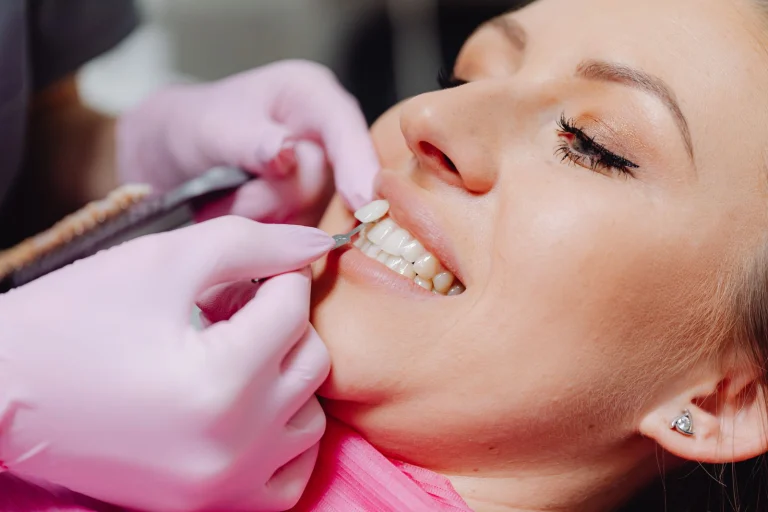
- A cosmetic goal, such as whiter, straighter or more even teeth. For those, also read how to choose a cosmetic dentist in Timonium.
- Replacing missing teeth with implants, a bridge or dentures
- A different approach, such as mercury-free or holistic care
- Dental anxiety that has kept you away
Questions to ask a dentist before you book
1. What training and experience do you have?
Why it matters: every dentist completes dental school, but advanced training and years in practice vary widely, especially for implants, cosmetic work and complex cases.
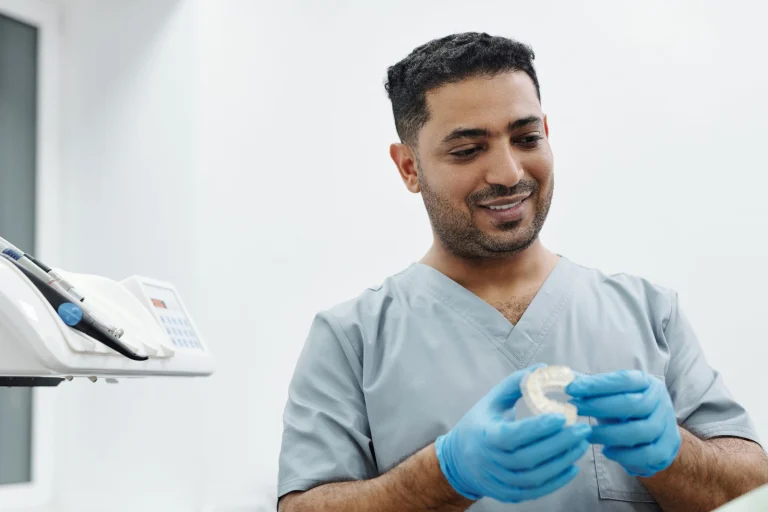
How this practice answers: Dr. Haywood has more than 35 years of experience, graduated with distinction from the University of Detroit dental school in 1987 and completed a U.S. Air Force advanced residency with internships including oral surgery, orthodontics and endodontics. Cosmetic training followed at NYU’s Aesthetic Continuum, with advanced TMJ and reconstructive training at the Peter Dawson Institute. Dr. Haywood is a Fellow of the International Congress of Oral Implantologists, a Member of the American Academy of Cosmetic Dentistry and an Elite Invisalign Provider.
2. How long are cleanings and checkups?
Why it matters: a rushed cleaning can leave plaque and tartar behind and miss early gum changes.
How this practice answers: cleaning appointments last a full 60 minutes, and a professional cleaning every six months is recommended. An oral cancer screening is part of the checkup.
3. How do you find problems early?
Why it matters: small problems need smaller, less costly treatment, and many don’t hurt until they have grown.
How this practice answers: digital X-rays with as much as 90 percent less exposure than film, intraoral cameras, DIAGNOdent laser decay detection, ViziLite oral cancer screening, oral DNA testing for gum disease and a low-dose Green CT scanner. See dental technology.
4. Will I see my X-rays and understand my options?
Why it matters: you can only make a confident decision about treatment if you understand the reason for it.
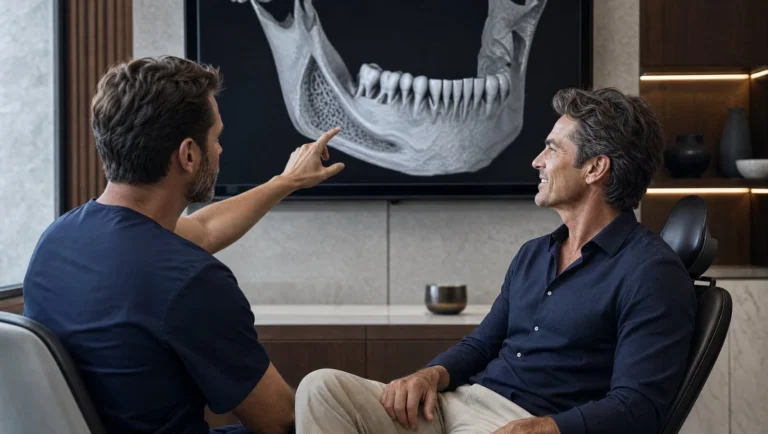
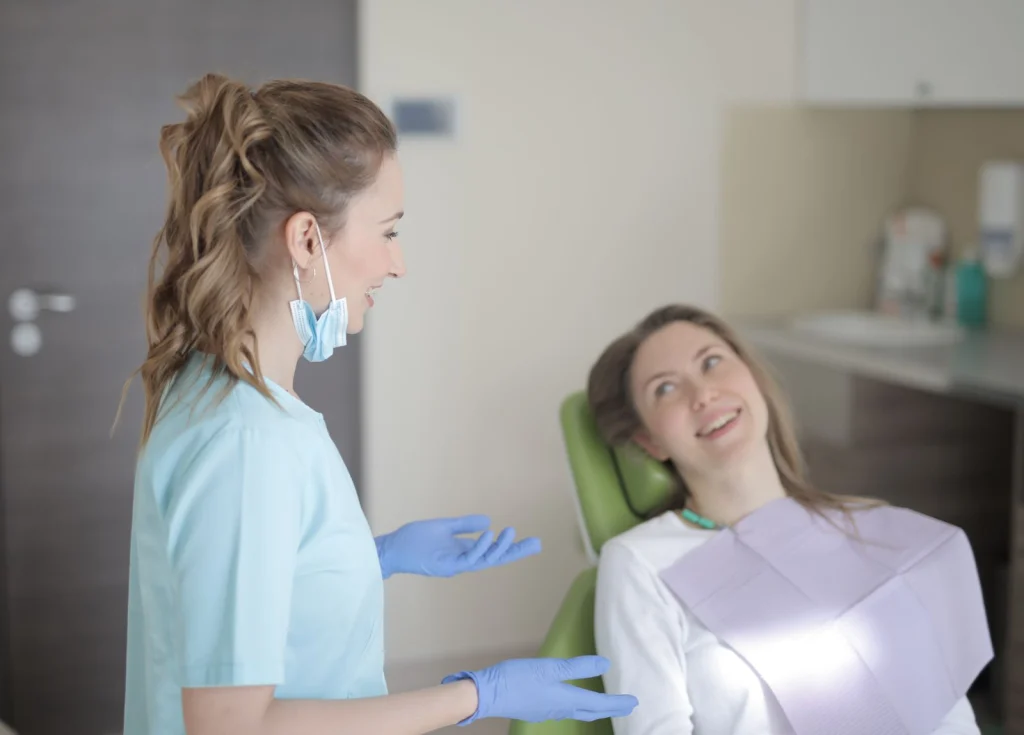
How this practice answers: X-rays appear on screen so you see what the team sees. Every visit starts with a conversation, not a drill, and the team walks you through what needs doing, what can safely wait and exactly what it costs, before anything begins.
5. What materials do you use in fillings and other dental work?
Why it matters: some people want to avoid metal fillings, mercury or fluoride, and it is better to know before treatment than after.
How this practice answers: the practice never uses amalgam fillings, avoids nickel and bisphenol plastics, and uses tooth-colored composite chosen for biocompatibility rather than for cost or convenience. Learn about holistic dentistry.
6. What if I’m nervous?
Why it matters: dental anxiety is common, and an office that plans around it makes it much easier to keep up with care.
How this practice answers: tell the team, and they plan around it. Laughing gas is complimentary, and oral conscious sedation is available. The spa-like office offers paraffin wax hand treatments and aromatherapy. See sedation dentistry.
7. What happens if I have a dental emergency?
Why it matters: pain rarely arrives at a convenient time.
How this practice answers: Dr. Haywood is available for true dental emergencies for existing patients and their friends and families. New patients with emergency needs are seen on weekdays during normal business hours, based on availability. Call as early in the day as you can. See emergency dental care.
8. Which treatments do you provide in the office?
Why it matters: care in one place means fewer new offices, fewer new faces and one team that knows your history.
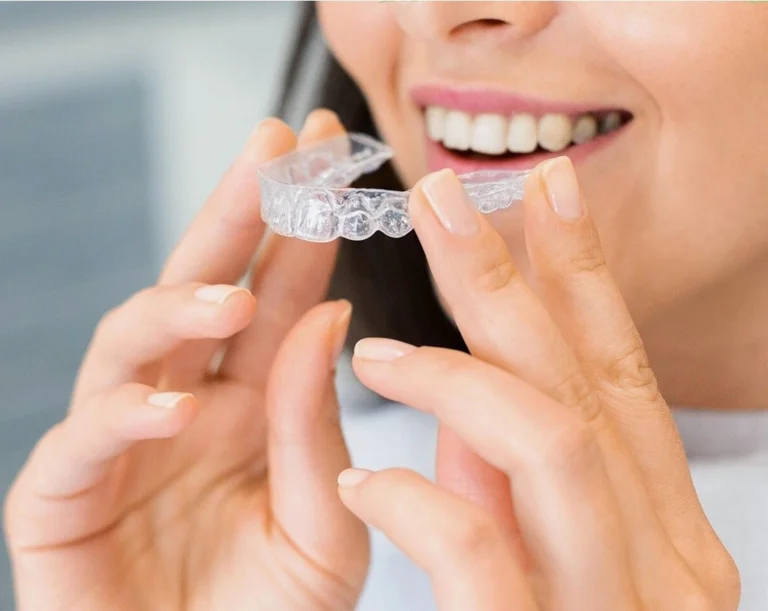
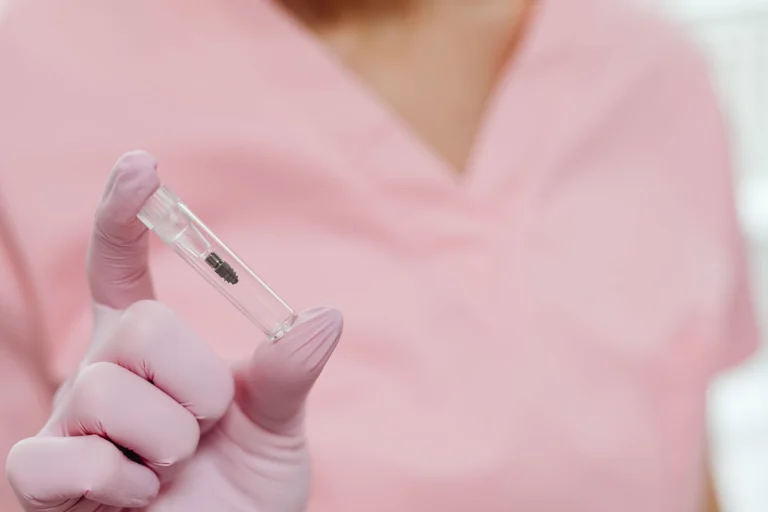
How this practice answers: general and preventive care, cosmetic dentistry, Invisalign, crowns and bridges, root canals, dentures, gum disease treatment, TMJ care and dental implants placed and restored in the same Timonium office. Every service is listed on the our services page.
9. How does payment work?
Why it matters: knowing how insurance, payment and financing work up front avoids surprises.
How this practice answers: the practice is out of network with all dental insurance companies. You pay at the time of your visit, and the office files the claim on your behalf so your plan can reimburse you. Health savings and flex plans are welcome, and financing is available through CareCredit, with no-interest options for up to 12 months, and Cherry, with plans from 3 to 24 months. See financing options.
10. What are your hours and office policies?
Why it matters: an office has to fit your schedule, and policies are easier to follow when you know them.
How this practice answers: Monday 8:30 AM to 6:30 PM, Tuesday 8:30 AM to 5 PM, Wednesday 8:30 AM to 3:30 PM, Thursday 8:30 AM to 4:30 PM and Friday 8:30 AM to 4 PM, closed weekends. Please give at least 72 business hours’ notice to cancel, and a parent or legal guardian must be present for the consultation of a patient under 18.
Questions to ask the dentist at your first visit
Once you have chosen a dentist, the most useful questions are about you. Consider asking:
- How healthy are my gums? Bleeding, receding gums and deep pockets are signs of infection that can be managed when caught early.
- Do I have any decay, or fillings that are wearing out? Ask to see it on the X-ray or intraoral camera.
- What needs treatment now, and what can safely wait? This helps you plan your time and budget.
- What are all of my options? Including the most conservative one, and what happens if I wait.
- How many visits will this take, and what will it cost?
- Is my bite healthy? Jaw tenderness and frequent headaches can be signs of a TMJ disorder, and grinding can wear teeth down.
- What should I be doing differently at home?
- When should I come back?
For quick answers to common questions about brushing, flossing, gums and fillings, read Dr. Haywood answers common dental questions.
How to get the most from your first appointment
A little preparation makes the conversation more productive:
- Rate your smile. On a scale of 1 to 10, how would you rank your smile and your ability to chew?
- Think ahead. What would you like for the health and appearance of your smile in 5 or 10 years?
- Write your questions down, and bring any X-rays, medical information and pictures that help convey your wishes.
- List your health conditions and medications, including aspirin, blood thinners and heart medications.
- Complete your forms online before you arrive. See new patient information.
If you are switching from another office, switching dentists in Timonium walks through getting your records. If you suspect your current care is falling short, read signs of quality dental care.
Frequently asked questions
Is it OK to ask a dentist a lot of questions?
Yes. A good dentist welcomes questions, and a first appointment here begins with an in-depth discussion of your dental concerns and goals. Bring your list.
Should I ask about cost before an exam?
Ask how payment, insurance and financing work before you book. An accurate fee for treatment depends on what an exam and X-rays show, so the cost of your own treatment is explained once your plan is set, before anything begins.
Can treatment happen at the first appointment?
In some instances, yes, although a comprehensive evaluation is an important first step. If you have a special event coming up, let the staff know when you book. When a plan needs more evidence or your medical history is complex, a second appointment is made to discuss your options.
Is it OK to get a second opinion?
Yes. Bring your records and any treatment plan you were given. If another office has already given you a dental implant plan, second opinions at this practice are always complimentary.
Bring your questions to Timonium
The right dentist is happy to answer every question on your list. Request an appointment or call (410) 453-9399. The office of Dr. Steven W. Haywood, DDS is at 108 W Timonium Rd, Ste 200, Timonium, MD 21093, serving Timonium, Towson, Hunt Valley and Baltimore. Find more articles on the blog.
Ready to see your future smile?
Bring your questions: book a first visit with Dr. Haywood in Timonium.