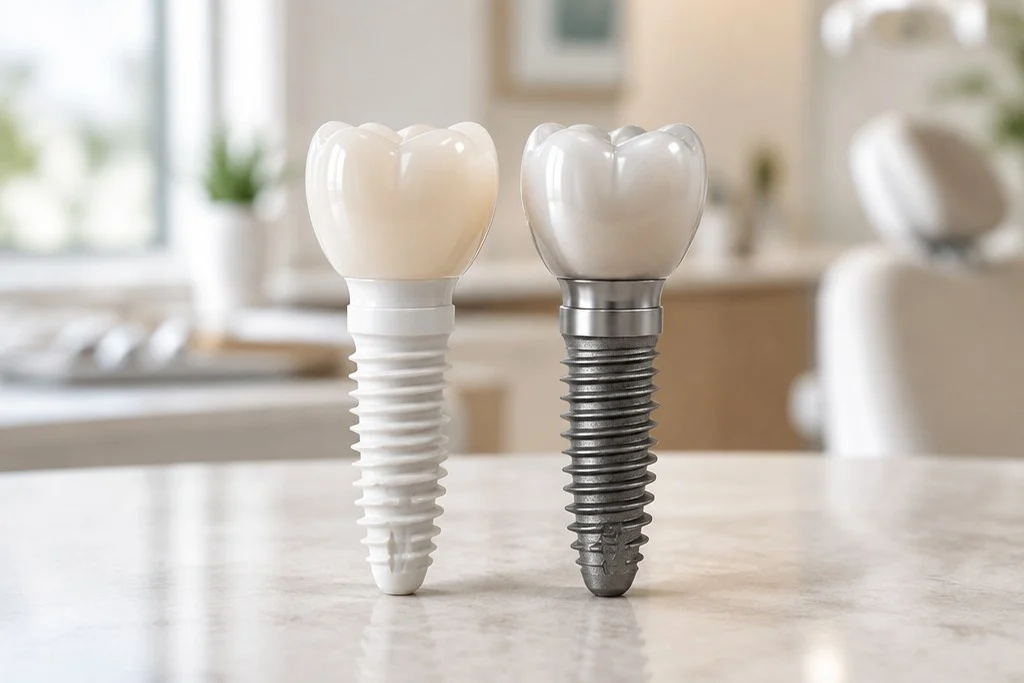
Losing a tooth is common enough, but deciding what goes in its place is where people slow down. If the idea of a metal post in the jaw bothers you, zirconia dental implants are worth understanding properly before your consultation, not just as a phrase you saw on a website.
What a zirconia dental implant is
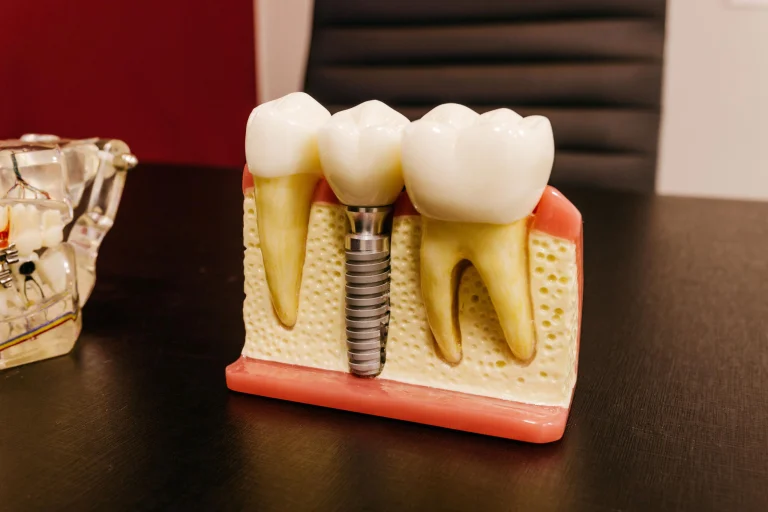
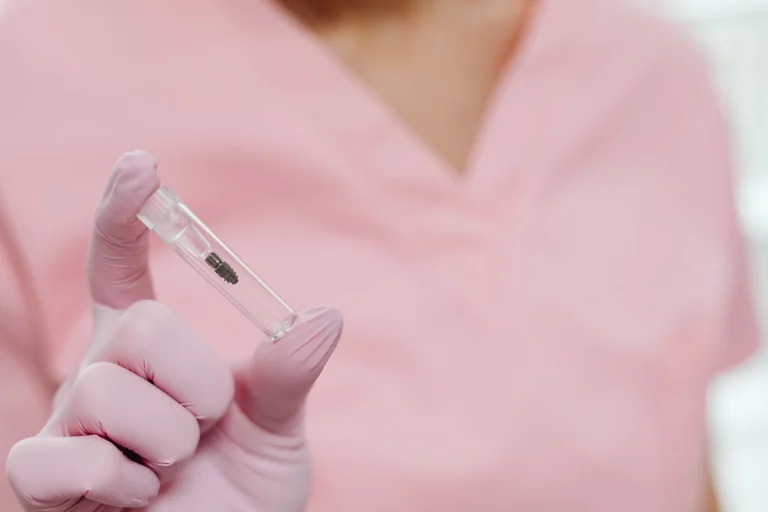
A dental implant, whatever it's made of, is a small post placed in the jawbone to act as an artificial tooth root. Once it heals, it holds the new tooth on top. Dr. Steven W. Haywood, DDS offers two implant materials: titanium and ceramic, also called zirconia. Titanium is described as the most common and most successful implant material. Ceramic and zirconia implants are offered as the holistic implant choice for patients who would rather avoid metal.
General research on implant materials, separate from anything specific to this practice, notes that zirconia implants come in one-piece and two-piece designs, and that bone bonds to zirconia about as well as it bonds to titanium. Zirconia is also white all the way through, so no gray shadow shows through thin gums the way it sometimes can with a metal post, which is part of why a zirconia implant can look more natural at the gumline.
Zirconia versus titanium: how the materials compare
Titanium has been used in implants longer than zirconia, and the practice describes it as biocompatible and as fusing well with bone. That long track record is a real point in its favor. Zirconia, a ceramic material, is the newer option by comparison, but it isn't experimental: general research on implant materials reports high survival for zirconia implants over 5 to 10 years, broadly comparable to titanium, though titanium still has decades more long-term research behind it.
One difference worth knowing: zirconia is a ceramic and doesn't conduct electricity the way a metal post does, and it doesn't corrode the way metal can. Titanium implants can release tiny particles and ions into nearby tissue, though how much that matters to a patient's health is still debated among researchers. None of this makes one material unsafe, but it's the kind of detail that matters if a metal-free mouth is genuinely a priority for you.
Why some patients choose the metal-free option
For some patients this comes down to preference: they'd simply rather not have metal in their mouth long-term. Ceramic and zirconia implants are offered as the holistic implant of choice for exactly that reason. Holistic dentistry at the practice includes testing dental materials for biocompatibility before they're used, which is part of how the practice approaches material choice generally, not something added on for implants alone.
A holistic dentist chooses dental materials and treatments with the patient's whole body in mind. Holistic dentistry is also called biological dentistry, and the two describe the same approach: weighing every material and protocol for biocompatibility, looking for the root cause of dental issues, and favoring minimally invasive treatment where it's a reasonable option. Restorations at the practice use non-toxic, metal-free and biocompatible materials, and patients who are planning dental implants and want metal-free options are among those the practice says benefit most from this approach.
Are zirconia implants any good?
This is the question behind most of the searching people do before they call. The honest answer sits in two parts. As a material, zirconia has research behind it: studies suggest less plaque buildup on zirconia than on titanium, and studies, mostly laboratory-based, suggest bacteria stick less to zirconia surfaces too. Neither finding is a promise of fewer infections, but they're part of why zirconia has a reasonable case as an implant material, not just a marketing label.
As a choice for a specific mouth, though, it depends on the case. Dr. Steven W. Haywood, DDS can explain which implant material suits a patient's mouth and priorities, and the practice's holistic dentistry page covers the wider approach behind that judgment.
The trade-offs: what zirconia implants ask of you
There are two real trade-offs, and they're worth being plain about. First, cost: ceramic and zirconia implants cost more than titanium implants, consistently, across every page the practice publishes on the subject. Second, track record: titanium is still described as the most common and most successful implant material, largely because it has been used and studied for longer. Two-piece zirconia designs, in particular, are newer than one-piece ones, so there's simply less long-term data behind some zirconia systems than behind titanium as a whole.
Neither of those is a reason to rule zirconia out. They're the two things to weigh against wanting a metal-free implant, and they're worth raising directly at a consultation.
How long do zirconia implants last?
Current thinking on implants generally is that they may last a lifetime, since they don't decay and seem far less affected by gum disease than natural teeth. That's a statement about implants as a category, not a guarantee, and it applies once an implant has healed properly. Implants that heal well over the first 6 to 12 weeks after placement are considered to have lifetime potential, as long as they're looked after afterward.
General research specifically on zirconia implants reports high survival over 5 to 10 years of follow-up, broadly comparable to titanium over that period, though titanium has been tracked for longer overall simply because it's been in use longer. The honest position is that zirconia looks like a durable material on the evidence so far, while titanium has more years of evidence behind it.
What a zirconia implant costs
Neither titanium nor zirconia implants are priced as a flat number here, and that's deliberate rather than evasive: the fee depends on details an exam and a scan reveal, things like bone volume, how many implants a case needs, and what they'll hold. What can be said plainly is that ceramic and zirconia implants cost more than titanium implants. Beyond that, a real number only comes after the practice has actually looked at your mouth. You can read more about how implant costs are worked out before your visit, and about what to expect from implant surgery once a plan is set.
Finding out if a zirconia implant suits you
Zirconia is a real, researched implant material, not a marketing term, and the practice already treats material choice, including metal-free choice, as a normal part of planning implant treatment. Whether it's the right call for your mouth depends on things a consultation can actually assess: your bone, your gums, and what matters most to you.
Dr. Haywood sees patients from Timonium and from Towson, Hunt Valley, Baltimore and Shrewsbury, PA, and every phase of implant care happens in one office. If you're missing a tooth and want to talk through whether a zirconia implant fits your case, you can compare titanium and ceramic materials or read about replacing a single missing tooth. When you're ready, book an appointment or call (410) 453-9399 to set up a consultation.
Ready to see your future smile?
Contact our Timonium dental office today to schedule your consultation.