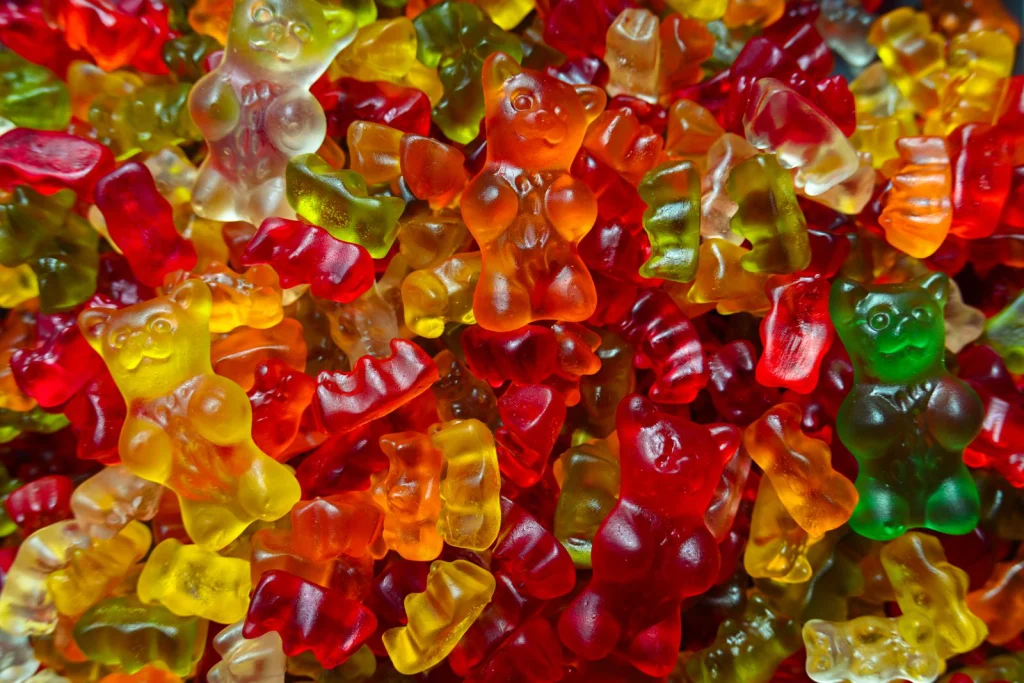
If gummy bears make your teeth hurt, your teeth are telling you something. A sharp, quick zing when sugar touches a tooth usually means the sugar is reaching a sensitive spot: a cavity, a crack, worn tooth enamel, or a root surface exposed by receding gums. A dull ache after chewing something sticky can point to a loose filling or a tired jaw. It is common, but it is not something to ignore.
Here is why gummy bears and other sticky sweets can hurt, what the pain might mean, and what the Timonium office of Dr. Steven W. Haywood, DDS can do about it.
Why do gummy bears hurt my teeth?
Sugar reaching exposed dentin
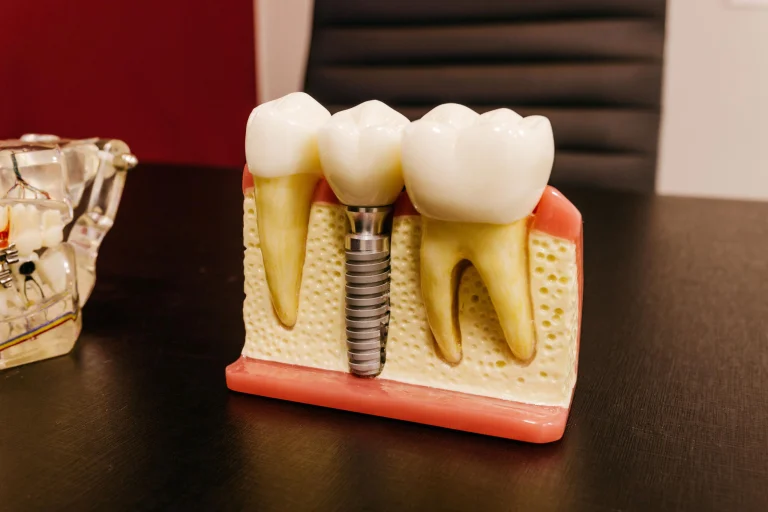
Under the hard outer enamel of each tooth is a softer layer called dentin, which is full of tiny channels leading toward the nerve. When enamel wears thin or gums recede, those channels are exposed. Concentrated sugar can set off a sharp, short sensation through them, which is why sweets can hurt sensitive teeth.
A cavity you didn’t know about
Pain when you eat sweets is one of the classic signs of tooth decay. A cavity is a hole through the enamel, and sugar that gets into it can reach the dentin directly. Early decay often causes no pain at all, so a zing from candy may be the first clue something is wrong.
A cracked tooth or a leaking filling
Tiny cracks in a tooth, or a gap at the edge of an old filling, can let sugar in and cause a sting. Discomfort in a tooth that already has a filling is often caused by tiny cracks in the chewing surface.
Receding gums
When gums pull back, the root surface of the tooth is exposed. Roots are not covered by enamel, so they are more sensitive and more vulnerable to decay. Receding gums can also be a sign of gum disease.
Why sticky candy is especially hard on teeth
It stays on your teeth
Gummy candy packs into the grooves of back teeth and between teeth, where saliva can’t easily wash it away. The bacteria in plaque turn that sugar into acid, and the longer the sugar stays, the longer the acid attack lasts.
Sour gummies add acid
Sour coatings are acidic on their own, so sour gummy candy can soften enamel directly, on top of the acid bacteria make from the sugar.
It tugs on dental work
Sticky sweets can pull at fillings, crowns and temporary restorations. After a root canal, sticky and hard foods should be avoided until the permanent crown is placed, because a temporary is not built for that kind of pull.
It works your jaw hard
Chewing a mouthful of very chewy candy takes real effort from the jaw muscles and joints. If you already have jaw tenderness, clicking or headaches, heavy chewing can make it worse. Jaw tenderness and frequent head or neck aches can be signs of a TMJ disorder. Read about TMJ treatment or whether an overbite or bad bite can cause headaches.
What your tooth pain might mean
- A sharp zing that fades quickly with sweets or cold: often sensitivity from exposed dentin, or an early cavity.
- Pain in the same tooth every time: a cavity, crack or failing filling is more likely. Have that tooth checked.
- Pain when you bite down: possibly a cracked tooth or a problem with a filling.
- A throbbing ache that lingers, or tooth pain with swelling: the nerve may be inflamed or infected. Call the office promptly.
- A sore jaw or clicking after chewing: may be jaw joint or muscle strain rather than the teeth.
Only an exam can tell which of these is behind your pain.
How the problem is found and fixed
Finding the cause
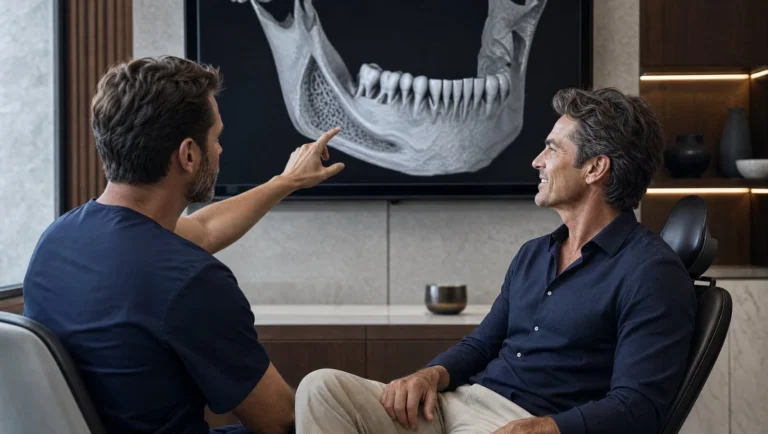
Digital X-rays help reveal decay and infection, and they appear on screen right away so you can see what Dr. Haywood sees. DIAGNOdent laser detection can find decay at its earliest stages, sometimes before it shows on an X-ray, and intraoral cameras zoom in on cracks and worn fillings. See dental technology.
Treating a cavity
A cavity caught early usually needs only a filling. The practice never uses amalgam: fillings are tooth-colored composite, matched to your teeth and bonded in place. Air abrasion can remove small areas of decay quickly and quietly, with no heat, pressure or vibration. See mercury-free dentistry.
A cracked or heavily filled tooth
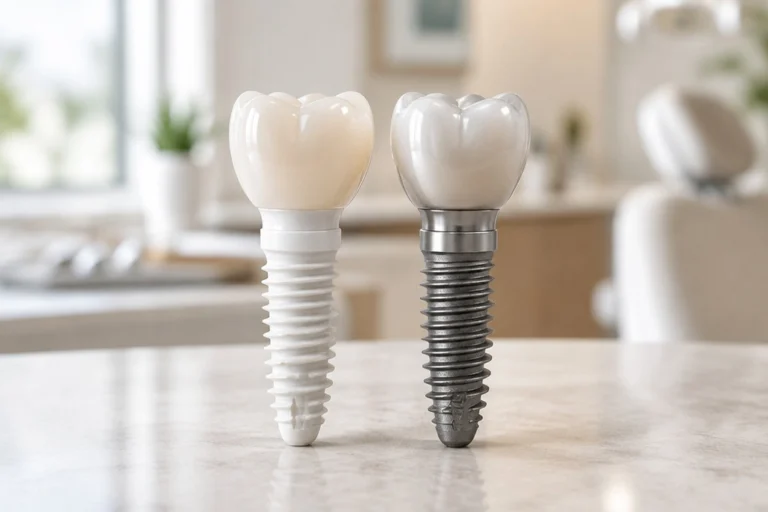
When only part of a tooth is damaged, a bonded inlay or onlay can restore its strength while keeping more healthy tooth structure than a crown would. Covering a cracked, filled tooth with a crown can relieve the pain and restore full function.
A deeper problem
If decay has reached the pulp inside the tooth, root canal therapy removes the cause of the pain and can save the tooth, which is then protected with a porcelain crown. See root canals.
Receding or bleeding gums
If gum disease is part of the picture, non-surgical treatment removes the bacteria beneath the gums that drive the infection, with a plan personalized to you.
How to enjoy sweets with less damage
You don’t have to give up candy forever. A few habits make a real difference:
- Have sweets with a meal rather than snacking on them through the day.
- Choose treats that clear quickly over gummies, taffy and caramels that cling to teeth.
- Rinse with water right after eating sticky or sour candy.
- Wait a while before brushing after sour candy, so you are not brushing acid-softened enamel.
- Clean between your teeth every day to clear sugar trapped where your brush can’t reach.
- Try xylitol. The practice offers xylitol mints and lollipops, which help reduce decay risk.
Protective care helps too. Super sealants seal the grooves on chewing surfaces where sticky candy collects, with a lifetime warranty. For anyone who prefers to avoid fluoride, calcium rebuilding treatments help strengthen enamel. See cleanings and prevention, and for families, how to prevent cavities in children.
When to see a dentist about teeth that hurt
Book a visit if sweets hurt the same tooth more than once, if sensitivity lasts, or if you notice a hole, a dark spot or a broken filling. Call the office promptly for a throbbing toothache or swelling, early in the day if you can. Regular checkups and cleanings every six months help catch decay before it hurts; read the case for preventive dentistry and see general dentistry in Timonium.
Paying for care
The practice is out of network with all dental insurance companies: you pay at the time of your visit, and the office files the claim on your behalf so your plan can reimburse you for what it covers. Health savings and flex plans are welcome, and financing is available through CareCredit, with no-interest options for up to 12 months, and Cherry, with payment plans from 3 to 24 months. See financing options.
Frequently asked questions
Is it normal for gummies to hurt my teeth?
It is common, but a healthy tooth shouldn’t hurt from candy. Pain from sweets usually means sugar is reaching a sensitive spot, such as a cavity, a crack or an exposed root, so have it checked.
Are gummy bears bad for your teeth?
They are among the harder sweets on teeth, because they are sugary and stick in the grooves and between teeth. Enjoy them with a meal and rinse with water afterward.
Can gummy candy pull out a filling or crown?
Sticky candy can tug at dental work, especially older fillings and temporary crowns. If something comes loose or falls out, call the office.
What candy is hardest on your teeth?
Sticky, chewy and sour candies tend to be hardest on teeth, because they cling to teeth and, in the case of sour candy, add acid. Sugar-free options sweetened with xylitol are a gentler choice.
Why do sweets hurt one tooth but not the others?
Pain in a single tooth points to something specific about that tooth, such as a cavity, a crack or a leaking filling. An exam and X-rays can find the cause.
Get your sensitive tooth checked in Timonium
If gummy bears, or any sweets, are making your teeth hurt, find out why before a small problem grows. Request an appointment or call (410) 453-9399. The office of Dr. Steven W. Haywood, DDS is at 108 W Timonium Rd, Ste 200, Timonium, MD 21093. For more everyday tips, visit the blog.
Ready to see your future smile?
Sweets making a tooth hurt? Get it checked by Dr. Haywood in Timonium.