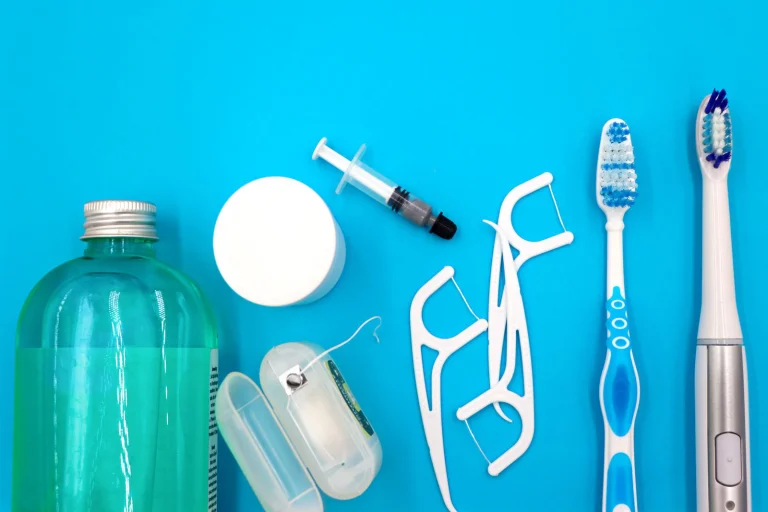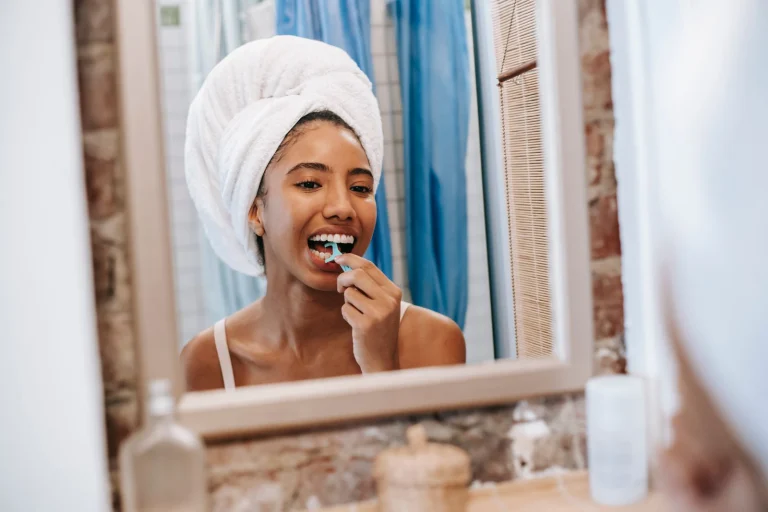
More foam doesn’t mean cleaner teeth. The foam in toothpaste comes from a foaming agent that helps spread the paste around your mouth, but the actual cleaning is done by your toothbrush moving gently over every surface. In fact, a mouthful of foam can make you want to spit and stop before you’ve finished. If you are brushing right, it doesn’t matter much whether your toothpaste foams a lot, a little or hardly at all: what matters is a soft brush, gentle strokes aimed at the gumline, and enough time to reach every tooth.
This guide from the Timonium office of Dr. Steven W. Haywood, DDS explains where toothpaste foam comes from, how much toothpaste you really need, what to know about foam-free pastes, and how to check that your brushing is doing its job.
Where toothpaste foam comes from
Most toothpastes contain a detergent, a foaming agent that creates bubbles when it mixes with water and saliva. Sodium lauryl sulfate is one of the most common. The foam helps the paste spread across your teeth and gives your mouth that “just brushed” feeling.
What foam doesn’t do is lift plaque on its own. Plaque is a sticky film of bacteria, and it comes off when bristles physically sweep it away. That is why brushing with very little foam can clean well, and brushing with lots of foam can still leave plaque behind if you rush.
Why too much foam can cut your brushing short
A big lather has a few drawbacks that people rarely think about:
- It fills your mouth quickly, which creates an urge to spit and rinse before you’ve reached every tooth.
- It hides what you are doing. With a mouthful of foam, it is hard to see or feel whether you’ve brushed the gumline and the back teeth.
- It can make brushing messy, which some people, especially children, find unpleasant enough to hurry through.
- It can feel like a finish line. Many people stop when their mouth feels foamy and fresh, not when the job is done.
If you notice you spit several times while brushing, try using less toothpaste and leaning over the sink so you can keep going.
How much toothpaste do you need?
Far less than the ads show. For adults, a pea-sized amount is usually enough to cover every tooth. A long stripe across the whole brush head mostly adds foam, not cleaning power. Children need even less, and they should be supervised so they spit out toothpaste rather than swallow it. If you have questions about toothpaste for your child, ask at your family’s next visit.
Wet or dry toothbrush?
People have strong opinions about this, and there is no single right answer. Wetting the brush softens the bristles and helps toothpaste foam sooner. Brushing with a dry brush can reduce the lather, which some people find lets them brush longer before they need to spit. Choose whichever helps you brush thoroughly and gently.
Foam-free and SLS-free toothpaste: who might consider it
Some toothpastes are made without sodium lauryl sulfate or with gentler foaming agents, so they produce little foam. They can be a good option if:
- You get mouth sores often. Some people who are prone to canker sores find their mouth is more comfortable with an SLS-free toothpaste. Read 5 tips for treating mouth sores at home.
- Your mouth is dry or sensitive. A milder paste may feel more comfortable. Read why dry mouth is dangerous for your teeth.
- You simply dislike the lather. If less foam means you brush longer and more calmly, that is a win.
Low-foam pastes can feel less “clean” at first, simply because you’re used to bubbles. Give it a week or two, and judge by how smooth your teeth feel and how your gums respond, not by the foam.
Are you brushing right? A foam-proof technique
- Use a soft-bristled brush. Hard bristles and heavy pressure can wear enamel and push gums back. Read smart brushing beats aggressive brushing.
- Use a pea-sized amount of toothpaste.
- Tilt the bristles toward the gumline, where plaque collects.
- Use small, gentle strokes, a tooth or two at a time, rather than long scrubbing sweeps.
- Follow the same path every time, so no section gets skipped.
- Cover every surface: outside, inside and chewing surfaces, plus the back of your last molars.
- Take about two minutes, twice a day, even if the foam makes you want to stop sooner.
- Clean between your teeth once a day, because no toothpaste or brush reaches where teeth touch. Read 5 ways to floss daily, even on busy days.
For the places people miss most often, read 3 tips to make brushing count: the spots you miss.
Spit, rinse or neither?
Advice on rinsing after brushing varies. Some guidance suggests spitting out the excess without rinsing so toothpaste ingredients stay on the teeth longer, and whether that matters depends on what your toothpaste contains. Others prefer a quick rinse, especially with a low-foam or natural paste. Many toothpastes contain fluoride, and fluoride-free versions are widely available. The practice avoids fluoride and offers calcium rebuilding treatments instead to help strengthen enamel, so if you are unsure what to do with your own toothpaste, ask at your visit.
Toothpaste ingredients worth knowing
- Foaming agents create the lather. They don’t make the paste clean better.
- Abrasives help polish away surface stains. Whitening pastes may be more abrasive, which is worth considering if your teeth are sensitive or your enamel is worn.
- Desensitizing ingredients are added to pastes for sensitive teeth.
- Enamel-support ingredients vary, and some pastes are made with calcium-based ingredients.
- Sweeteners and flavors make the paste pleasant to use. Some use xylitol.
For more on rinses, gels and specialty pastes, read daily oral care solutions: rinses, gels and toothpastes.
How the practice checks your brushing
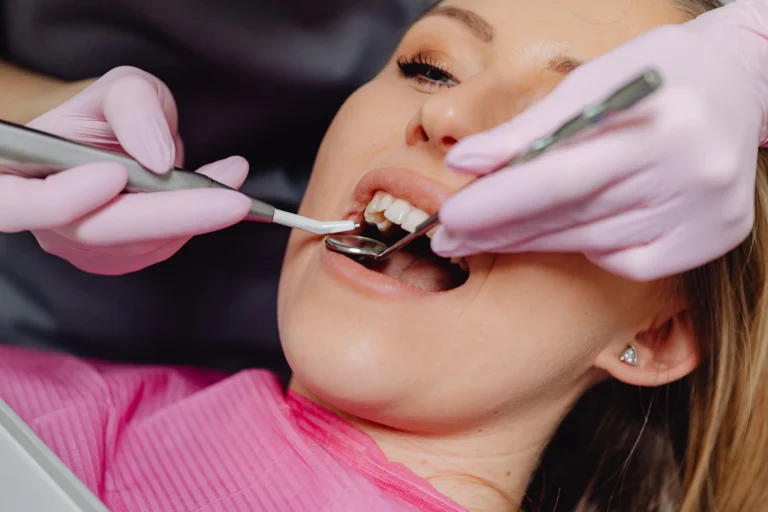
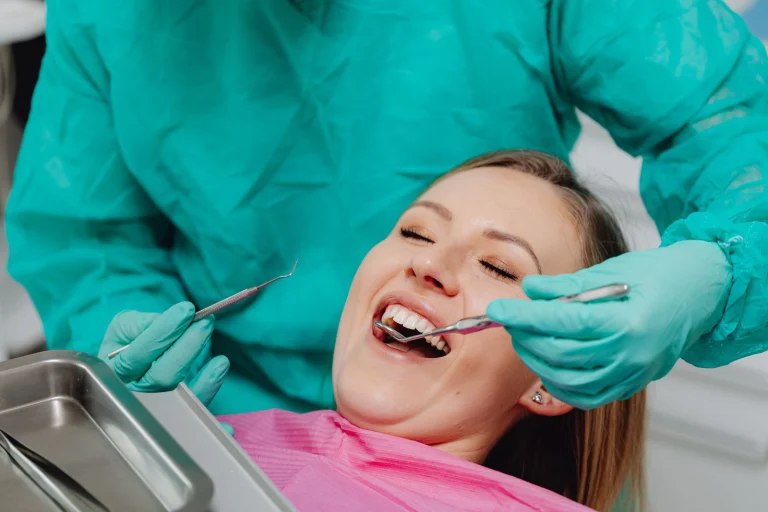
The surest way to know you’re brushing right is to have someone look. At a check-up, intraoral cameras zoom in on each section of your mouth, so you can see where plaque or tartar is building up and which areas your brush keeps missing. Cleaning appointments last a full 60 minutes, which gives your hygienist time to remove plaque and tartar thoroughly, check your gums and show you what to change. A professional cleaning every six months is recommended.
See dental cleanings and preventive care, dental technology and general dentistry in Timonium.
Paying for your visit
The practice is out of network with all dental insurance providers. You pay at the time of your visit, and the office files the claim on your behalf so your plan can reimburse you for whatever it covers. Health savings and flex plans are welcome, and financing is available through CareCredit, with no-interest options for up to 12 months, and Cherry, with plans from 3 to 24 months. See financing options.
Frequently asked questions
Does more foam mean my teeth are cleaner?
No. Foam comes from a foaming agent and helps spread the paste, but plaque is removed by the brush. Thorough, gentle brushing matters far more than how much your toothpaste lathers.
Is sodium lauryl sulfate in toothpaste bad for you?
It is a common ingredient, and many people use it without any problem. Some people who get canker sores often, or who have a dry or sensitive mouth, prefer SLS-free toothpaste because it feels more comfortable.
Should I wet my toothbrush before adding toothpaste?
It is personal preference. Wetting softens the bristles and makes toothpaste foam sooner. A dry brush can mean less foam, which may help you brush longer before spitting.
Why do I want to spit so often while brushing?
Usually because of too much toothpaste or a very foamy paste. Try a pea-sized amount, lean over the sink, or switch to a low-foam toothpaste so you can brush for the full time.
Find out if you’re brushing right in Timonium
A cleaning and check-up can show exactly where your brushing is working and where it isn’t. Request an appointment or call (410) 453-9399. The office of Dr. Steven W. Haywood, DDS is at 108 W Timonium Rd, Ste 200, Timonium, MD 21093, serving Timonium, Lutherville, Cockeysville, Towson and Hunt Valley. New patients are always welcome.
Ready to see your future smile?
See where your brushing is working. Book a cleaning in Timonium.