If your child hasn’t visited a dentist yet, or it has been longer than you meant it to be, the first step is simply a phone call. Family dentistry is part of the practice of Dr. Steven W. Haywood, DDS in Timonium, so children can be seen in the same office as the rest of the family. The team can talk through your child’s age and needs when you call, and a parent or legal guardian comes along to any consultation for a patient under 18.
This guide covers why children’s teeth need a dentist even when nothing seems wrong, signs your child should be seen soon, how to prepare, what the visit involves and the protection a family practice can add to your efforts at home.
Why children’s teeth need a dentist, even baby teeth
It is tempting to think baby teeth don’t matter much because they fall out. In fact, they do real work for years. They help children chew a healthy range of foods, they play a part in clear speech, and they hold space for the permanent teeth growing beneath them. A decayed baby tooth can also hurt, just as an adult tooth can, and a child in pain may eat poorly, sleep badly or struggle to concentrate at school.
Healthy teeth also affect how children feel about themselves. A child who is comfortable smiling and talking tends to show it. Regular visits help keep small problems small, and they let children get used to a dental office before they ever need treatment.
Signs your child should see a dentist soon
You don’t need a reason beyond “it’s time” to book a visit. But call sooner if you notice any of these:
- Your child has never had a dental visit, or the last one was a long time ago
- White, brown or dark spots on the teeth
- Complaints of pain when eating sweets, or when drinking something cold
- Gums that bleed, look swollen or seem sore
- Grinding sounds at night, or teeth that look worn
- Permanent teeth coming in crowded or crooked
- A fall or sports injury that chipped, loosened or knocked out a tooth
If a tooth is knocked out, put the tooth in milk and call the office, or any dentist, immediately. Time is of the essence, and a knocked-out tooth can be saved if the patient is seen quickly enough. Read the parent’s guide to kids’ dental emergencies.
Before you book: what to have ready
A quick call about your child’s needs
Every child is different. When you call (410) 453-9399, let the team know your child’s age, whether this is a first visit, and anything you’ve noticed or are worried about. That helps the office plan the right kind of appointment.
Forms and health history
New patient forms can be completed online at forms.flossem.com before the visit, which saves time in the office. Have your child’s health history handy, including any medical conditions, allergies and medications.
A parent or legal guardian
A parent or legal guardian must be present during the consultation of a patient under the age of 18. Plan for an adult who can answer health questions and make decisions about care to come along.
Your questions
Write down what you want to ask: brushing and flossing help, snacks and drinks, habits such as thumb-sucking or pacifiers, grinding, or whether teeth are coming in straight. A short list makes sure nothing gets forgotten once you’re in the chair.
Helping your child feel ready
How you talk about the visit matters more than anything else you do beforehand.
- Keep it matter-of-fact. Describe the visit as a check to count teeth and keep them strong. Skip words like “hurt,” “needle” or “drill,” even to reassure.
- Practice at home. Take turns being the dentist with a toothbrush and a mirror. Let your child count your teeth, then count theirs.
- Don’t pass on your own nerves. Children read adults closely. If dental visits make you anxious, try to keep that to yourself for the day.
- Pick a good time. A rested, fed child copes far better than a tired or hungry one.
- Keep the reward simple. A trip to the park afterward works better than a sweet treat.
If your child, or you, find dental visits hard, laughing gas is a safe and effective form of sedation dentistry for patients of all ages. Read about sedation dentistry for kids and parents.
What happens at a child’s dental visit
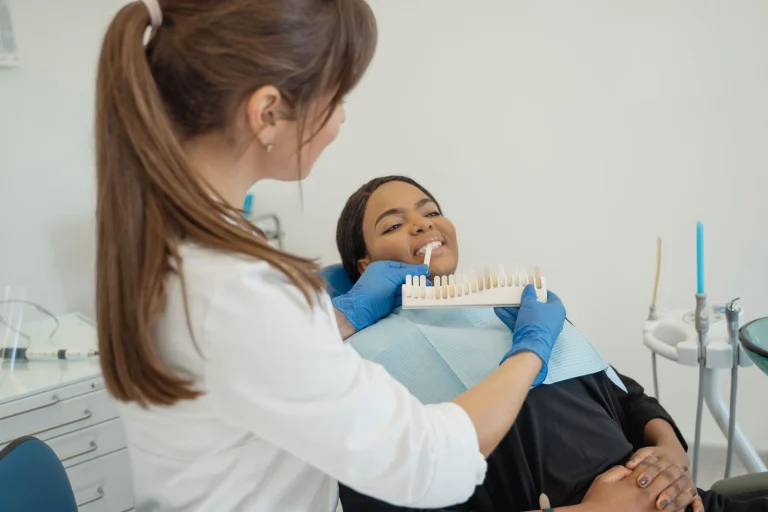
- Getting to know your child. The visit starts with a conversation about your child’s health history, habits at home and any concerns you have.
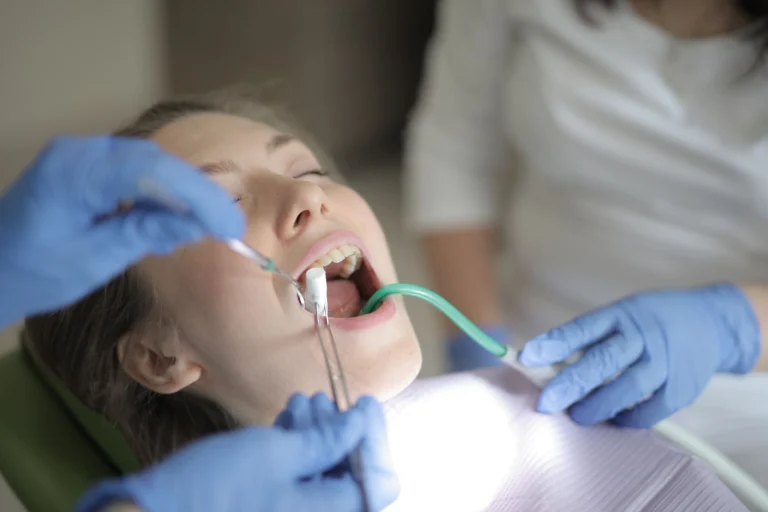
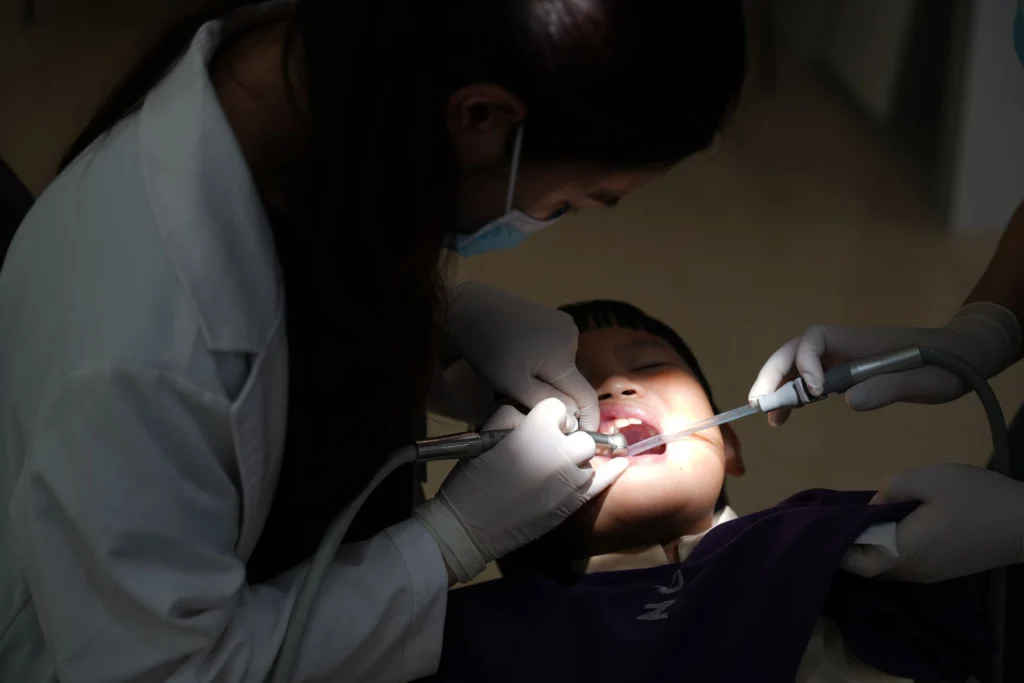
- A look at the teeth and gums. Dr. Haywood checks how the teeth are coming in, looks for early signs of decay and checks the gums and bite.
- X-rays when they’re needed. Dental X-rays help find problems that can’t be seen by looking, such as decay between teeth. The practice uses digital X-rays, which emit less radiation than standard dental X-rays, and the images appear on screen right away so you can see what the team sees.
- Cleaning and advice. Plaque and tartar are removed, and you’ll get practical advice on brushing, flossing and diet for your child’s age.
- A plan for next time. If anything needs attention, the options are explained to you before any treatment begins. A professional cleaning every six months is recommended.
Protection a family dentist can add
Super sealants
Sealants are one of the most useful protections for children’s back teeth. Super sealants completely seal the chewing surfaces and all the pits and fissures of adult and children’s teeth, so bacterial byproducts and simple sugars can’t be harbored there. That helps prevent cavities in the enamel. The process is simple and painless, and the practice offers a lifetime warranty.
Strengthening enamel without fluoride
Many dental offices apply fluoride to children’s teeth. For anyone who prefers to avoid fluoride, the practice offers calcium rebuilding treatments instead, to help strengthen enamel for patients of all ages. Xylitol mints and lollipops also help reduce decay risk. If you are weighing the options for your child, read fluoride treatment for adults and kids and talk it through with Dr. Haywood.
Early detection and gentle repairs
DIAGNOdent laser detection can find decay at its earliest stages, sometimes before it shows on an X-ray. If a cavity is found, fillings are tooth-colored and mercury-free, and a comfortable micro-air filling process is available for people of all ages.
Straightening in the teen years
The best time to consider orthodontics is once the permanent teeth have grown in. Invisalign Teen uses clear aligners designed for teenagers, removable for meals and brushing. Learn about Invisalign Teen.
Family dentist or pediatric dentist?
Pediatric dentistry is a recognized specialty, and some families choose a pediatric specialist, especially for very young children or children with special needs. Other families prefer one practice for everyone, so parents and children share the same office, the same team and the same records. Dr. Haywood’s U.S. Air Force advanced residency included internships in pediatric dentistry, and Dr. Haywood brings over 35 years of experience to the practice. If you are unsure which suits your child, call and ask. For babies and toddlers, read the infant and toddler teeth Q&A.
Keeping it going at home
A dental visit works best alongside good daily habits. These guides go deeper:
- How to prevent cavities in children
- When brushing is a battle: tips for parents
- How to limit sugar for kids without the battle
- Keeping kids smiling through the school years
- Sports mouthguards for kids
Paying for your child’s dental care
The practice is out of network with all dental insurance providers. You pay at the time of your visit, and the office files the claim on your behalf so your plan can reimburse you for whatever it covers. Health savings and flex plans are welcome, and financing is available through CareCredit, with no-interest options for up to 12 months, and Cherry, with plans from 3 to 24 months. See financing options.
Frequently asked questions
Does the practice see children?
Yes. Family dentistry is part of the practice, with checkups, cleanings and gum care, super sealants and Invisalign Teen for teenagers. Call the office to talk about your child’s age and needs.
Can my child be seen without a parent?
No. A parent or legal guardian must be present during the consultation of a patient under the age of 18.
Does the practice use fluoride on children’s teeth?
Only if you want it. For families who prefer to avoid fluoride, the practice offers calcium rebuilding treatments to help strengthen enamel for patients of all ages, along with super sealants and xylitol mints and lollipops.
What if my child already has a toothache?
Call as early in the day as you can. Dental pain rarely gets better on its own, and a toothache with facial swelling needs attention right away.
Book your child’s dental visit in Timonium
Whether it will be your child’s first dental visit or the first in a while, the team will help you get started. Request an appointment or call (410) 453-9399. The office of Dr. Steven W. Haywood, DDS is at 108 W Timonium Rd, Ste 200, Timonium, MD 21093, serving families from Timonium, Lutherville, Cockeysville, Towson and Hunt Valley. Learn more about family and general dentistry and preventive care.
Ready to see your future smile?
Book your child's dental visit at our Timonium family practice.