Good kids dental care starts before the first tooth appears. Wipe your baby’s gums after feedings, brush each tooth gently as it comes in, keep bottles in bed to water only, and plan a first dental visit early, when the first tooth appears or by your child’s first birthday, as pediatric dental organizations advise. Baby teeth fall out eventually, but they help your child chew, speak and hold space for the permanent teeth, so they are worth protecting from the start.
This question-and-answer guide from the Timonium office of Dr. Steven W. Haywood, DDS covers the questions new parents ask most about infant and toddler teeth, from teething and brushing to toothaches, bumps and first visits.
Caring for your baby’s gums and first teeth
When should I start cleaning my baby’s mouth?
Right away. Before any teeth come in, gently wipe your baby’s gums with a clean, damp, soft cloth or gauze after feedings. It clears away milk and gets your baby used to having their mouth cleaned, which makes brushing easier later.
How do I brush a toddler’s teeth?
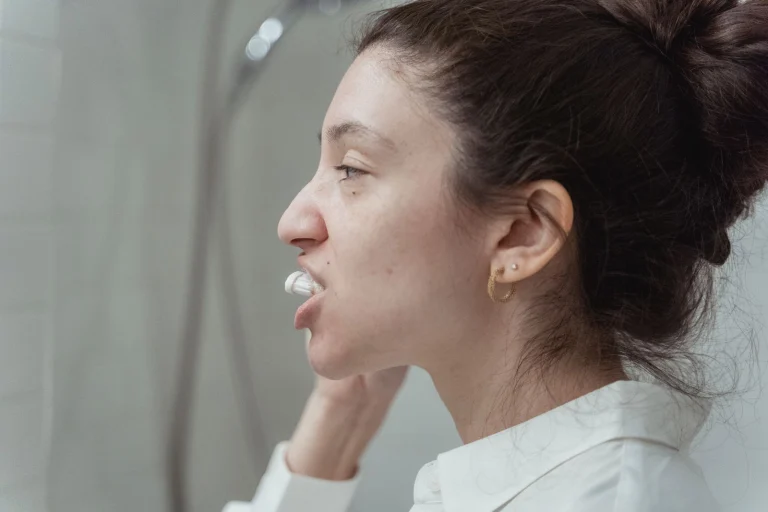
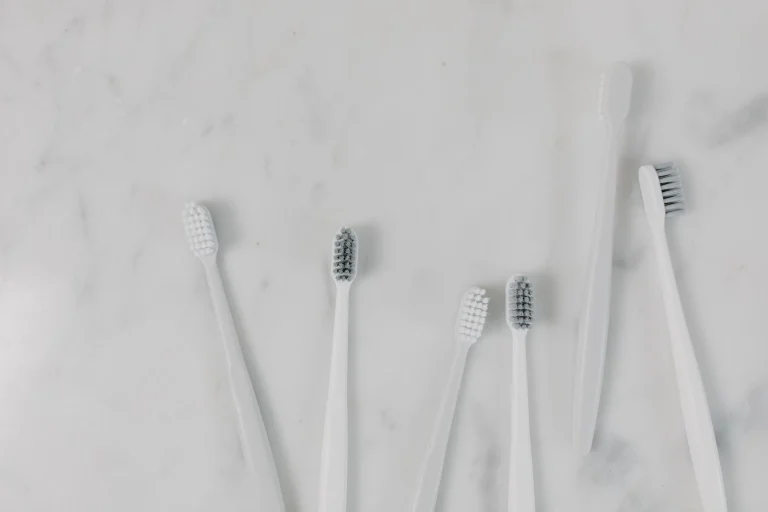
Once teeth appear, use a small, very soft toothbrush made for young children and brush gently twice a day, including the gumline. Toddlers don’t have the coordination to brush well on their own, so a parent should do the brushing, or at least finish the job. Young children tend to swallow toothpaste rather than spit it out, so use only a very small amount, and ask your pediatrician and the dental team which toothpaste suits your child’s age. For anyone who prefers to avoid fluoride, the practice offers calcium rebuilding treatments to help strengthen enamel instead.
What helps with teething?
Teething can make babies fussy and drooly. A clean, chilled teething ring or gently rubbing the gums with a clean finger often helps. Ask your pediatrician before using any medicine or numbing product, and never tie a teether around your baby’s neck.
Habits that protect baby teeth
Is it okay to put my child to bed with a bottle?
Only if the bottle holds water. Milk, formula and juice pool around the teeth during sleep, when saliva slows down, and that sugar gives cavity-causing bacteria hours to work.
How should toddlers drink juice?
If you offer juice, serve it with a meal in a cup rather than letting your child sip it throughout the day. Water is the best everyday drink between meals.
Are pacifiers and thumb sucking a problem?
Sucking is a natural comfort habit for babies and toddlers, and many children stop on their own. If the habit continues as your child gets older, or you notice changes in how the front teeth line up, bring it up at a dental visit or with your pediatrician.
Which snacks are hardest on little teeth?
Sticky snacks such as fruit snacks, gummy candy and dried fruit cling to the grooves of the back teeth, and crackers can do the same. Grazing all day is harder on teeth than snacks at set times. A fresh apple is kinder to teeth than a pack of fruit snacks. For more, see how to prevent cavities in children and why gummy bears hurt teeth.
First dental visits
When should my child first see a dentist?
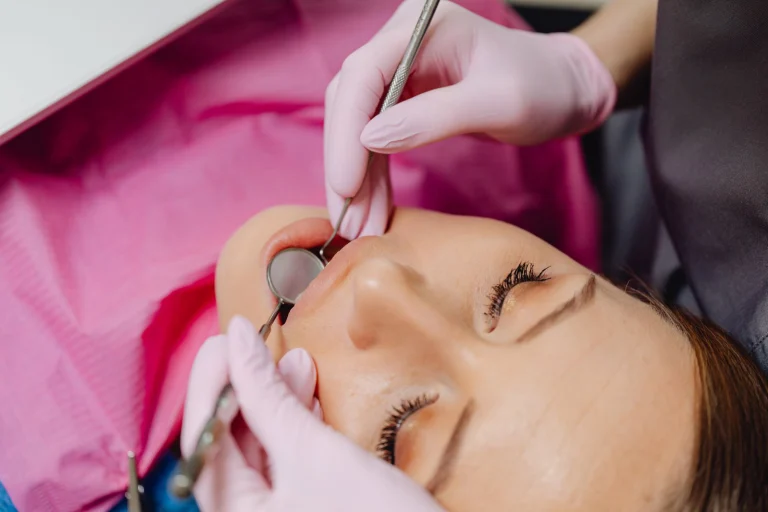
Pediatric dental organizations advise a first dental visit when the first tooth appears or by a child’s first birthday. An early visit is less about treatment and more about checking that teeth are coming in well, answering your questions and helping your child get comfortable with a dental office from a young age. Call the office to talk about your child’s age and needs.
How can I make a first visit easier?
- Talk about the visit in a simple, positive way, without words like “hurt” or “shot.”
- Choose a time of day when your child is usually rested and fed.
- Let your child see you brush and floss every day, so teeth care feels normal.
- Bring a favorite comfort toy.
Are dental X-rays safe for young children?
Dental X-rays help find problems that can’t be seen by looking, such as decay between teeth. The practice uses digital X-rays, which emit less radiation than standard dental X-rays, and images appear on screen right away so you can see what the team sees. Learn more about the office’s dental technology.
Common worries about toddler teeth
My toddler’s baby teeth have gaps. Is that a problem?
Usually not. Spaces between baby teeth are normal and leave room for the larger permanent teeth that come later. Gaps in baby teeth do not necessarily mean the permanent teeth will be spaced apart.
What should I do if my toddler has a toothache?
Call the dental office. Meanwhile, gently rinse your child’s mouth with warm water and check for food stuck between teeth. A cold compress on the outside of the cheek can ease swelling. Never put aspirin directly on a tooth or gum, and ask your pediatrician about pain relief. Swelling of the face with tooth pain needs a call right away.
What if my child knocks out or chips a tooth?
Call right away. A knocked-out baby tooth is usually not put back in, but the mouth should still be checked. If a permanent tooth is knocked out in an older child, put the tooth in milk and call immediately, because a knocked-out tooth can be saved if it is seen quickly enough. Knocked-out teeth can be treated for patients of any age, and cuts from the injury can be stitched. See emergency dental care.
Do you need a pediatric dentist in Timonium, MD?
Pediatric dentistry is a recognized dental specialty focused on children, and some families choose a pediatric specialist, especially for very young children or children with special needs. Other families prefer one practice for everyone. Family dentistry is part of Dr. Haywood’s practice, and Dr. Haywood’s U.S. Air Force advanced residency included an internship in pediatric dentistry. If you are deciding, call the office to talk about your child’s age and what care they need. The article what are the 12 dental specialties? explains how specialists and general dentists differ.
Kids dental care as your child grows
- Super sealants seal the pits and fissures on the chewing surfaces of children’s teeth so sugars and bacterial byproducts can’t be harbored there. The process is simple and painless, with a lifetime warranty.
- Calcium rebuilding treatments help strengthen enamel for patients of all ages, and xylitol mints and lollipops help reduce decay risk.
- Gentle fillings. If a cavity does form, a comfortable micro-air filling process is available for people of all ages, with tooth-colored, mercury-free fillings.
- Straightening for teens. Once the permanent teeth have grown in, Invisalign Teen is an option for straightening.
A parent or legal guardian must be present during the consultation of any patient under the age of 18. See dental cleanings and preventive care and new patient information. And while you are looking after your child’s smile, remember your own: parents can explore cosmetic dentistry in Timonium and general care in the same office.
Paying for your family’s dental care
The practice is out of network with insurance companies: you pay at the time of service, and the office files the claim on your behalf so your plan can reimburse you for anything it covers. Health savings and flex plans are welcome. Financing is available through CareCredit, with no-interest options for up to 12 months, and Cherry, with plans from 3 to 24 months.
Frequently asked questions
Does a parent need to come to my child’s appointment?
Yes. A parent or legal guardian must be present during the consultation of a patient under the age of 18.
Does the practice use fluoride for children?
For anyone who prefers to avoid fluoride, the practice offers calcium rebuilding treatments to help strengthen enamel instead. Talk with your pediatrician and the team about what is right for your child.
Is laughing gas safe for children?
Laughing gas is a safe and effective form of sedation dentistry for patients of all ages, and it is offered as a complimentary service.
Do baby teeth really need fillings if they fall out anyway?
Decay in baby teeth can cause pain and infection and affect chewing and speech, and baby teeth hold space for permanent teeth. It is worth treating, and better still, preventing.
Call about kids dental care in Timonium
Have a question about your baby’s or toddler’s teeth? Request an appointment or call (410) 453-9399. The office of Dr. Steven W. Haywood, DDS is at 108 W Timonium Rd, Ste 200, Timonium, MD 21093, serving families from Timonium, Towson, Hunt Valley and Baltimore.
Ready to see your future smile?
Call the Timonium office with questions about your baby's or toddler's teeth.