
A mouthguard is one of the simplest ways to protect a child’s teeth, lips and tongue during sports. If your child plays a contact sport, or any activity with falls, sticks, balls or collisions, a well-fitting guard should be part of the gear, at practices as well as games. The best mouthguard is one that fits comfortably enough that your child actually keeps it in.
Here is a parent’s guide to choosing a mouthguard for kids in Timonium, MD: which activities call for one, the three main types, how to tell if it fits, when a growing child needs a new one, and what to do if a tooth is chipped or knocked out anyway.
Why kids need a mouthguard for sports
Children and teens are active, fast and still learning to control their bodies, and their front teeth take the brunt of many falls and collisions. A blow to the mouth can chip or crack a tooth, loosen it, or knock it out entirely, and it can cut the lips, cheeks and tongue.
A mouthguard spreads the force of an impact and puts a soft layer between the teeth and the lips and cheeks. It won’t prevent every injury, but it makes many of them less likely or less severe. Treating a broken front tooth takes time and repeat visits, and a mouthguard costs far less effort than that.
Which activities call for a mouthguard?
Think about any activity where your child could take a hit to the face or fall hard:
- Contact and collision sports, such as football, lacrosse, ice hockey, wrestling and martial arts
- Sports with a ball, stick or puck moving fast, such as baseball, softball, field hockey and soccer
- Sports with frequent bumps and elbows, such as basketball
- Activities with falls, such as skateboarding, biking, skiing, snowboarding, gymnastics and ice skating
If a league requires a guard for games, it is worth wearing one at practice too, since injuries happen there as well.
The three main types of mouthguards
Stock mouthguards
Stock guards come ready to wear from a sporting goods store. They are inexpensive and easy to find, but because they aren’t shaped to your child’s teeth, they tend to feel bulky and loose. A guard that falls out or makes talking and breathing hard often ends up in a gym bag instead of a mouth.
Boil-and-bite mouthguards
These are softened in hot water and then shaped by biting into them. They usually fit better than stock guards, but the fit depends on how carefully they are molded, and they can be thin in the places that matter or too thick in others. Follow the package instructions closely, and an adult should handle the hot water.
Custom-fitted mouthguards
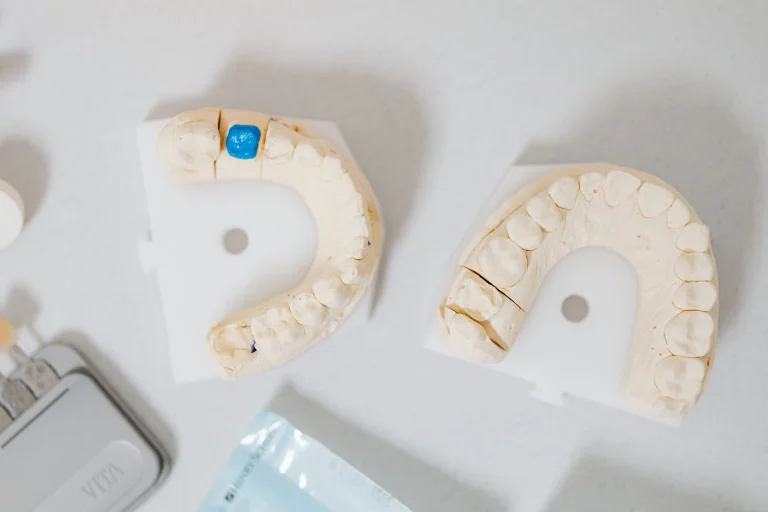
A custom-fitted guard is made from a model of your child’s own teeth. It generally offers the closest, most comfortable fit and makes it easier to breathe and speak while wearing it, which helps kids keep it in. Because children’s mouths change as teeth come in, a custom guard may need to be replaced as your child grows. Ask at your child’s next checkup which type makes sense for your child’s age, teeth and sport.
What a good fit feels like
- It stays in place without your child having to clench or hold it with the tongue.
- It covers the upper teeth, including the back teeth, without gagging.
- Your child can breathe and speak reasonably clearly.
- It doesn’t rub sore spots on the gums or cheeks.
- It isn’t cut down, chewed through or torn.
Kids often chew on the edges of a guard that doesn’t fit well. If you see bite marks worn through, the guard is no longer protecting the way it should.
Growing mouths: when to replace a mouthguard
A child’s mouth doesn’t stay the same for long. Baby teeth loosen and fall out, permanent teeth come in, and the jaw grows. A guard that fit in the fall may be tight or loose by spring. Check the fit at the start of each season, and replace the guard when:
- New teeth have come in or baby teeth have fallen out
- Your child starts braces or other orthodontic treatment
- The guard is torn, thin, chewed or no longer holds its shape
- Your child says it hurts or keeps falling out
Mouthguards with braces or clear aligners
Braces add brackets and wires that can cut the lips and cheeks in a fall, so a guard that fits over them matters. Teens straightening their teeth with Invisalign Teen wear clear, removable aligners, and it is worth asking Dr. Haywood what to wear during sports so the aligners and teeth both stay protected. Either way, bring up your child’s sports schedule when treatment is planned.
How to care for a mouthguard
- Rinse it with cool water after each use, and brush it gently with a toothbrush.
- Let it air-dry, then store it in a ventilated case.
- Keep it out of hot cars and direct sun, which can warp it.
- Don’t share mouthguards between teammates or siblings.
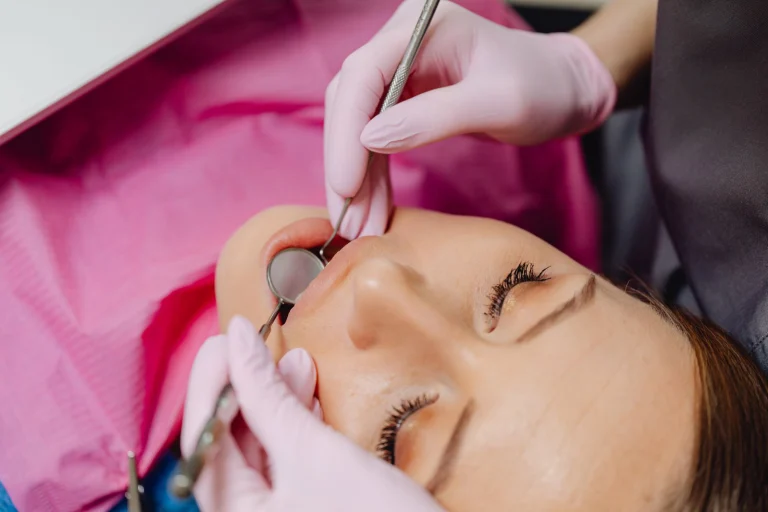
- Bring it to dental checkups so the fit and condition can be checked.
A sports guard is not a night guard
Mouthguards for sports protect against sudden impacts. Night guards are different: they protect teeth from grinding and clenching, which wear enamel away and introduce small cracks. If your child’s teeth look worn or your child complains of a sore jaw in the morning, mention it at the next visit. The practice makes comfortable, clear bite guards custom-made for patients who grind. See TMJ and grinding.
If a tooth is chipped or knocked out
Facial trauma, including a knocked-out tooth, is one of the most common dental emergencies. What to do:
- A knocked-out tooth: put the tooth in milk and call the office, or any dentist, immediately. Time is of the essence, because a knocked-out tooth can be saved if it is seen quickly enough. Knocked-out teeth can be treated for patients of any age, and cuts from the injury can be stitched.
- A broken piece: if only part of the tooth broke off, it probably can’t be reattached, but bring it with you.
- A loose or pushed-in tooth, or a cut lip: call right away and describe what happened, so the team can tell you how soon your child needs to be seen.
Dr. Haywood is available anytime for true dental emergencies for existing patients and their friends and families. New patients with emergency needs are seen on weekdays during normal business hours, based on availability, so call early in the day. See emergency dental care.
Repairing a chipped tooth
Many chips can be repaired with dental bonding, tooth-colored composite resin applied directly to the tooth, usually in a single visit. More extensive damage may need a porcelain crown. Dr. Haywood will explain the options that fit your child’s age and the injury.
Bringing your child to the Timonium office
Family dentistry is part of the practice. Children’s visits include checkups and cleanings, and super sealants protect the chewing surfaces of children’s teeth with a lifetime warranty. The practice avoids fluoride and offers calcium rebuilding treatments to help strengthen enamel for patients of all ages. If your child needs a filling, a comfortable micro-air filling process is used for people of all ages, and laughing gas is a safe form of sedation for patients of all ages. A parent or legal guardian must be present during the consultation of a patient under 18. For more on keeping kids’ teeth healthy, read how to prevent cavities in children and learn about general and family dentistry in Timonium.
Paying for your child’s care
The practice is out of network with all dental insurance providers. You pay at the time of your visit, and the office files the claim on your behalf so your plan can reimburse you for whatever it covers. Health savings and flex plans are welcome, and financing is available through CareCredit, with no-interest options for up to 12 months, and Cherry, with plans from 3 to 24 months. See financing options.
Frequently asked questions
Does my child need a mouthguard for basketball or soccer?
It is a good idea. Even in sports that aren’t thought of as contact sports, elbows, balls and falls cause mouth injuries. If there is a real chance of a hit to the face, a guard is worth wearing.
Are boil-and-bite mouthguards good enough?
They can work when they are molded carefully and still fit well. The most important thing is a guard your child will wear. If a boil-and-bite guard is loose, bulky or chewed through, ask about other options at your child’s checkup.
How often should a child’s mouthguard be replaced?
Check it every season, and replace it when it is worn or torn, when it no longer fits, or when your child’s teeth change, such as new teeth coming in or starting braces.
Can a knocked-out tooth be saved?
Sometimes, if it is seen quickly. Put the tooth in milk and call a dentist immediately. Knocked-out teeth can be treated for patients of any age.
Protect your child’s smile in Timonium
Before the next season starts, book a checkup and ask about mouth protection for your child’s sport. Request an appointment or call (410) 453-9399. The office of Dr. Steven W. Haywood, DDS is at 108 W Timonium Rd, Ste 200, Timonium, MD 21093, serving families from Timonium, Lutherville, Cockeysville, Towson and Hunt Valley.
Ready to see your future smile?
New sports season coming up? Book your child's checkup in Timonium and ask about mouth protection.