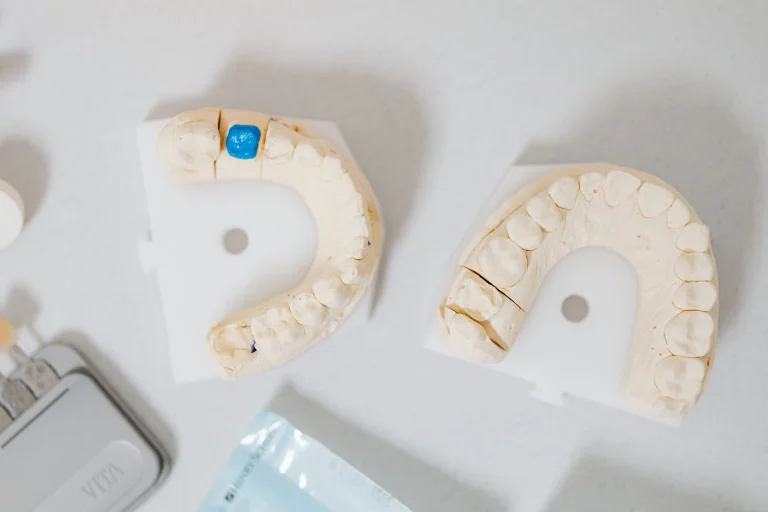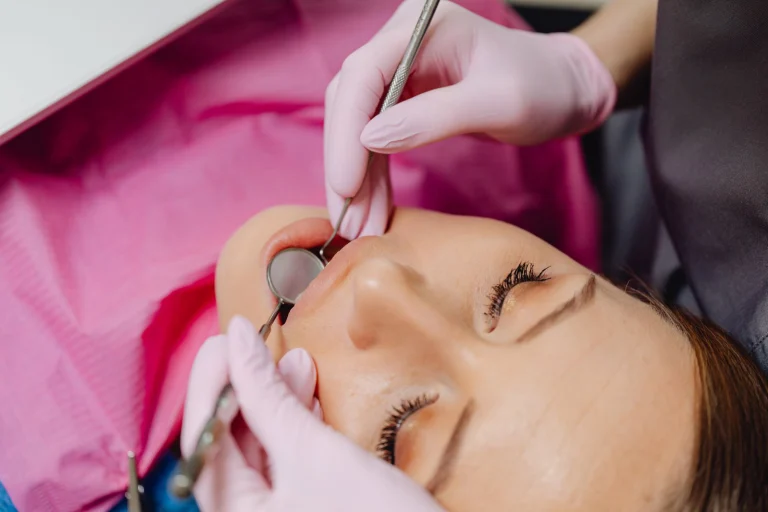
You don’t have to ban sweets to protect your child’s teeth. The changes that matter most are how often sugar reaches the teeth and how long it stays there. Start with drinks, since juice, flavored milk and sports drinks sipped through the day are an easy source of sugar. Keep treats with meals instead of spread across the afternoon, swap a few sticky snacks for tooth-friendlier ones, and teach kids to spot sugar on a label. Small, steady changes like these are easier to keep up than strict rules, and they cut down on arguments at the snack cupboard.
This guide from the Timonium office of Dr. Steven W. Haywood, DDS gives parents a practical plan for limiting sugar at home, at school and at parties, along with the protection the practice offers for children’s teeth.
Why how often matters more than how much
Every time a child eats or drinks something sugary, plaque bacteria turn that sugar into acid, and the acid softens enamel for a while afterward. Saliva then neutralizes the acid and helps the enamel recover. When sugar arrives again and again, through a juice box sipped all morning, a bag of fruit snacks nibbled through recess or a lollipop that lasts an hour, the teeth never get that recovery time.
That means a dessert eaten with dinner is usually easier on teeth than the same amount of sugar grazed over several hours. It is a much friendlier message for kids too: sweets aren’t forbidden, they just have a time and a place. Read have your dessert: a dentist’s guide to sweets.
Start with drinks
Drinks are often the easiest place to make a big difference, because liquid sugar reaches every tooth and is so easy to sip slowly.
- Make water the everyday drink. A favorite water bottle can help younger kids buy in.
- Serve plain milk with meals instead of flavored milk.
- Treat juice as part of a meal, not something to carry around, and consider whole fruit instead.
- Save sports drinks for when they are truly needed, not for an ordinary practice.
- Keep soda for occasional treats. Read soda spells double trouble for teeth and gums.
- Only water at bedtime once teeth are brushed. For babies and toddlers, read infant and toddler teeth Q&A.
Easy swaps through the day
Breakfast
Many breakfast cereals, flavored yogurts, cereal bars and pastries carry plenty of added sugar. Try plain yogurt with fresh fruit, eggs, whole grain toast or unsweetened cereal with sliced banana. Let kids add their own fruit so they still get to choose.
The lunchbox
Fruit snacks, juice pouches and sweetened yogurt tubes are lunchbox staples that are easy to replace. Pack whole fruit, cheese, vegetables with a dip, nuts or seeds where the school allows them, and a water bottle.
After school and after practice
This is when grazing tends to happen. Set a snack time rather than an open cupboard, and offer choices such as cheese and crackers, vegetables, a piece of fruit or a plain yogurt. Granola bars and “healthy” snack bars can be surprisingly sweet, so check the label.
Sticky snacks
Dried fruit, fruit leather, gummies and caramel cling to the grooves of back teeth long after the snack is gone. When your child has them, pair them with a meal and a drink of water. Read why gummy bears hurt your teeth.
Parties, holidays and Halloween
- Pick a treat time. Let kids enjoy some candy right after a meal, then put the rest away.
- Choose chocolate over sticky or sour candy when there is a choice. Plain chocolate rinses away more easily than chewy candy, and sour candy adds acid.
- Skip the all-day candy. Lollipops and hard candies that last a long time keep sugar on teeth.
- Follow with water, and brush at the usual time.
- Offer a trade. Some families let kids swap extra candy for a small toy, an outing or screen time.
Teach kids to spot sugar
Older children often enjoy playing detective with food labels. Show them the sugar line on the Nutrition Facts panel and explain that four grams of sugar is about one teaspoon. Have them divide the grams by four and count out teaspoons of sugar next to the package, which tends to make the point better than any lecture. Then look for sugar’s other names in the ingredients, like corn syrup, dextrose and fruit juice concentrate. Read hidden sugar: how to read food labels for your teeth.
Make it a family habit, not a battle
- Change the house, not just the child. Keep fewer sweets in the pantry and more ready-to-grab healthy snacks at eye level.
- Model it. Kids notice what adults drink and snack on.
- Avoid using candy as a reward for good behavior or finishing dinner, so sweets don’t become a prize to fight over.
- Keep the routine. Brushing twice a day, with a parent’s help for younger children, and cleaning between teeth once they touch.
- Praise progress. A week of water at lunch is worth celebrating.
Protection from the dentist
Even with a good diet, children’s teeth benefit from professional protection. Family dentistry is part of the practice, and every one of these services is available in the Timonium office.
Super sealants
Super sealants seal the chewing surfaces and all the pits and fissures of children’s teeth, so bacterial byproducts and simple sugars can’t be harbored there. The process is simple and painless, and the practice offers a lifetime warranty.
Strengthening enamel without fluoride
Fluoride treatments are widely used in dentistry. For anyone who prefers to avoid fluoride, the practice offers calcium rebuilding treatments instead, to help strengthen enamel for patients of all ages. Xylitol mints and lollipops, which the practice also offers, help reduce decay risk and make a better treat than sugary candy. If you have questions about fluoride for your child, talk them through with Dr. Haywood and your child’s pediatrician.
Finding decay early, and gentle fillings
Digital X-rays use less radiation than standard dental X-rays, and DIAGNOdent laser detection can find decay at its earliest stages. If a cavity is found, the practice uses tooth-colored, mercury-free fillings, and a gentle filling process provided by micro-air technology is available for people of all ages. Laughing gas is safe for patients of all ages.
A parent or legal guardian must be present during the consultation of a patient under 18. Read how to prevent cavities in children and are childhood cavities inevitable? See general dentistry in Timonium.
Paying for your child’s care
The practice is out of network with all dental insurance providers. You pay at the time of your visit, and the office files the claim on your behalf so your plan can reimburse you for whatever it covers. Health savings and flex plans are welcome, and financing is available through CareCredit, with no-interest options for up to 12 months, and Cherry, with plans from 3 to 24 months. See financing options.
Frequently asked questions
Is fruit juice bad for kids’ teeth?
Juice carries a lot of sugar and is often sipped slowly, which is hard on teeth. Whole fruit is a better choice, and juice is best kept to mealtimes.
When is the best time for kids to have sweets?
With or right after a meal, followed by a drink of water. That limits how often sugar reaches the teeth.
Are sugar-free snacks better for children’s teeth?
Often, but check for acid in sugar-free drinks and candies. Xylitol treats are a good option, and the practice offers xylitol mints and lollipops.
Can sealants protect my child from cavities caused by sugar?
Super sealants protect the grooves of the chewing surfaces, where decay often starts, but they don’t cover every surface. Diet and brushing still matter.
Protect your child’s smile in Timonium
A checkup is a good time to talk about snacks, drinks and the protection that suits your child’s teeth. Request an appointment or call (410) 453-9399. The office of Dr. Steven W. Haywood, DDS is at 108 W Timonium Rd, Ste 200, Timonium, MD 21093, serving families in Timonium, Lutherville, Cockeysville, Towson and Hunt Valley. New patients are always welcome.
Ready to see your future smile?
Book a checkup for your child in Timonium and ask about super sealants.