Few things age a smile as quickly as teeth that have turned yellow or gray, which is why teeth whitening is often called the ultimate anti-aging treatment for your smile. Whitening can make a real difference, but aging teeth change in more ways than color: enamel thins, edges wear, old dental work darkens and gums recede. Knowing which of those changes whitening can fix, and which it can’t, is the key to a smile that looks naturally younger rather than just whiter.
This guide from the Timonium office of Dr. Steven W. Haywood, DDS explains why teeth look older over time, what professional whitening can and can’t do for them, and the other treatments that often work alongside it.
Why teeth look older over time
Enamel wears thinner
Enamel, the outer layer of a tooth, is naturally translucent. Underneath it is dentin, which is yellower. As enamel slowly wears over the decades, more of that yellow dentin shows through, and teeth look darker even when they are perfectly clean.
Years of stains build up
Coffee, tea, red wine, cola, berries and tobacco all leave pigments behind. Enamel has tiny pores, and over many years those stains work their way in where a toothbrush can’t reach.
Edges wear, chip and flatten
Youthful front teeth tend to have gently rounded, slightly translucent edges. Grinding and clenching wear those edges flat and can introduce small cracks. The practice notes that uncontrolled grinding destroys comfort, health and appearance as we age.
Old dental work darkens or stops matching
Fillings, crowns and bonding that matched your teeth years ago may not match now. Metal fillings can discolor and age teeth, and a gray shadow around an old filling can make a tooth look darker than it is.
Gums recede
As gums pull back, more of the root shows. Roots are darker than enamel and aren’t covered by it, so a receding gum line can make teeth look longer, darker and older.
What teeth whitening can do for an aging smile
For stains in natural tooth enamel, whitening is usually the simplest and least invasive place to start. It removes years of built-up discoloration without drilling or covering the teeth, and for many people it takes a smile back toward how it looked years ago.
In-office laser power whitening
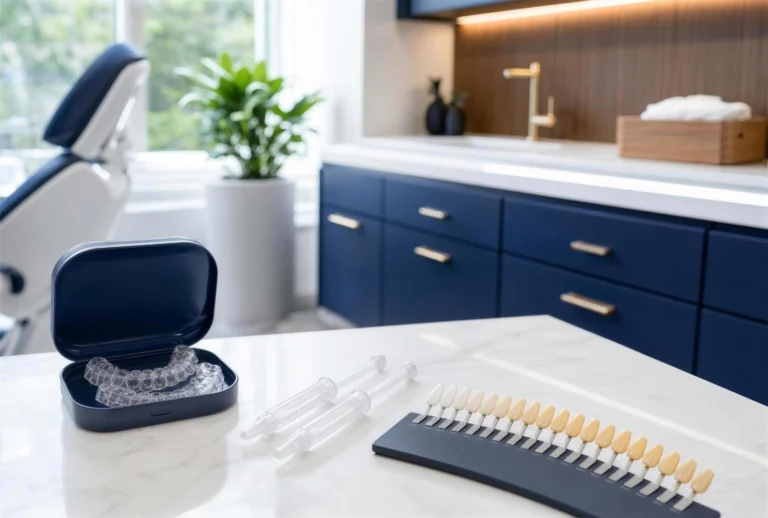
Dr. Haywood uses in-office laser power whitening. Treatment starts with a thirty-minute professional whitening treatment, and a laser is then applied for 1 to 2 hours. The laser activates the hydrogen peroxide in the whitening agent, significantly increasing how quickly and effectively it works, so it can dissolve stains, including the ones that like to hide. The practice describes laser power whitening as highly effective and completely safe, and every whitening plan is customized to your teeth and your goals. Learn more about laser whitening.
Why store-bought whiteners often disappoint
At-home whitening usually means committing two or three weeks, and the commercial whiteners that seem so promising often fail to deliver lasting results. For a comparison of the options, see teeth whitening in Timonium: what to expect.
What whitening can’t do
Whitening works on natural tooth structure. It has limits worth knowing before you start:
- It doesn’t change dental work. Crowns, veneers, bonding and tooth-colored fillings keep their original shade, so after whitening they may look darker than the teeth around them. See teeth whitening with crowns, veneers or bonding.
- Very dark teeth may not respond fully. If your teeth are very dark, Dr. Haywood can counsel you and explain your options before you begin.
- It doesn’t rebuild worn or chipped edges, close gaps or straighten teeth.
- It doesn’t cover exposed roots from receding gums.
If a single tooth has turned darker than its neighbors, have it examined before whitening; a tooth that changes color on its own can have a cause that needs attention. See tooth discoloration in a single tooth. For more on deep stains, read whitening vs bleaching for tooth discoloration.
Anti-aging smile treatments that work with whitening
Dental bonding for chips and worn edges
Bonding applies tooth-colored composite resin to repair chips, fractures and discoloration, even out a smile and change the shape of teeth. It can be completed in a single visit, typically without anesthesia, and is one of the most affordable cosmetic procedures. See dental bonding.
Porcelain veneers for a bigger change
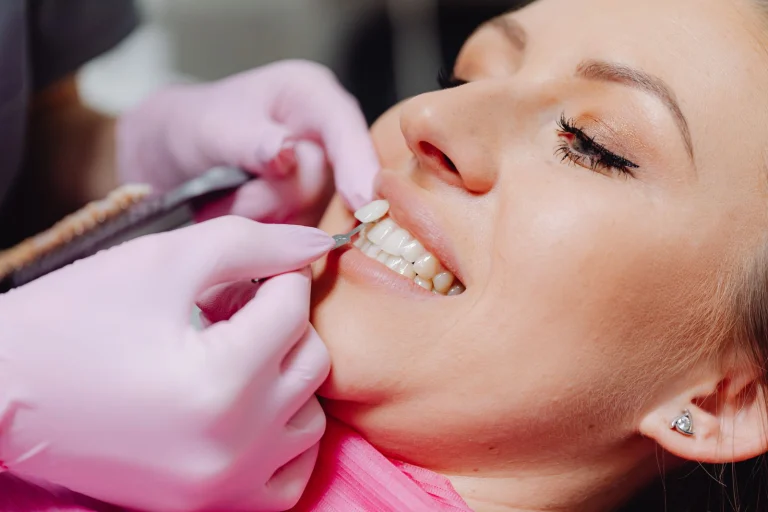
Veneers are thin, translucent shells bonded to the front of the teeth that can improve discoloration, chips, gaps and crooked teeth together. Options at the practice include DURAthin, Lumineers, conventional porcelain and composite veneers, and you test drive a set before the final veneers are made. Dr. Haywood insists on a natural, never-fake look. Porcelain also resists stains better than natural teeth or composite. See porcelain veneers.
Replacing dark old fillings
Old metal fillings can be removed under rigorous safety protocols designed to minimize mercury vapor exposure and replaced with tooth-colored composite matched to your teeth. For larger areas, bonded inlays and onlays conserve more healthy tooth than a traditional crown.
Rebuilding teeth worn down by grinding
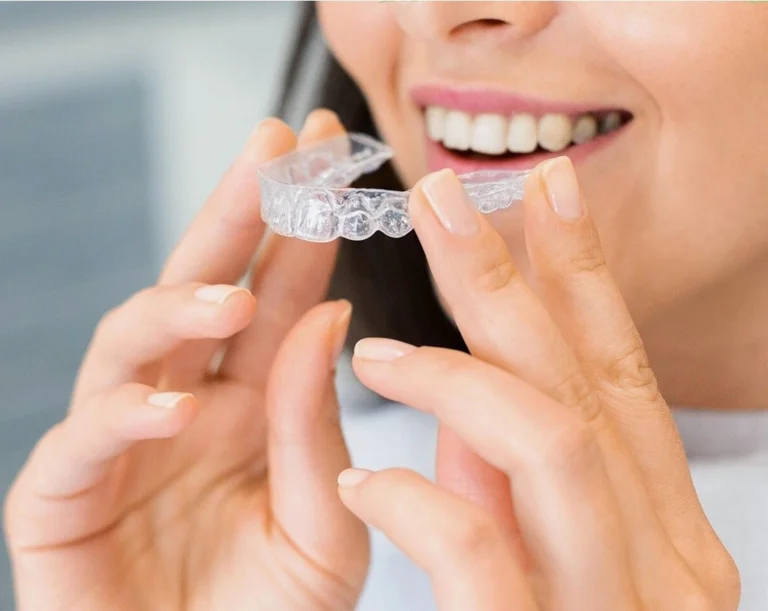
When grinding has worn teeth down, worn and broken teeth can be rebuilt with crowns once the bite is set in the right position, and a custom clear bite guard helps protect the result.
Replacing missing teeth
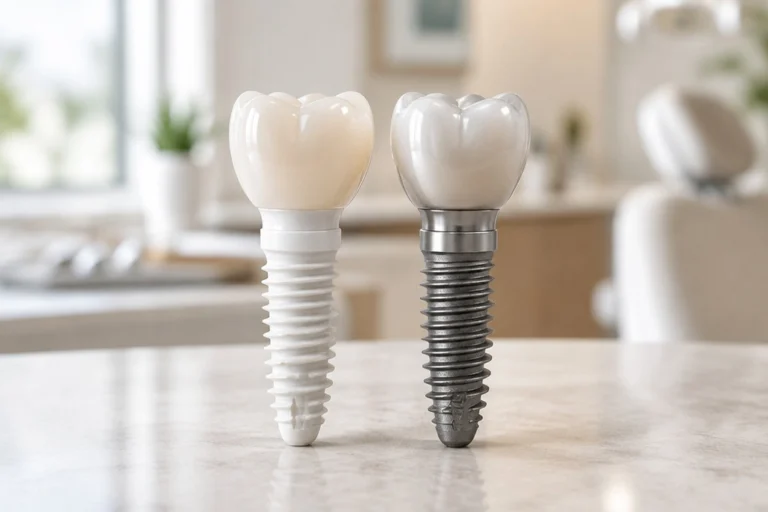
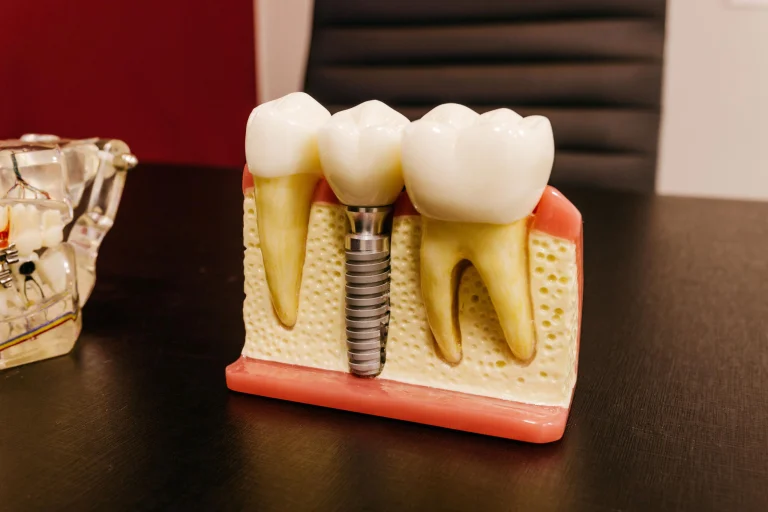
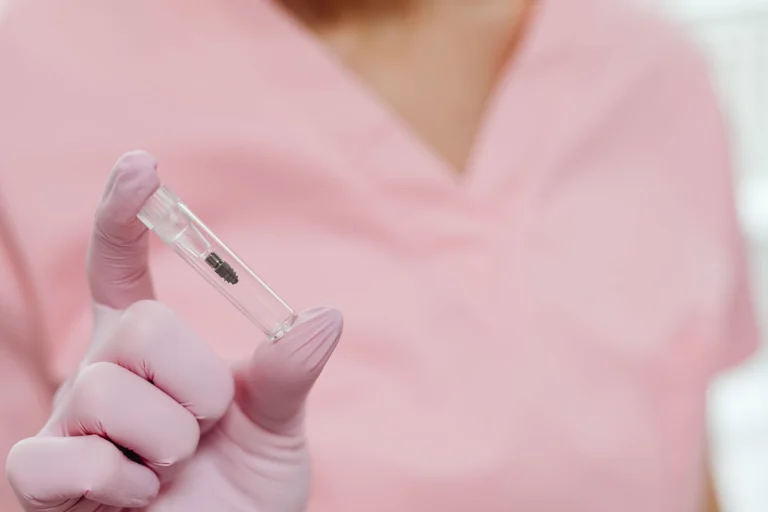
Missing teeth can make the face look older over time. Read can dental implants help you look younger?
Preview it first
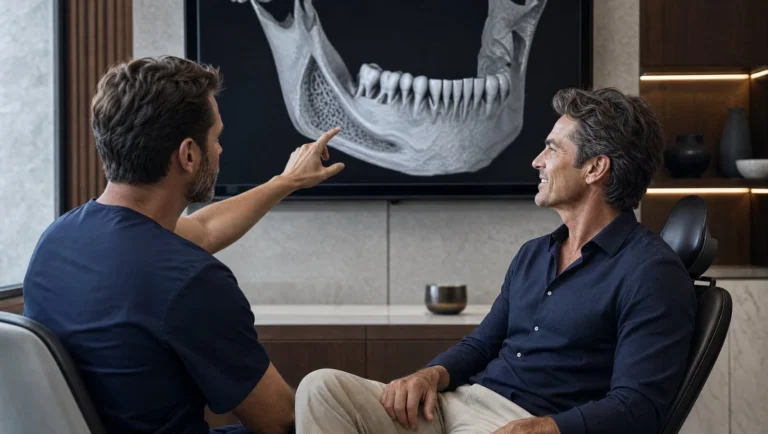
Cosmetic imaging is part of every cosmetic evaluation at the practice. Digital photos of your smile are changed on the imaging computer so you can see potential results and plan the changes together before you commit. See cosmetic imaging.
A sensible order for a younger-looking smile
- Exam and cleaning. Healthy teeth and gums come first, and a thorough 60-minute cleaning removes surface buildup so you see your true shade.
- Whitening. Brighten your natural teeth to the shade you want.
- Match the dental work to your new shade. Bonding, veneers or crowns are then made to match the whiter teeth, rather than the other way around.
- Protect the result. Bite protection is suggested for all cosmetic treatment.
Keeping your smile looking younger
- Minimize staining foods and drinks, and rinse with water after coffee, tea or red wine.
- Whiten routinely. The practice advises whitening your teeth routinely as part of caring for any cosmetic result.
- Wear your bite guard if you grind, to protect edges and dental work from wear.
- Brush gently to protect enamel and gums. See smart brushing beats aggressive brushing.
- Keep up professional cleanings every six months, and ask how your shade is holding up.
Teeth whitening near Lutherville and Timonium
The office is in Timonium Green at 108 W Timonium Rd, Ste 200, a short drive from Lutherville, Cockeysville and Towson, with a parking lot off Greenspring Dr. From York Rd, turn onto Timonium Rd, then right onto Greenspring Dr, and take the very first left into the parking lot. Office hours are Monday 8:30 AM–6:30 PM, Tuesday 8:30 AM–5:00 PM, Wednesday 8:30 AM–3:30 PM, Thursday 8:30 AM–4:30 PM and Friday 8:30 AM–4:00 PM.
Paying for cosmetic treatment
The practice is out of network with all dental insurance companies. You pay at the time of your visit, and the office files the claim on your behalf so your plan can reimburse you for anything it covers. Health savings and flex plans are welcome. Financing is available through CareCredit, with no-interest options for up to 12 months, and Cherry, with payment plans from 3 to 24 months. See financing options.
Frequently asked questions
Can teeth whitening make you look younger?
For many people, brighter teeth make a smile look fresher and younger. Whitening works best on natural teeth with stains; worn edges, dark dental work and receding gums may need other treatments too.
Is it too late to whiten teeth as an older adult?
Age alone doesn’t rule it out. What matters is the health of your teeth and gums and the kind of discoloration you have, which a consultation shows.
Will whitening change my crowns or veneers?
No. Whitening doesn’t change the color of dental work, so it may need to be replaced to match your new shade.
How long does in-office whitening take?
A thirty-minute in-office treatment is followed by laser activation for 1 to 2 hours.
What if my teeth are very dark?
Dr. Haywood can explain your options before you start. If whitening alone isn’t the right fit, porcelain veneers and dental bonding can also correct discolored teeth.
Take years off your smile in Timonium
If your teeth look older than you feel, start with a consultation to find out what whitening and other treatments could do. Request an appointment or call (410) 453-9399. The office of Dr. Steven W. Haywood, DDS is at 108 W Timonium Rd, Ste 200, Timonium, MD 21093. Learn more about teeth whitening in Timonium or visit the blog.
Ready to see your future smile?
Find out what whitening could do for your smile at a Timonium consultation.