Researchers have been studying whether gum disease, and the bacteria behind it, might play a part in Alzheimer’s disease. It is an active and interesting question, but it is not settled. A connection between poor gum health and Alzheimer’s has been observed, yet gum disease has not been shown to cause Alzheimer’s, and treating your gums is not a proven way to prevent dementia.
What is not in question is that gum disease is a real infection, worth treating for its own sake, and that a healthy mouth matters even more for people living with memory loss. This article explains what researchers are looking at, how gum disease is diagnosed and treated at the Timonium office of Dr. Steven W. Haywood, DDS, and how families can help a loved one with memory loss keep a healthy mouth.
What researchers are looking at
Scientists are exploring two related ideas about how the mouth and the brain might be connected.
Bacteria from the gums
Periodontal disease is driven by bacteria that live beneath the gumline. One of the best known is Porphyromonas gingivalis, a bacterium strongly associated with gum disease. Researchers have looked for these bacteria, and the substances they release, in brain tissue, and are investigating whether they could contribute to the changes seen in Alzheimer’s disease.
Long-term inflammation
Gum disease is a chronic infection, and the body responds to infection with inflammation. Another line of research asks whether years of inflammation that starts in the mouth could affect health elsewhere in the body, including the brain.
What this does and doesn’t mean
- A link is not the same as a cause. People with memory loss often find it harder to brush and floss well, so memory problems can lead to worse gum health, not only the other way around.
- No one can promise prevention. Treating gum disease has not been shown to prevent or slow Alzheimer’s disease.
- The research is still developing. Expect to see new findings, and treat headlines with care.
If you are worried about memory loss, talk with your physician. Your dentist’s job is to find and treat infection in your mouth.
Why gum disease is worth treating regardless
You don’t need the Alzheimer’s question answered to take gum disease seriously. Periodontal disease is the leading cause of tooth loss in adults, and it worsens as it progresses through its stages. The health of your gums has also been linked to serious health risks such as diabetes and cardiac disease. At your visit, ask about the “oral systemic connection,” the link between the health of your mouth and the rest of your body.
Gum infection that is caught early and treated as a serious infection can be managed and controlled, and treatment can even reverse the early stages. It is never completely cured, which is why ongoing maintenance matters. For more on who is most at risk, read gum disease risk factors.
Signs of gum disease to watch for
- Sore, swollen or bleeding gums
- Bad breath that doesn’t go away
- Gums that are receding, so teeth look slightly longer
- Pus around the gumline
- Painful chewing or tooth sensitivity
On their own, these symptoms don’t necessarily mean gum disease, but they are a good reason to have your gums checked. Gum disease can also develop without obvious symptoms. See five warning signs of gum disease.
How gum disease is diagnosed and treated in Timonium
Finding out which bacteria are present
Oral DNA testing identifies which of the 11 most suspected periodontal pathogens are present in your mouth. Knowing exactly what is there helps the practice diagnose gum disease and create more personalized, more accurate treatment. It is one of the most direct ways to learn whether bacteria such as those researchers are studying are part of your own gum infection. Read how periodontal disease is diagnosed.
Non-surgical care, led by experienced hygienists
The practice’s experienced hygienists take the lead in identifying, explaining, treating and monitoring gum disease, from small, isolated areas to the most severe cases. When you are diagnosed, Dr. Haywood meets with you to develop your individual treatment plan. Ninety-eight percent of the practice’s periodontal therapy is non-surgical and comfortable.
Treatments that clear infection
- Scaling and root planing, a deep cleaning that removes harmful bacteria from beneath the gums
- Laser and ozone therapy, which clear bacteria and infection from the gums without chemicals, and the Picasso laser for precise, comfortable soft tissue care
- Site-specific antibiotics such as Arestin or Atridox, and other therapies including ultrasonic irrigation and nutritional therapies, depending on your needs
- Periodontal maintenance to keep treated gum disease under control
The practice holds very high standards for gum health and strives for zero bleeding and zero infection. Learn more about gum disease treatment.
Oral care for a loved one with memory loss
As memory loss progresses, brushing and flossing can become confusing or forgotten, and a person may not be able to explain that something hurts. A few general tips can help families and caregivers:
- Keep a routine. Brush at the same times each day, in the same place, so the habit is familiar.
- Show, then help. Brushing alongside a loved one, or guiding their hand, can work better than instructions.
- Use a soft-bristled brush and gentle strokes, and clean between the teeth daily if it can be done comfortably. A water flosser can be easier for some people.
- Look for signs of pain, such as refusing food, pulling at the face, new irritability at mealtimes, or sore spots in the mouth.
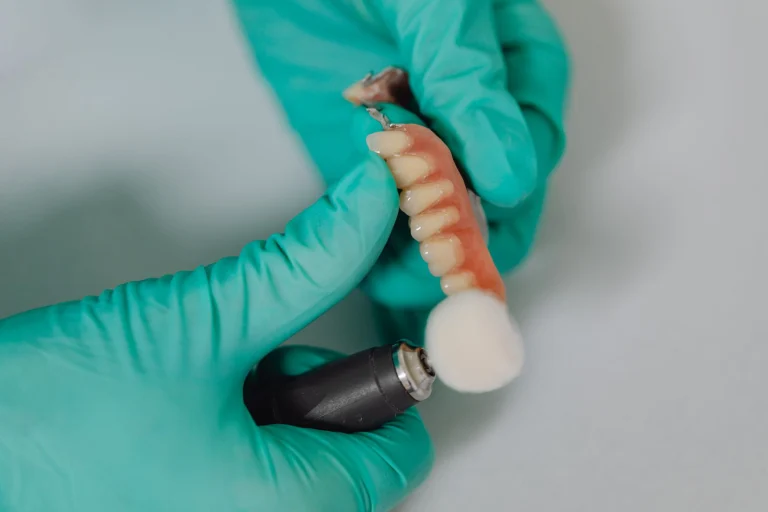
- Check dentures daily for a loose fit or sore spots, and clean them every day.
- Watch for dry mouth. Many medications reduce saliva, and dry mouth raises the risk of decay. Read why dry mouth is a problem.
- Keep up with dental visits. Regular checkups are easier to manage earlier on, and they catch problems before they become painful.
Preparing for a dental visit
Bring a list of medical conditions and medications, including aspirin, blood thinners and heart medications, since the practice needs to know about them before treatment. If dental visits are stressful, tell the team: understanding fears helps plan how to overcome them. The spa-like office offers paraffin wax hand treatments and aromatherapy, laughing gas is complimentary, and appointments are scheduled with room to breathe, so no one is rushed. See comfortable dental care for anxious patients.
Protecting your gums at home
- Brush twice a day and clean between your teeth every day.
- Keep up with professional cleanings, recommended every six months. Cleaning appointments here last a full 60 minutes.
- Don’t ignore bleeding gums. Read bleeding gums after a cleaning.
- If you smoke or vape, it is worth quitting for your gums. See how smoking and vaping affect your gums.
Paying for gum care
The practice is out of network with all dental insurance companies. You pay at the time of your visit, and the office files the claim on your behalf so your plan can reimburse you for what it covers. Health savings and flex plans are welcome, and financing is available through CareCredit, with no-interest options for up to 12 months, and Cherry, with payment plans from 3 to 24 months. See financing options.
Frequently asked questions
Does gum disease cause Alzheimer’s disease?
That has not been shown. Researchers have observed a connection and are studying whether gum bacteria or inflammation could play a part, but a link is not proof of cause.
Can treating gum disease prevent dementia?
No one can promise that. Treating gum disease protects your teeth and gums, and gum health has been linked to other serious health risks, which makes it worth doing for its own sake.
What is oral DNA testing?
A test that identifies which of the 11 most suspected periodontal pathogens are present in your mouth, so gum disease can be diagnosed and treated more accurately.
How often should someone with memory loss see the dentist?
A professional cleaning and checkup every six months is the usual recommendation. Your dentist may suggest a different schedule based on gum health, dry mouth or how well daily brushing is going.
Protect your gums in Timonium
Whether you want to check your own gum health or help a family member keep up with care, start with an exam. Request an appointment or call (410) 453-9399. The office of Dr. Steven W. Haywood, DDS is at 108 W Timonium Rd, Ste 200, Timonium, MD 21093, serving Timonium, Towson, Lutherville and Cockeysville. For more on the mouth-body connection, read healthy teeth and body, or browse the blog.
Ready to see your future smile?
Check your gum health, or help a loved one keep up with care, at Dr. Haywood's Timonium office.