Good oral hygiene is not one big effort before a dental appointment. It is a handful of small habits spread across your day: how you brush in the morning, what you sip and snack on at work, and what you do before bed. Get those right and plaque has fewer chances to build up, your gums stay calmer and your smile stays brighter between cleanings.
These tooth tips from the Timonium office of Dr. Steven W. Haywood, DDS are organized by time of day, so you can see where each habit fits. For anyone who prefers to avoid fluoride, the advice focuses on technique, diet and fluoride-free protection.
Morning dental care tips
Brush thoroughly, but gently
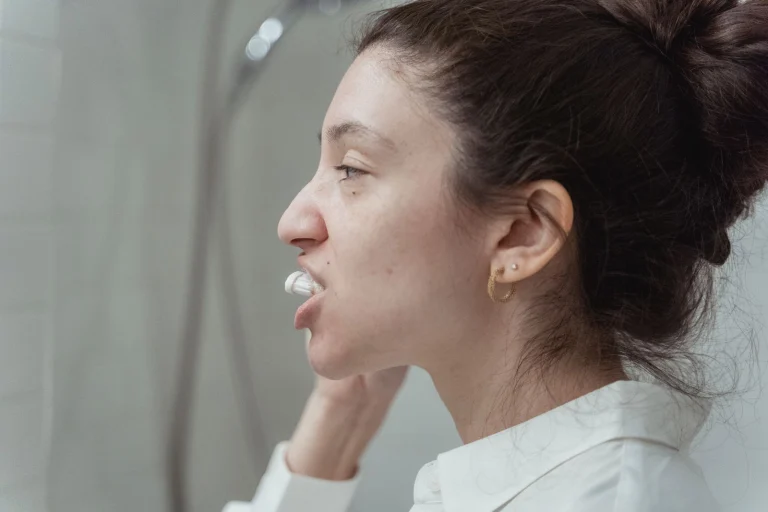
Use a soft-bristled brush and small, gentle strokes, angling the bristles toward the gumline where plaque collects. Take your time and reach every surface, including the backs of your teeth and the last molars. Scrubbing hard does not clean better, and it can wear enamel and irritate gums. Read why smart brushing beats aggressive brushing.
Don’t forget your tongue
The surface of your tongue gives bacteria plenty of places to settle, which can contribute to bad breath. Brush it gently or use a tongue scraper as part of your morning routine.
Be thoughtful after an acidic breakfast
Citrus juice, fruit and coffee are acidic, and acid softens enamel for a while. Rinsing with water after an acidic breakfast helps, and brushing a little later rather than immediately is gentler on softened enamel. For more, see acidic foods and your tooth enamel.
Daytime oral hygiene tips
Keep water close
Saliva is your mouth’s natural rinse. It washes food off tooth surfaces and helps neutralize the acid plaque produces. Sipping water through the day supports that, especially if you drink coffee or talk for a living. Chronic dry mouth raises the risk of decay, and many common medications can cause it. If your mouth often feels dry, read why dry mouth is dangerous for your teeth.
Eat carbohydrates with meals instead of grazing
Every time you snack on something sugary or starchy, bacteria in plaque produce acid. Frequent snacking keeps that going all day. Having carbohydrates with a meal, when you produce more saliva, is easier on your teeth than nibbling on them between meals. Sticky sweets are the hardest on teeth; see why gummy bears hurt your teeth.
Reach for xylitol when you can’t brush
If brushing after lunch isn’t practical, xylitol mints or gum are a helpful stand-in. The practice recommends xylitol mints and lollipops to help reduce decay risk.
Rinse after coffee, tea and red wine
Dark drinks stain teeth over time, and tooth-colored composite bonding can stain as well. Brushing or at least rinsing well with water after cola, coffee, tea or red wine helps keep your shade bright.
Use tools, not teeth
Opening packages, tearing tape or cracking open bottles with your teeth is a common way to chip enamel or damage dental work. Keep scissors handy instead.
Evening and bedtime tips
Clean between your teeth every day
A toothbrush can’t reach the tight spaces between teeth, which is where a lot of plaque and decay starts. Floss once a day, sliding it gently below the gumline around each tooth. Some people floss before brushing and some after; doing it thoroughly matters more than the order. If string floss is a struggle, a water flosser can help. Try the five-finger flossing method or read why a water flosser might be a good idea.
Make brushing the last thing you do
Saliva flow slows while you sleep, so food left on your teeth overnight has hours to feed bacteria. Brush before bed, and after that, stick to water.
Wear your bite guard if you grind
Grinding and clenching often happen at night without you noticing. Uncontrolled grinding destroys comfort, health and appearance as we age, and it can wear enamel and crack teeth. The practice makes comfortable, clear bite guards custom-fitted for you. Waking up with a sore jaw, headaches or flattened tooth edges is worth mentioning at your next visit.
Dental care tips for special situations
If you have diabetes
Gum health has been linked to diabetes, and unhealthy blood sugar levels can make gum problems harder to manage. Keep up with cleanings, watch for bleeding or tender gums, and tell the team about your condition and medications. See a dentist for diabetics in Timonium.
If you play sports
A mouthguard protects teeth from injury during contact sports and many other activities. A guard that fits properly is more comfortable, so it actually gets worn. Parents can read a guide to sports mouthguards for kids.
If you wear aligners
Invisalign aligners come out to eat, drink, brush and floss, so you can keep cleaning normally. Brush before you put them back in, so food isn’t trapped against your teeth.
If you have crowns, bridges or veneers
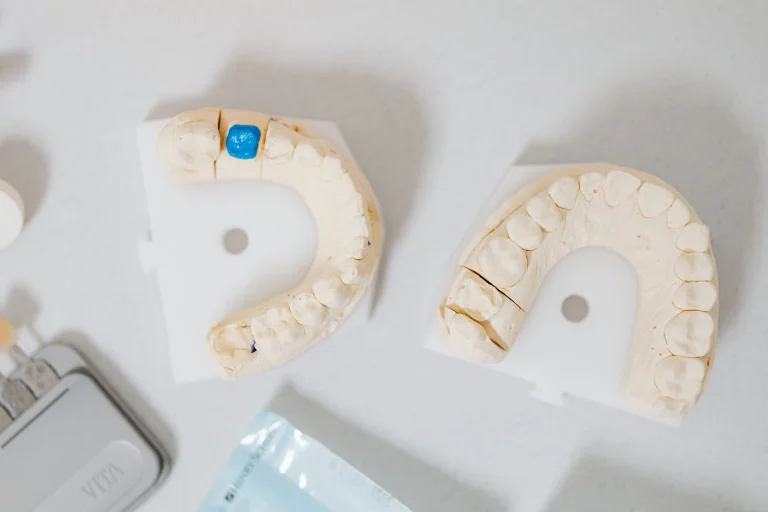
Dental work needs the same daily care as natural teeth. Brush and floss your bridge every day, using floss threaders or other aids to clean under the replacement tooth. Bite protection is recommended for cosmetic work, and porcelain resists stains better than composite, but the gums around it still need cleaning.
What about fluoride?
Fluoride is optional here: patients who prefer to avoid it can have calcium rebuilding treatments instead. Instead of fluoride treatments, non-fluoride calcium rebuilding treatments are offered to help strengthen enamel for patients of all ages. That matters because decay rates increase with age, and medications and dry mouth can set the stage for root decay. Super sealants are another fluoride-free option: they seal the chewing surfaces and the pits and fissures of adult and children’s teeth, so bacteria and sugars can’t settle there. Learn more about holistic dentistry at the practice.
Tips that need a dental visit
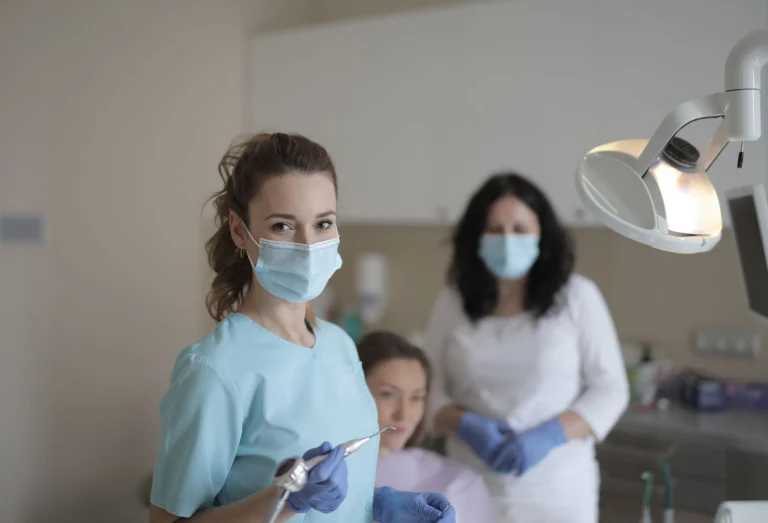
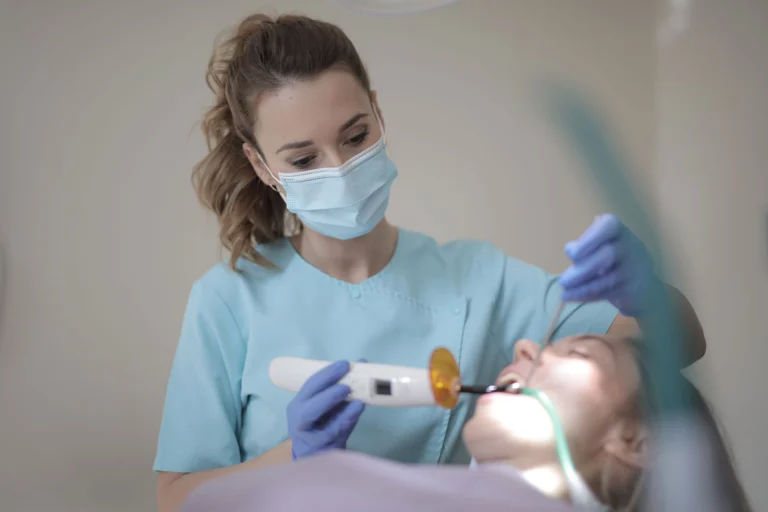
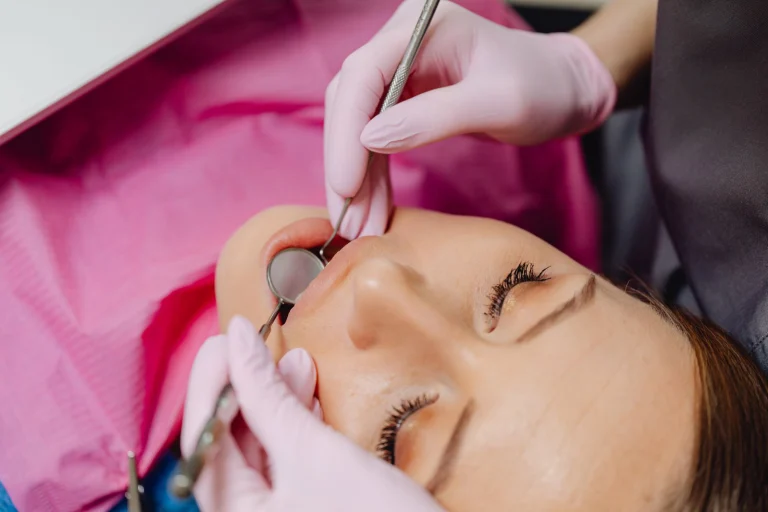
Even a perfect routine misses some plaque, and once plaque hardens into tartar, brushing can’t remove it. That is where your regular visit comes in.
- A professional cleaning every six months is recommended, and cleaning appointments at the practice are a full hour.
- Bleeding or receding gums, bad breath and deep pockets in the gums mean infection, which is managed with non-surgical care.
- DIAGNOdent laser detection helps find decay at its earliest stages, sometimes before it shows on an X-ray.
- An oral cancer screening is part of the regular check-up.
Read more about dental cleanings and preventive care in Timonium.
How daily habits support a better-looking smile
Oral hygiene is not only about avoiding cavities. Healthy gums are the foundation for any cosmetic treatment, and gum disease is treated before cosmetic work begins. Rinsing after dark drinks keeps stains from building, and a bite guard protects veneers and bonding from wear. If your routine is solid and you still want a brighter or more even smile, see what cosmetic dentistry in Timonium can do.
Frequently asked questions
How often should I replace my toothbrush?
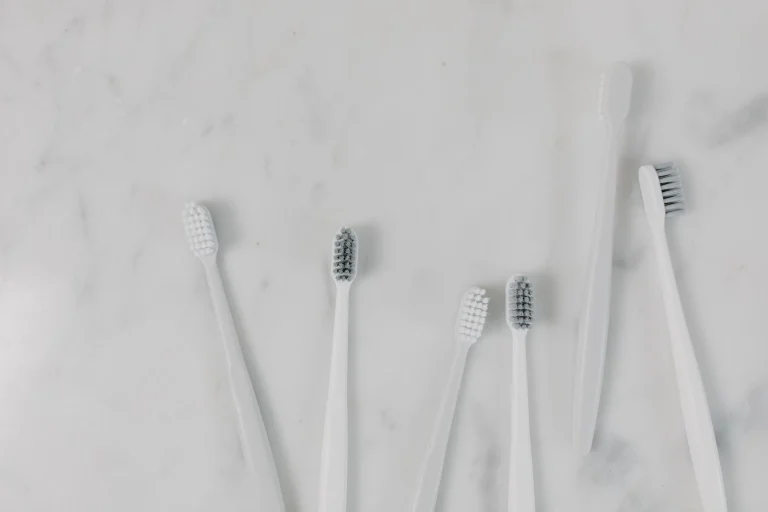
Replace it when the bristles start to fray or splay, since worn bristles clean poorly, and after you have been sick. Our guide how often should I replace my toothbrush? goes into more detail.
Is mouthwash a substitute for flossing?
No. Rinsing can freshen breath, but it can’t scrape plaque from between teeth the way floss or a water flosser can.
Should I brush right after every meal?
Brushing after meals is helpful, but after acidic foods or drinks it is gentler to rinse with water first and brush a little later. When brushing isn’t possible, water and xylitol help in the meantime.
Is an electric toothbrush better than a manual one?
Either can work well with good technique. An electric brush can make thorough, gentle brushing easier for some people. See is an electric toothbrush better than manual?
Put these tooth tips into practice
A good routine at home works best alongside regular professional care. Request an appointment or call (410) 453-9399 to book your cleaning and check-up, and bring any questions about your routine. The office of Dr. Steven W. Haywood, DDS is at 108 W Timonium Rd, Ste 200, Timonium, MD 21093, serving Timonium, Towson, Pikesville and Baltimore. Looking for tools to help? See products to help your oral health at home.
The practice is out of network with insurance companies: you pay at the time of your visit, and the office files the claim on your behalf so your plan can reimburse you. HSA and flex plans are welcome, and financing is available through CareCredit and Cherry.
Ready to see your future smile?
Pair your routine at home with a thorough cleaning in Timonium.